Inclusive Robotaxi Solutions for Accessibility Needs
Most robotaxi services are designed for average, tech-savvy users, overlooking the unique needs of elderly or disabled passengers. A startup could create an accessibility-focused software and hardware layer that integrates with existing robotaxi fleets. It would include voice-controlled booking, adjustable seating modules, robotic ramp deployment, and AI-driven in-vehicle assistance. For example, a senior could simply say, “Get me a ride to my clinic,” and the system would schedule an accessible robotaxi, automatically adjust the seat for easier entry, and guide them with friendly voice prompts—making autonomy truly inclusive.
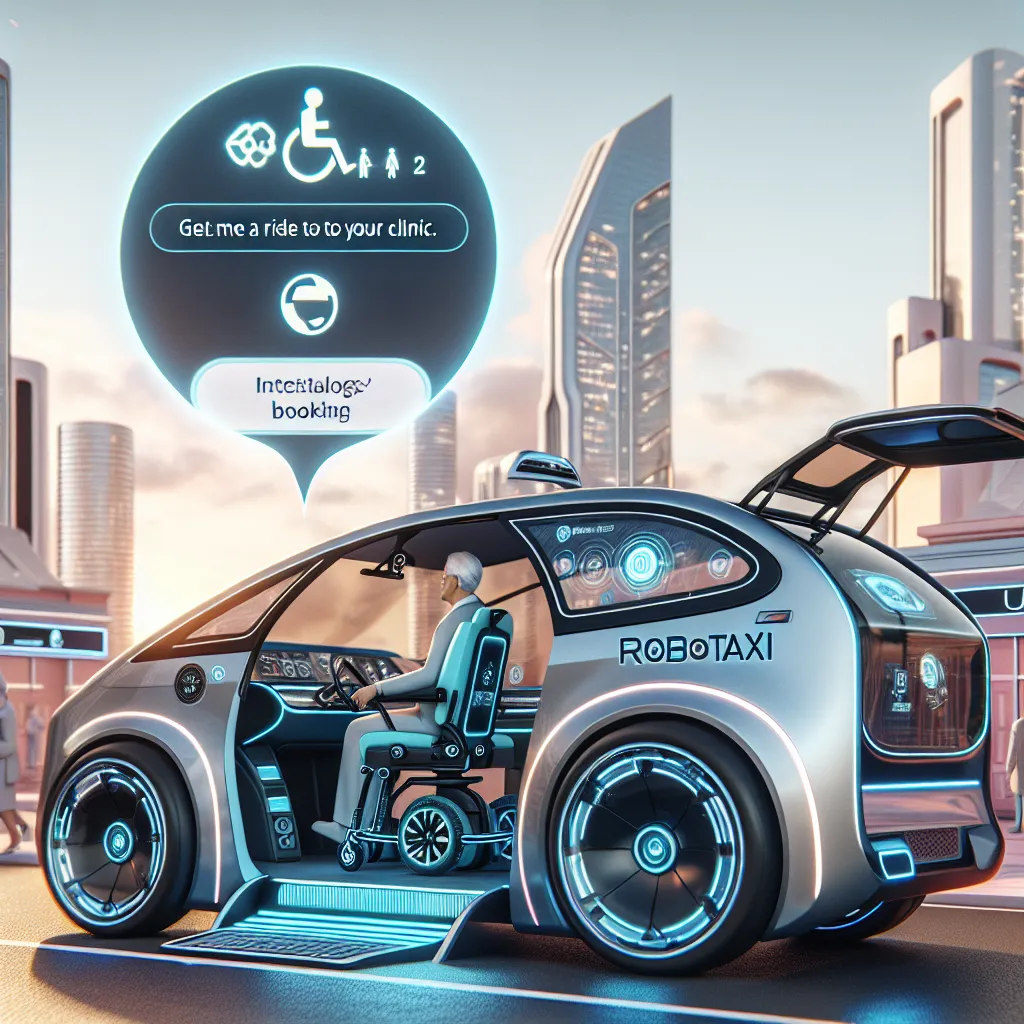
Description
No additional description provided.
The Pitch
As the world rapidly moves towards autonomous vehicles, a significant segment of society—elderly and disabled individuals—has often been overlooked by the mainstream design of robotaxi services. The current offerings primarily cater to tech-savvy users, leaving behind those who may face challenges with traditional interfaces and vehicle designs.
**Backstory** The journey towards autonomy in transportation has been fueled by the promise of safety, efficiency, and convenience. However, many elderly and disabled passengers still feel alienated due to the lack of accessibility-centered features. Traditional robotaxi services have primarily focused on tech-savvy, able-bodied passengers, resulting in a service gap for those who may find existing options difficult or intimidating to use.
**Problem** The core issue is the lack of accessibility features in current robotaxi offerings. Many systems rely on complex smartphone apps, standard seating, and manual vehicle entrance mechanisms. These pose significant barriers for those who may struggle with mobility or digital interfaces due to age or disability. The absence of tailored features leads to a decline in independence and quality of life for these individuals.
**Solution** The proposed solution is the development of a specialized layer of software and hardware that seamlessly integrates with existing robotaxi fleets. This includes:
1. **Voice-Controlled Booking:** An intuitive AI that allows users to verbally interact with the service, enabling them to book rides through simple voice commands.
2. **Adjustable Seating Modules:** Seats that automatically adjust for ease of entry and exit, accommodating various physical needs and comfort levels.
3. **Robotic Ramp Deployment:** Automated ramps or lifts that provide ease of access for wheelchair users and those with limited mobility.
4. **AI-Driven In-Vehicle Assistance:** A virtual assistant that provides journey updates and responds to questions, offering reassurance and constant communication throughout the trip.
**Product Details** The proposed product is an accessibility-enhanced software platform combined with adaptive hardware. It consists of:
- An AI-driven voice assistant integrated with the vehicle's booking and control system. - Modular seating systems that adapt to individual passenger requirements. - Embedded sensors and cameras to facilitate autonomous ramp deployment. - In-vehicle displays and speakers to provide interactive assistance and comfort.
**Tools for MVP Launch** To swiftly launch a Minimum Viable Product (MVP), the following tools and technologies can be utilized:
- **Voice Recognition SDKs** like Google’s Dialogflow or Amazon’s Alexa Skills Kit to build voice-controlled interfaces. - **AutoCAD and SolidWorks** for designing adaptive seating and ramp mechanics. - **IoT Platforms** such as Arduino or Raspberry Pi for prototyping hardware components. - **Deployment Platforms** like AWS or Azure for scalable cloud services to manage voice and booking systems.
**Go-To-Market (GTM) Strategy** 1. **Partner with Existing Robotaxi Services**: Collaborate with companies already deploying autonomous vehicles to integrate the accessibility layer into their offerings.
2. **Pilot Programs**: Begin with targeted pilot programs in cities known for a high population of elderly or disabled individuals to refine technology and processes.
3. **Strategic Alliances**: Form partnerships with hospitals, eldercare facilities, and disability advocacy groups to promote the service and gain critical user insights.
4. **Digital Campaigns**: Utilize online channels and social media to generate awareness and highlight success stories from early adopters.
**Business Model** The business model focuses on a subscription and licensing framework:
- **SaaS Licensing**: Offer the accessibility platform on a Software-as-a-Service basis to robotaxi companies.
- **Subscription Plans**: Provide various subscription plans for end-users, offering flexibility in service levels, from basic to premium assistance features.
- **Customer-Centric Extras**: Optional add-ons like dedicated support or regular experience personalization for a fee.
By capitalizing on the unique needs of an underserved market, this initiative promises to drive significant impact in the transportation landscape, bringing inclusive mobility to those who need it most.