Incentive-Based Health Insurance for Longevity Rewards
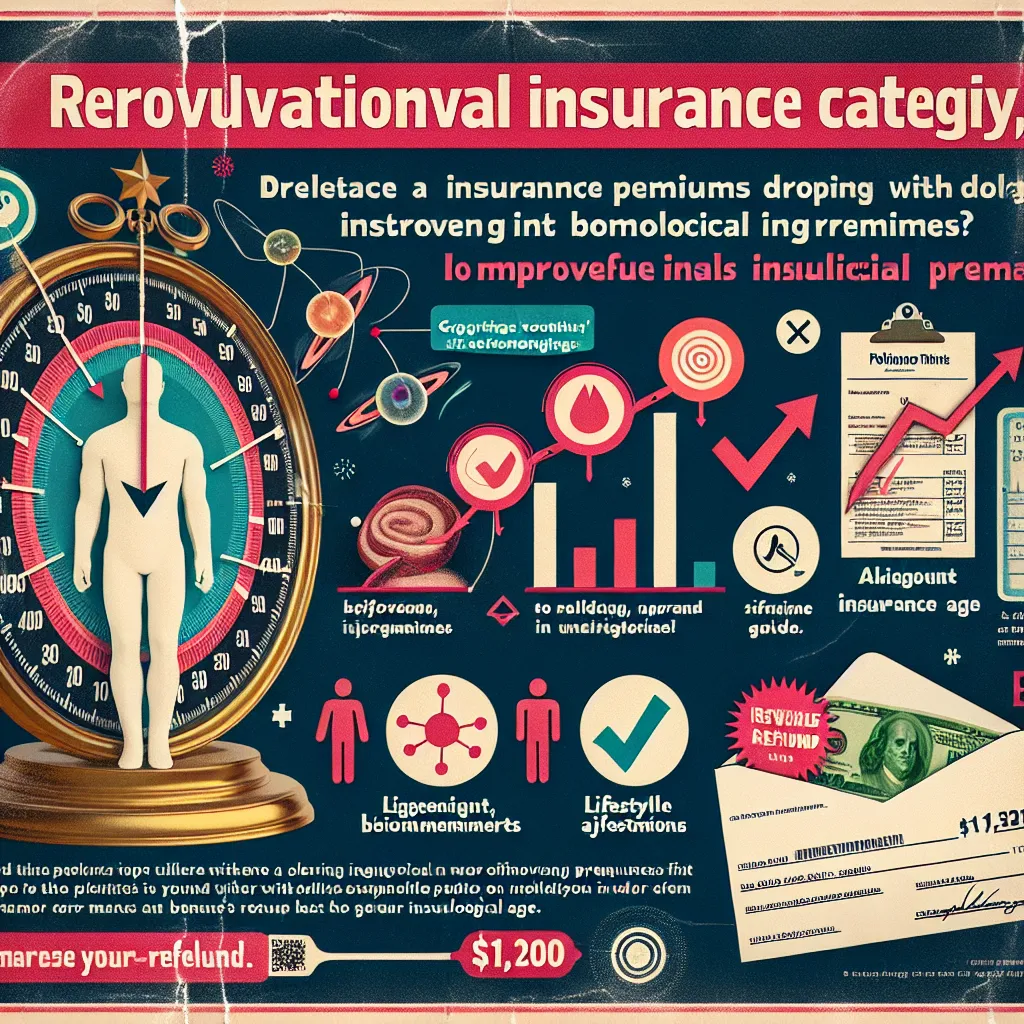
Current insurance pays after you get sick—too late. There’s no incentive to keep people biologically young. A new insurance category where premiums drop as your biological age improves flips the incentives. The solution is coverage tied to biomarkers, lifestyle, and aging risk factors, rewarding healthspan instead of illness. Why now: we finally have measurable aging markers and insurers are desperate to lower chronic disease costs. Example: a 44-year-old lowers her biological age markers and earns a $1,200 premium refund for staying below risk thresholds.
Description
No additional description provided.
The Pitch
With the rapid advancements in biotechnology and the availability of measurable aging markers, there's a growing opportunity to innovate traditional health insurance models. Current health insurance systems predominantly kick in after an individual falls sick, which leaves a significant gap in proactive health management. This scenario not only impacts individuals but also puts a financial strain on insurance companies managing chronic disease costs. The new approach is to shift insurance incentives towards preventive health and improved healthspan.
Backstory: For years, the field of preventive health has been evolving slowly but surely. While technological and scientific breakthroughs allow for the measurement and tracking of biological age and lifestyle biomarkers, insurance structures have remained largely unchanged. However, with increasing healthcare costs, insurers are seeking effective ways to mitigate their financial liabilities. Enter the opportunity to create a new kind of insurance coverage driven by biological age metrics.
Problem: Traditional insurance models are reactive, focusing on treatment after the onset of illness, which does little to reduce the incidence of chronic diseases or promote long-term health. The lack of incentives for staying healthy results in escalating premiums and medical expenses, pushing insurance companies and policyholders toward financial burdens. Additionally, people lack motivation to engage in proactive health management as current models do not reward them for maintaining or improving their health markers.
Solution: The proposed solution is an insurance model where premiums are dynamically adjusted based on individual health metrics like biological age, lifestyle choices, and risk factors associated with aging. This creates a positive feedback loop where policyholders are incentivized to improve their health and consequently benefit from reduced premiums. As individuals maintain or lower their biological age, they receive financial rewards such as premium refunds or discounts, enhancing both personal health outcomes and insurer cost efficiency.
Product Details: This insurance model uses data from regularly monitored biomarkers to determine a customer's biological age and their associated health risks. Innovative technologies and platforms are used to collect and analyze these biomarkers. The users undergo periodic health assessments, and their data is fed into an algorithm that evaluates health improvements or declines. The product is flexible, allowing for customized plans based on user preferences and health goals, providing actionable insights and motivational support for maintaining health.
Tools and Technologies for MVP: 1. Wearable fitness and health tracking devices: These can provide continuous data on physical activity, heart rate, sleep patterns, etc. 2. Cloud-based health platforms: Secure databases that store and process health data, ensuring user privacy. 3. Machine learning algorithms: Analyze health data to identify patterns and predict risk levels. 4. Mobile app interface: Engages users with real-time feedback, health tips, and tracking progress toward goals. 5. Partnership with healthcare providers: Access to periodic biometric evaluations and health reports.
Go-To-Market Strategy: 1. Strategic Partnerships: Collaborate with tech companies specializing in health wearables and digital health records. 2. Pilot Programs: Initiate small-scale market trials to gather user feedback and iterate on the offering. 3. Direct-to-Consumer: Launch a digital campaign emphasizing preventive care benefits and long-term savings. 4. Engagement Programs: Foster a community around health awareness through regular webinars, workshops, and health challenges.
Business Model: The business will operate on a subscription basis, where users pay a base premium that can decrease based on health performance. Partnerships with healthcare providers and tech firms can create additional revenue streams through data usage and collaborative promotions. This model emphasizes a value-driven customer relationship, aligning customer health improvements with cost savings for insurers.
Overall, this new insurance model represents a win-win for both consumers and insurers by aligning health incentives with financial incentives and utilizing the latest technologies to drive better health outcomes.