Immersive VR/AR Workshops for LinkedIn Creators
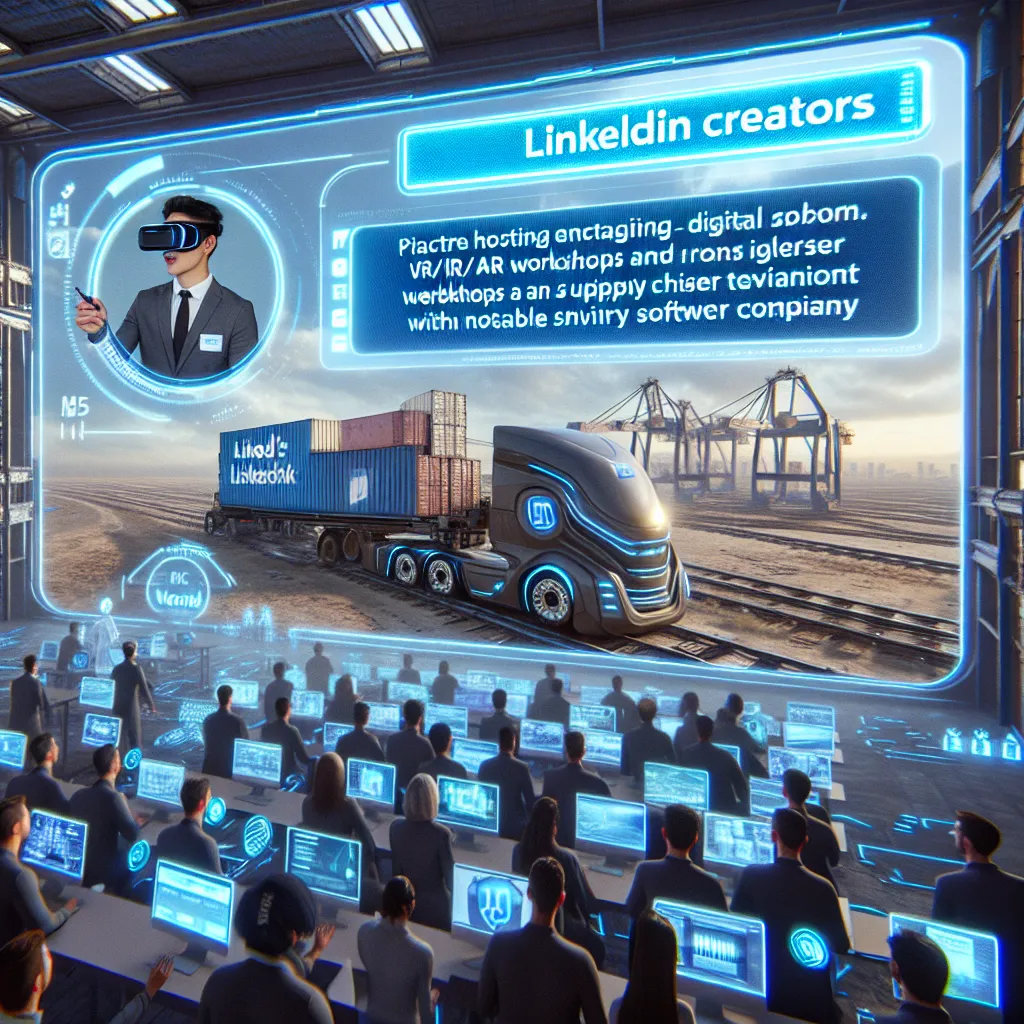
LinkedIn creators increasingly host webinars or workshops, but the formats are boring and forgettable. A new platform could help creators run immersive, branded VR/AR experiences (e.g. product demos, Q&As, panels) with clear sponsor integration. “LinkedIn’s shift toward video and creator-first formats is transforming the platform.” This tool would let creators level up their engagement, and sponsors stand out. For example, an enterprise software company could partner with a logistics influencer to walk audiences through a simulated supply chain environment using VR, making the sponsor’s tech feel tangible.
Description
No additional description provided.
The Pitch
In recent times, LinkedIn has dynamically evolved from a pristine platform for networking into a vibrant ecosystem that supports creators who wish to share their expertise through various media. Despite LinkedIn's progress, creators face a significant challenge: how to differentiate their webinars or workshops in an overcrowded digital space. Conventional formats have grown stale, and audiences often find them lacking in engagement and memorability.
Problem: LinkedIn creators who specialize in professional development and industry insights are hindered by outdated presentation formats that often do not captivate audiences. This problem is compounded when these creators wish to collaborate with sponsors, as traditional modes of integration are typically unremarkable. The lack of interactive elements in these engagements results in missed opportunities for creators to fully leverage their value, and for sponsors to truly shine.
Solution: The introduction of a groundbreaking platform that facilitates immersive, branded VR/AR experiences for LinkedIn creators can resolve these issues. This innovative tool would allow creators to transform their content into engaging virtual reality environments, thus enabling more interactive product demos, dynamic Q&As, and memorable panel discussions. For sponsors, integrated VR experiences can make their offerings more tangible and relatable to audiences.
Product Details: The primary offering is a web-based platform where creators design and host VR/AR content tailored for LinkedIn audiences. Key features include: - An intuitive drag-and-drop interface for building immersive VR environments. - Seamless integration with LinkedIn Live for streaming to existing audiences. - Tools for incorporating branding elements, sponsor logos, and promotional materials. - Advanced analytics to measure audience engagement and content performance. - Support for multi-user interactions where hosts and participants can engage in real-time. - Compatibility with popular VR headsets and AR applications on mobile devices.
Tools and Technologies for Easy MVP Launch: To expedite the development and launch of the minimum viable product, the following tools should be employed: - Unity or Unreal Engine to develop the VR/AR environments. - Amazon Web Services or Microsoft Azure for scalable hosting solutions. - WebRTC for real-time communication capabilities. - Blender or similar 3D modeling software for content creation. - A payment gateway like Stripe for handling transaction processing.
Go-To-Market Strategy: The initial focus should be on creating partnerships with influential LinkedIn creators known for their engagement and thought leadership. A strategic marketing campaign emphasizing thought-leadership content on LinkedIn and other professional networks will create buzz around the platform. Offering early adopters incentives, such as reduced subscription fees or exclusive access to premium features, can generate traction. Building alliances with well-known sponsor brands to provide case studies will further demonstrate the platform's value through real-world applications.
Business Model: The primary revenue stream will be a SaaS subscription model with tiered pricing based on features and audience reach capabilities. Additional revenue can be generated from offering premium customization services and selling virtual event tickets on behalf of creators. Moreover, the platform can charge sponsors for advanced analytics services which provide deeper insights into audience interactions with branded content.
Conclusion: By enabling LinkedIn creators to harness the power of VR/AR, this platform will not only elevate presentation dynamics but also provide meaningful engagement opportunities. As a result, creators will be better positioned to captivate their audiences, while sponsors will enjoy enhanced visibility and connection with potential consumers. Embracing this cutting-edge technology opens up new horizons for professional content on LinkedIn, ultimately transforming it into an experience-rich platform.