Immersive VR Training for Infectious Disease Response
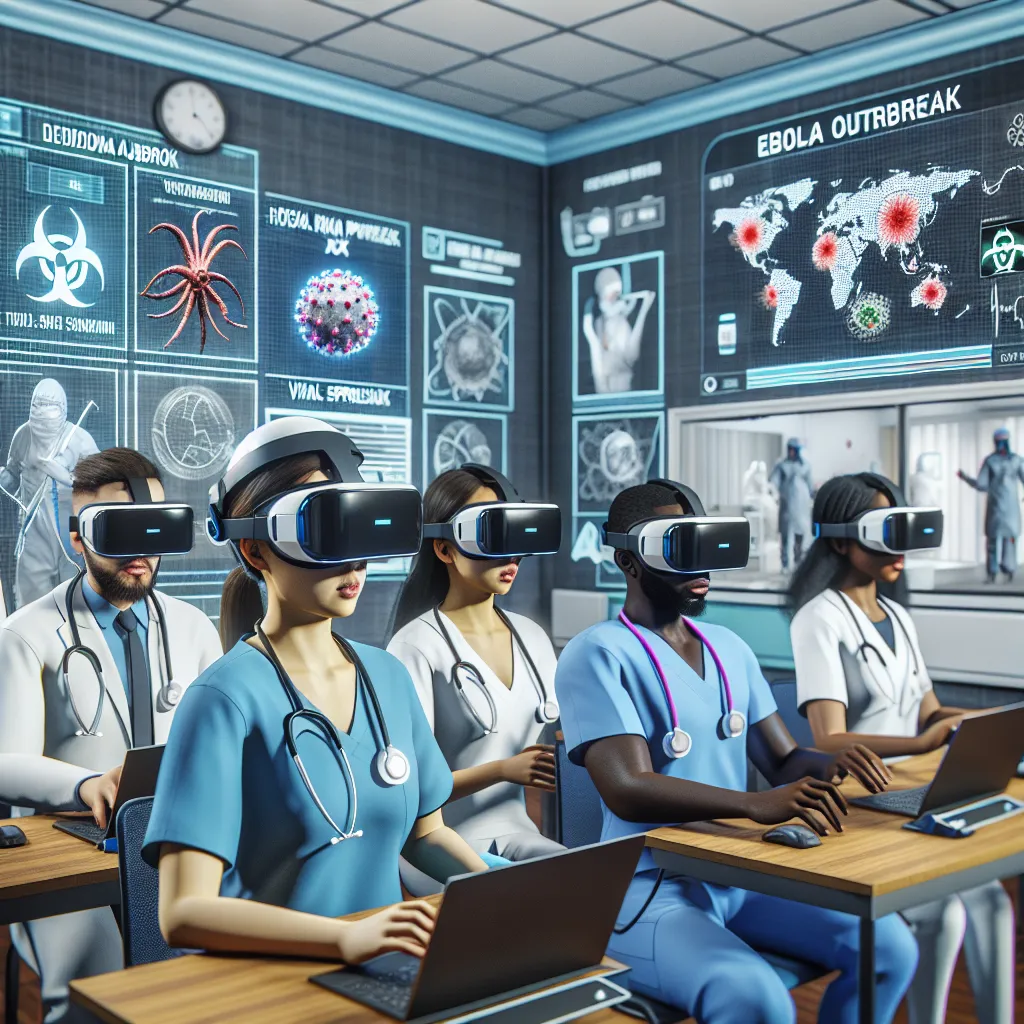
Healthcare workers often receive static, outdated training for infectious disease response, leaving them underprepared for real-world crises. Traditional methods lack realism and fail to simulate the dynamic chaos of pandemic outbreaks. Virtual Reality Pandemic Training Simulations offer immersive, scenario-based training that lets workers practice decision-making under stress, triaging patients, and deploying containment strategies in lifelike environments. VR tech is now more accessible and affordable, and COVID-19 revealed the dire need for better preparedness. A VR-based system can train thousands simultaneously, updating scenarios as pathogens evolve. Picture frontline nurses virtually running through an Ebola outbreak simulation, adjusting protocols in real-time based on viral spread patterns — a massive leap beyond slide decks and lectures.
Description
No additional description provided.
The Pitch
In the ever-evolving landscape of global health, healthcare professionals face an increasing need for adaptive, real-time training methods. Traditional training for infectious disease response often falls short, relying on outdated methodologies that fail to capture the complexity and urgency of real-life pandemic situations. This presents a significant gap, leaving healthcare workers underprepared to tackle emerging infectious diseases effectively.
Backstory: The COVID-19 pandemic highlighted critical deficiencies in the training and preparedness of healthcare workers worldwide. Many professionals were caught off guard, lacking the necessary skills and decision-making experience to manage a rapidly spreading virus. Conventional training methods, such as lectures and static presentations, are insufficient in equipping staff with the practical, quick-thinking capabilities required during crises. There is a clear need for innovative solutions that provide realistic, scenario-based practice to enhance readiness and response effectiveness.
Identified Problem: Traditional infectious disease training programs are not adequately preparing healthcare workers for the dynamics of real-world pandemics. The static nature of these programs results in a lack of engagement and insufficient practical experience, ultimately leading to delayed and ineffective responses during crises. This gap increases the risk of widespread transmission and hinders containment efforts.
Proposed Solution: Develop a Virtual Reality (VR) Pandemic Training Simulation platform designed to offer immersive, scenario-based training experiences for healthcare professionals. This platform will enable users to engage in lifelike simulations, allowing them to practice decision-making under stressful, rapidly changing conditions. By mirroring actual pandemics in a controlled environment, workers can refine their skills across various scenarios, such as infectious disease containment, patient triage, and emergency response strategies.
Product Details: The VR Pandemic Training Simulation platform will incorporate the latest VR technology to deliver high-fidelity simulations. Features include:
1. Varied Scenarios: Simulations of a wide range of infectious diseases, from influenza to emergent viruses like Ebola and COVID-19. 2. Real-time Adaptability: The ability to adjust scenarios and protocols based on evolving pathogen data and user performance. 3. Interactive Learning: Engaging, interactive modules that foster critical thinking and real-time decision-making. 4. Assessment and Feedback: Post-simulation evaluations to provide personalized feedback and track skill development. 5. Accessibility: Compatible with a range of VR hardware to ensure broad accessibility and affordability.
Tools for MVP Launch: Utilizing platforms like Unity or Unreal Engine for VR development, along with VR devices such as Oculus Quest, can facilitate the creation of a cost-effective MVP. Partnerships with healthcare institutions for pilot testing can provide valuable insights and credibility.
Go-to-Market Strategy:
1. Target Audience: Engage with hospitals, medical training facilities, governmental health agencies, and humanitarian organizations. 2. Strategic Partnerships: Collaborate with VR tech companies, healthcare training providers, and industry experts to enhance credibility and reach. 3. Pilot Programs: Deploy pilot training programs in partnership with selected healthcare institutions to gather user feedback and refine the product. 4. Education and Awareness: Host webinars, workshops, and presentations at medical conferences to highlight the benefits and capabilities of VR training. 5. Digital Marketing: Utilize social media and content marketing to reach a broader audience and generate interest.
Business Model: Offer a subscription-based model providing healthcare institutions with access to the simulation platform. Pricing tiers can be based on the number of users and the extent of simulation features required. Additional revenue streams can be established through customized scenario development and consulting services for institutions seeking specialized training solutions.
By leveraging advanced VR technology, this initiative addresses a critical gap in healthcare training, offering an adaptive, scalable solution to prepare professionals for the complexities of modern pandemics effectively. This approach not only enhances individual readiness but also strengthens global public health responses, mitigating the impact of future outbreaks.