Immersive VR Museums Using Ancient Protein Data
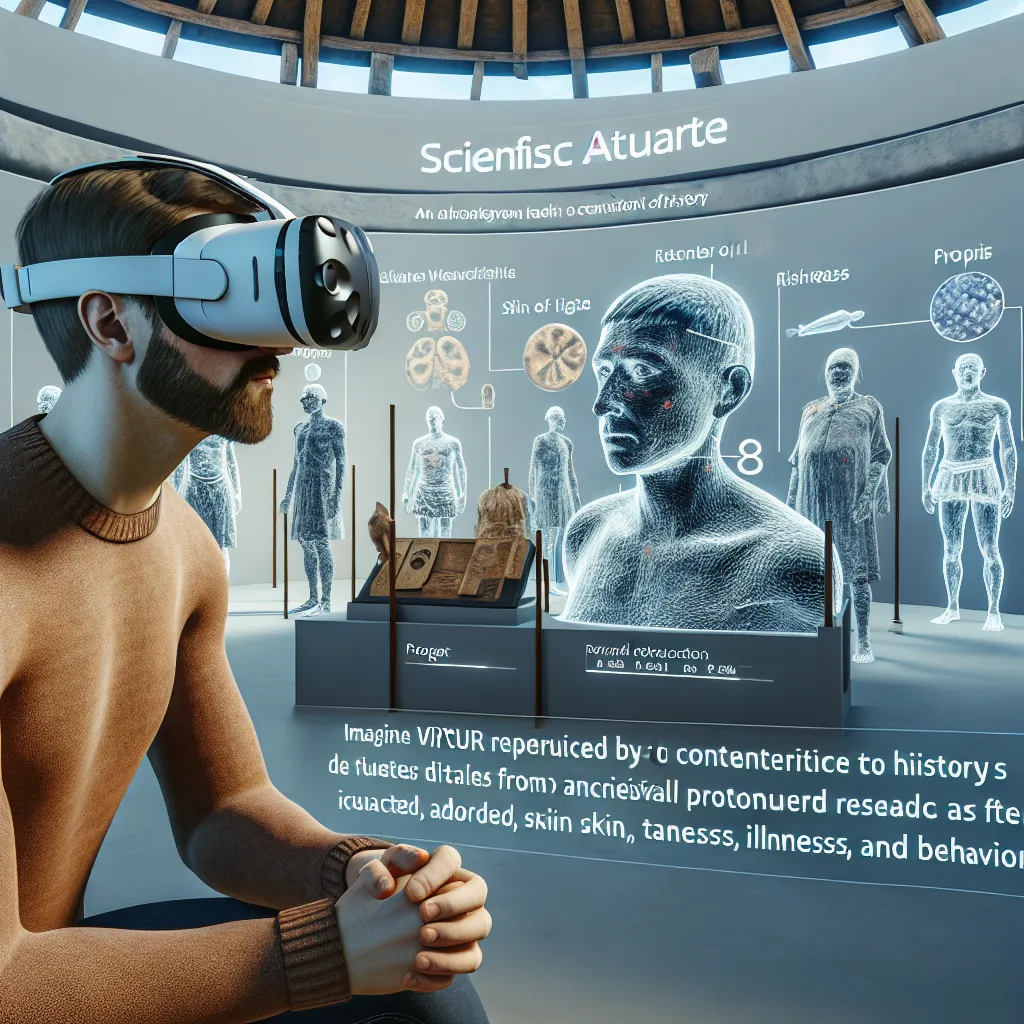
We’ve seen museums use VR to bring history to life, but most reconstructions are based on bones and guesses. What if we used proteins to make them more accurate? A startup could build immersive VR experiences that pull data from ancient proteins to inform skin tone, disease symptoms, dietary effects, and even likely behaviors of historical figures. As paleoproteomics gets better at revealing individual traits, the demand for authenticity in digital education will grow. For example, a museum might let visitors “meet” a medieval peasant reconstructed using proteins from their burial site—showing what they likely looked like, what illnesses they carried, and how they moved. It blends science and storytelling in a way that doesn’t yet exist.
Description
No additional description provided.
The Pitch
Museums have long sought innovative ways to engage visitors by bringing history to life. While virtual reality (VR) has been a breakthrough in this realm, most reconstructions rely heavily on incomplete data such as bone structure and educated guesses about appearances and lifestyles. A new opportunity lies in the untapped potential of paleoproteomics: extracting and analyzing ancient proteins to gain deeper insights into historical figures. This approach could revolutionize the authenticity of VR experiences, providing rich and detailed reconstructions based not just on bones, but on the molecular remnants of the past.
**Backstory and Problem**
Currently, traditional methods used in museums for historical reconstructions have limitations. Surface-level interpretations of ancient remains often result in inaccuracies regarding skin tone, health conditions, and dietary habits. These reconstructions lack the precision and authenticity that could truly captivate audiences and foster a deeper understanding of history.
**Solution**
By utilizing paleoproteomics in tandem with advanced VR technology, a startup can create immersive experiences that offer historically accurate reconstructions. This technology involves analyzing the proteins preserved in ancient remains. These proteins provide extensive data on characteristics such as pigmentation, common ailments, impacts of diet, and even potential behaviors. With these insights, VR platforms can generate experiences that not only educate but also allow users to empathize with historical figures by meeting them in a scientifically accurate manner.
**Product Details**
- **VR Application**: The core product would be an interactive VR platform available on popular VR headsets. It allows users to explore a digital historical world populated with reconstructions informed by protein analysis.
- **Data Integration**: Using paleoproteomics, protein data from ancient remains will be integrated into the digital rendering process. This informs physical characteristics, predicted health issues, and lifestyle implications.
- **Interactive Storytelling**: The platform will present narratives from various historical periods, letting users engage with and learn from reconstructed figures such as medieval peasants, ancient soldiers, and other individuals from significant epochs.
**Tools for Launching as an MVP**
To create a minimal viable product (MVP) quickly and efficiently:
- **VR Development Platforms**: Use platforms like Unity or Unreal Engine to develop the interactive elements and graphics of the VR experience.
- **Paleoproteomic Analysis Partnerships**: Collaborate with research institutions or companies specializing in protein analysis to access and interpret historical data.
- **3D Modeling Software**: Leverage software like Blender for creating detailed and realistic visual reconstructions based on protein data.
- **User Feedback Tools**: Implement analytics and feedback tools to gather user interaction data and improve the product iteratively.
**Go-to-Market (GTM) Strategy**
- **Market Segmentation**: Target museums, educational institutions, and VR enthusiasts interested in innovative and authentic historical content.
- **Partnerships**: Form alliances with museums and academic institutions for trial exhibitions and educational programs.
- **Digital Marketing**: Utilize social media campaigns and influencer partnerships in the educational and tech spaces to generate interest.
- **Exhibitions and Events**: Participate in tech and education conferences to showcase the product and gain feedback from potential users and stakeholders.
**Business Model**
- **B2B Licensing**: Offer licensing models to museums and educational institutions to use the VR application for exhibits and class material.
- **Subscription Service**: Develop a subscription-based access model for users wanting regular updates and new content.
- **Custom Projects**: Provide bespoke services for organizations that desire unique reconstructions and VR experiences tailored to specific historical periods or figures.
By capturing the rich details hidden in ancient proteins, this approach can redefine how we interact with and learn about our past, making history more accessible and vibrant than ever before.