Immersive Healing Through Virtual Reality
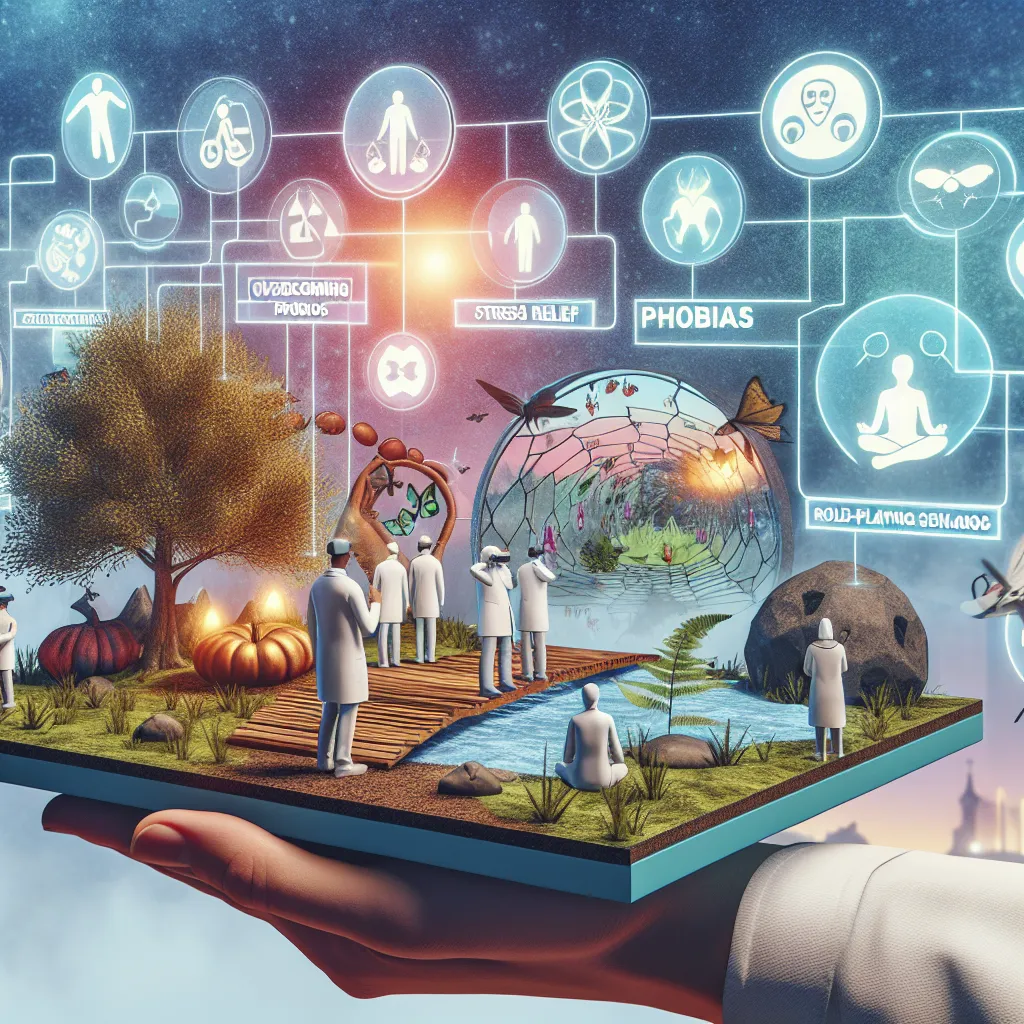
Description
A virtual reality platform focused on therapeutic applications. This could include phobia treatment, stress relief, role-playing scenarios for therapy sessions, or virtual environments for mental health professionals to use with their patients.
The Pitch
Millions of individuals globally suffer from mental health issues, such as phobias, anxiety, and stress, which significantly impact their daily functioning and quality of life. Traditional therapeutic methods can be costly, time-consuming, and limited in their capability to simulate real-life scenarios for effective treatment outcomes. Additionally, accessing mental health services is often stigmatized, creating barriers to seeking help.
Solution Overview: Our proposed solution, "TheraVR," is a cutting-edge virtual reality platform specifically designed for therapeutic applications. By leveraging immersive VR technology, TheraVR will facilitate a range of treatments and therapies in a safe, controlled, and customizable virtual environment. The platform will include features such as phobia desensitization scenarios, stress-relief landscapes, and role-playing modules for various emotional resilience therapies.
Target Audience: TheraVR is aimed at a dual-market segment: 1. Licensed mental health professionals, including psychologists, psychiatrists, and therapists, seeking innovative tools to enhance patient engagement and treatment efficacy. 2. Individuals experiencing mental health issues, particularly those dealing with phobias, anxiety, and stress-related disorders, who are looking for alternative, convenient, and effective treatment methods.
Value Proposition: For professionals, TheraVR provides an effective tool enriching their therapy techniques, enabling them to offer more engaging and varied treatment methodologies. For individual users, it offers immediate, affordable, and private access to mental health care services that are easily customizable to their specific needs, without the stigma of traditional therapy settings.
Market Analysis: The global virtual reality in healthcare market size was valued at approximately $2.0 billion in 2020 and is expected to grow at a CAGR of 30.2% from 2021 to 2028. Growth is largely driven by increased demand for innovative and effective therapeutic modalities. Moreover, the rise in prevalence of mental health disorders and the growing emphasis on reducing healthcare costs enhance the market's demand.
Implementation Plan: Phase 1: Develop partnerships with universities and technology companies for R&D. Phase 2: Build a prototype and conduct pilot testing with a select group of therapists and their patients. Phase 3: Launch a full-scale product, initially focusing on major urban centers where therapist and tech-savvy populations concentrate. Phase 4: Collect user feedback and continuously update the platform with new scenarios and features based on real-world usage data.
Monetization Strategy: TheraVR will operate on a subscription basis. For therapists, a monthly fee will grant access to an expansive library of scenarios and client management tools. For individual users, a lower-tier monthly subscription will provide limited access to personal use modules without therapist facilitation. Additionally, premium features like custom scenario development or real-time therapist interactions will be monetized on a per-use basis.
Impact Assessment: Expected impacts include: - Enhanced accessibility and affordability of mental health care services. - Reduction in traditional therapy's stigma through private in-home use. - Increased effectiveness of therapy sessions through tailored and immersive experiences. - Broadened reach of therapists' practices not limited by geographical boundaries. - Potentially significant decreases in healthcare costs associated with mental health issues through preventive care and reduced need for in-person therapy sessions.
TheraVR not only unlocks new possibilities in the field of mental health treatment but also represents a timely convergence of healthcare and technology amid an increasingly digital society.