Immersive Brand Storytelling for Authentic Shopping
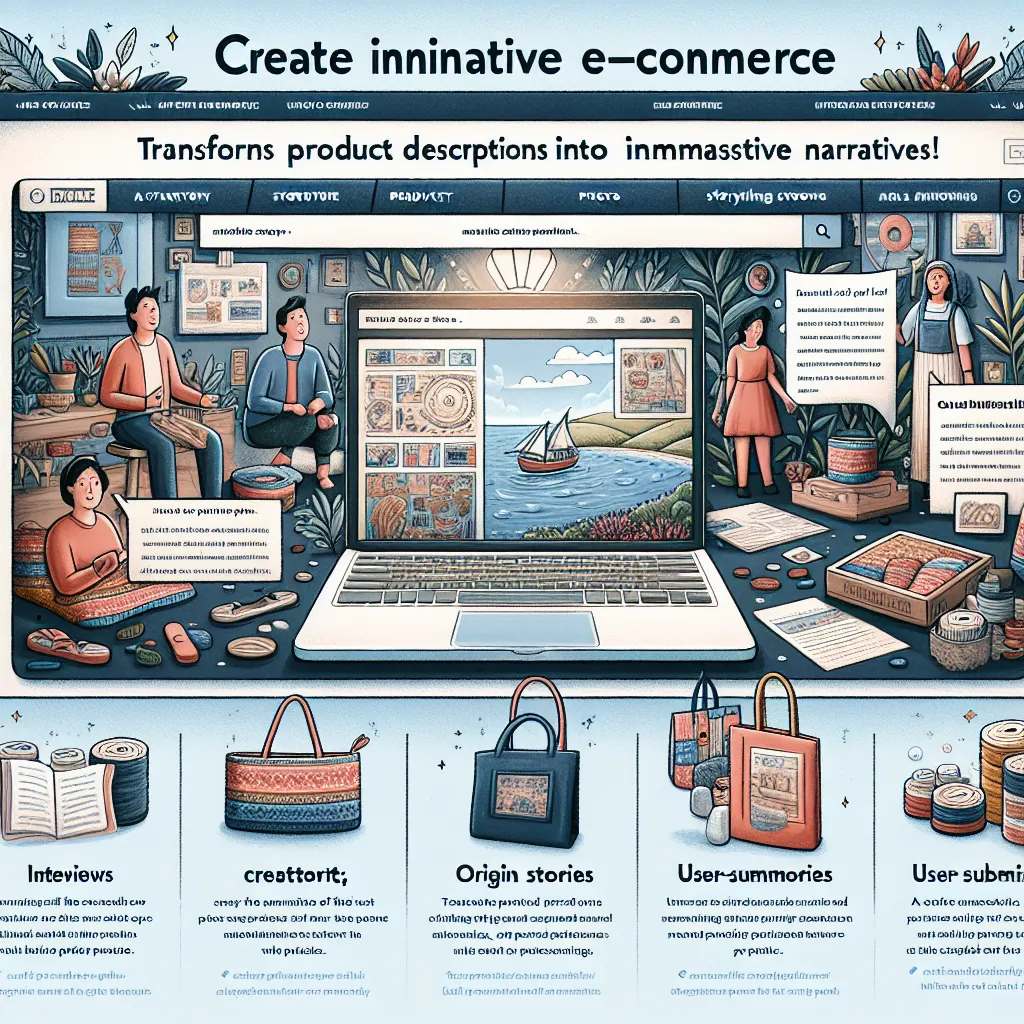
Influencer fatigue is growing, and consumers now respond more to authentic brand storytelling than sponsored content. This startup transforms product pages into immersive narratives — with maker interviews, origin stories, behind-the-scenes videos, and even user-submitted memories. It’s shopping infused with storytelling. 41% of shoppers get excited after reading a positive review, and more rank brand content as exciting than influencer posts. For example, a user browsing a handmade tote gets a video tour of the artist’s studio, a map of the materials’ origin, and a section of real customer photos — deepening connection and boosting purchase intent.
Description
No additional description provided.
The Pitch
In recent years, the landscape of online shopping has evolved, giving rise to a unique phenomenon known as influencer fatigue. With consumers overwhelmed by an abundance of sponsored content, the desire for authenticity has never been stronger. Many shoppers long for genuine connections with the products they buy and the brands they support. This shift in consumer behavior has opened up an opportunity to create a shopping experience that goes beyond transactional interactions, inviting customers into a narrative-driven journey.
**Problem:**
The current e-commerce environment often lacks depth, with product pages providing little more than specifications and stock images. This traditional approach fails to engage consumers who crave a more meaningful relationship with their purchases. As a result, brands may struggle to differentiate themselves and build lasting loyalty among their customer base. Customers are increasingly searching for a sense of connection and purpose behind their purchases, something that standard product descriptions fail to deliver.
**Solution:**
To address this issue, the proposed startup aims to infuse e-commerce platforms with rich, immersive narratives. By transforming product pages into storytelling experiences, consumers can engage with content that resonates on a personal level. This approach leverages maker interviews, origin stories, behind-the-scenes videos, and user-submitted memories to offer a multi-dimensional view of products and brands. Shopping becomes an experience of discovery, where the story behind each item enhances its appeal and value.
**Product Details:**
The core product is a customizable platform that integrates with existing e-commerce sites, allowing brands to easily enhance their product pages with compelling narratives. Features include:
1. An intuitive content management system for uploading and organizing multimedia elements such as videos, interviews, and articles. 2. Interactive maps that showcase the origins of materials, fostering transparency and trust. 3. A user-generated content section where customers can share photos and stories related to their purchases. 4. Seamless integration with analytics tools to measure engagement and conversion metrics.
**Tools for Launching MVP:**
To streamline the launch of the Minimum Viable Product (MVP), the following tools and technologies can be utilized:
1. Shopify or WooCommerce for building the e-commerce platform. 2. Contentful or Ghost for managing content and facilitating storytelling. 3. AWS or Heroku for hosting and scalable cloud infrastructure. 4. Zapier for automating workflows and integrations between different systems.
**Go-To-Market (GTM) Strategy:**
1. **Target Market:** Focus initially on small to medium-sized brands that emphasize craftsmanship, sustainability, and authenticity. These brands are more likely to embrace the storytelling approach and can serve as strong advocates.
2. **Partnerships:** Collaborate with influencer networks that prioritize authenticity, shifting their focus towards genuine product stories rather than traditional sponsored posts.
3. **Content Marketing:** Develop a robust content strategy that showcases case studies of successful implementations, benefits of narrative-driven shopping, and the rising trend of authentic brand engagement.
4. **Social Media Campaigns:** Leverage platforms like Instagram and Pinterest to share visually engaging snippets of product stories, driving traffic to enhanced product pages.
5. **Webinars and Workshops:** Conduct online sessions to educate potential clients about the advantages of story-based commerce, offering insights and demonstrations of the platform.
**Business Model:**
Adopt a subscription-based model with tiered pricing to cater to different business sizes and needs. Offer a freemium version to attract smaller brands and startups, with premium features available in paid tiers. This approach allows brands to scale the use of storytelling tools as they grow, providing incremental value over time.
In conclusion, by transforming product pages into vibrant narratives, this startup not only meets the demand for authenticity but also enhances the shopping experience. The integration of storytelling into commerce has the potential to build deep, lasting relationships between brands and consumers, setting a new standard for the future of online shopping.