Hyperlocal Service for Offline Sellers' Online Sales
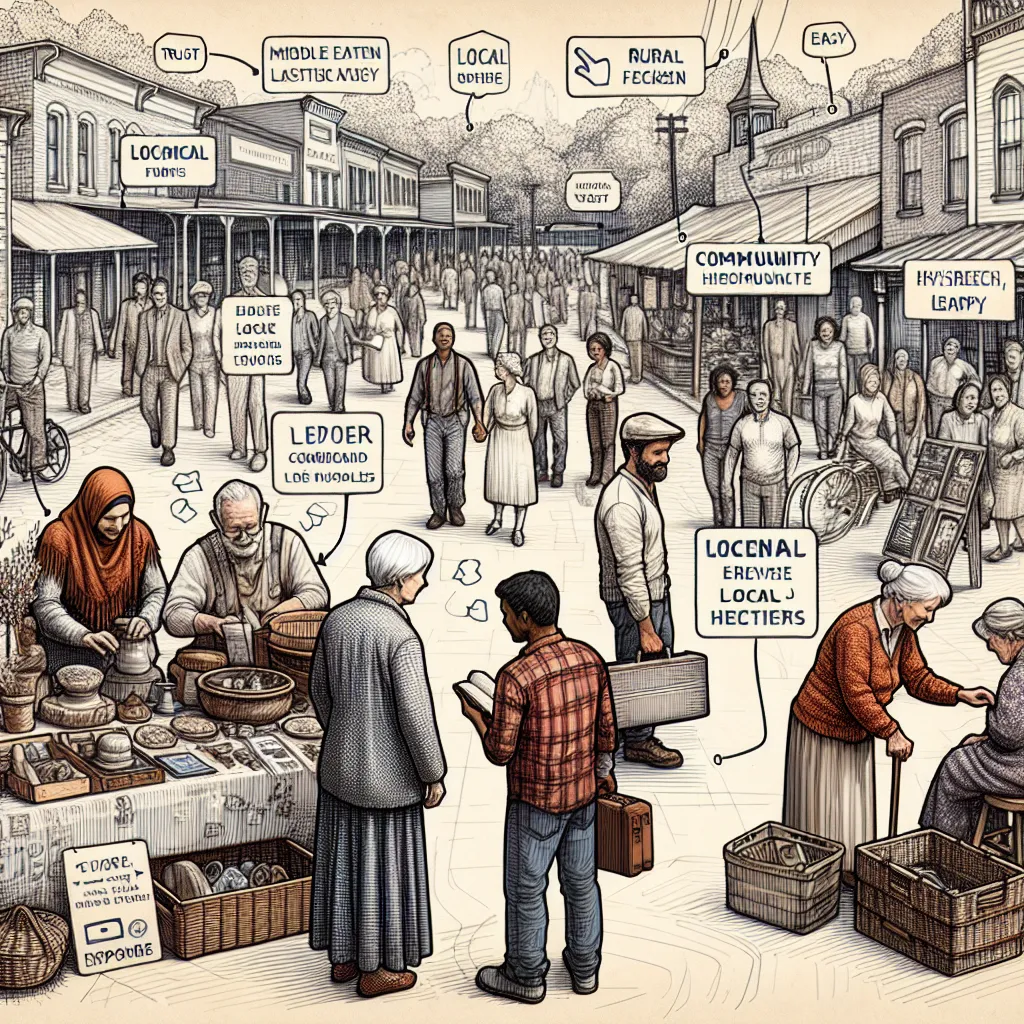
A hyperlocal service that helps digitally disconnected individuals—often elderly or rural—sell their goods online by handling listings, photos, pricing, negotiation, and pickup. Unlike consignment shops or national resale platforms, this is targeted to offline communities where trust and local presence matter. It fills the gap for people who “don’t know how to turn on a computer” but have valuable, unused assets. Execution involves simple flyers, local ads, and a community rep who splits profits with sellers. Easy to bootstrap and expands by neighborhood.
Description
No additional description provided.
The Pitch
The ability to buy and sell goods online has become a near-essential skill. However, there exists a segment of the population that remains digitally disconnected, primarily among the elderly and rural communities. These individuals often have valuable, unused items but lack the technical skills or inclination to sell them online. Existing solutions such as consignment shops or national resale platforms don’t cater efficiently to this demographic, who value trust and local presence over impersonal online interactions.
**The Problem**
For many elderly and rural individuals, interacting with digital technology remains a daunting task. The internet, although a powerful tool, can be overwhelming and inaccessible to those who have never used it. Consequently, this segment is left with valuable assets that could be monetized but aren't, due to a lack of appropriate means. Traditional approaches such as consignment shops do not always offer the trust factor or the profitability that a local, person-to-person interaction can achieve.
**The Solution**
The solution is a hyperlocal service aimed at helping digitally disconnected individuals sell their goods online effortlessly. This service involves full support for the process of listing, photographing, pricing, negotiating, and picking up items for sale. Unlike other platforms, this approach focuses on building trust through local presence and personal interaction. The service would bridge the gap between these individuals and the online marketplace, making it easier and more comfortable for them to monetize their unused assets.
**Product Details**
1. **Service Offering**: A comprehensive package that includes visiting clients for consultations, evaluating items, taking high-quality photographs, writing persuasive listings, managing online sales, and handling logistics like pickup and drop-off.
2. **Local Community Representative**: Each participating neighborhood would have a dedicated community representative responsible for maintaining relationships with clients, building trust, and managing the sale process. This representative would have deep knowledge of the local culture and needs.
3. **Marketing & Outreach**: Focused on offline strategies that resonate with the target demographic, such as simple, clear flyers placed in community centers, churches, local bulletins, and through word-of-mouth.
4. **Revenue Model**: A profit-sharing agreement with sellers, ensuring they receive a fair percentage of the sales proceeds. This model encourages trust and ensures the community representative is incentivized to maximize sale values.
**Tools for Launching an MVP**
1. **Photography Equipment**: Basic cameras or high-quality smartphones for item photography.
2. **Technology Platform**: A simple software solution for inventory management and order processing, possibly using existing tools like Shopify or Squarespace for setting up an online store.
3. **Transportation**: Vehicles for item pickup and delivery, which could be rented or managed through a partnership with a local delivery service.
4. **Communication Tools**: Use of simple, effective communication tools like WhatsApp or community bulletin apps to maintain contact with clients.
**Go-to-Market Strategy**
1. **Initial Launch**: Start in a single neighborhood with significant elderly or rural populations to test and refine the model.
2. **Partnerships**: Collaborate with local community centers, religious groups, and senior organizations to gain legitimacy and reach the target audience effectively.
3. **Word-of-Mouth Growth**: Encourage satisfied clients to share their experiences, leveraging community networks.
4. **Feedback Loops**: Implement strong feedback mechanisms to adapt service offerings continually based on the needs and preferences of the clients.
**Business Model**
The business would operate on a revenue-sharing model, effectively minimizing upfront costs while ensuring profitability as the scope of the operation expands. The model would be self-sustaining, with revenues reinvested into operations as the service scales from one community to another.
**Conclusion**
This hyperlocal service seeks to empower digitally disconnected individuals by simplifying the online selling process, fostering a sense of community, and building trust through personal connections. As the service grows, it offers the potential to revitalize local economies and improve the financial stability of traditionally underserved populations.