Hyperlocal Security Solutions: A Community-Centric Approach
Description
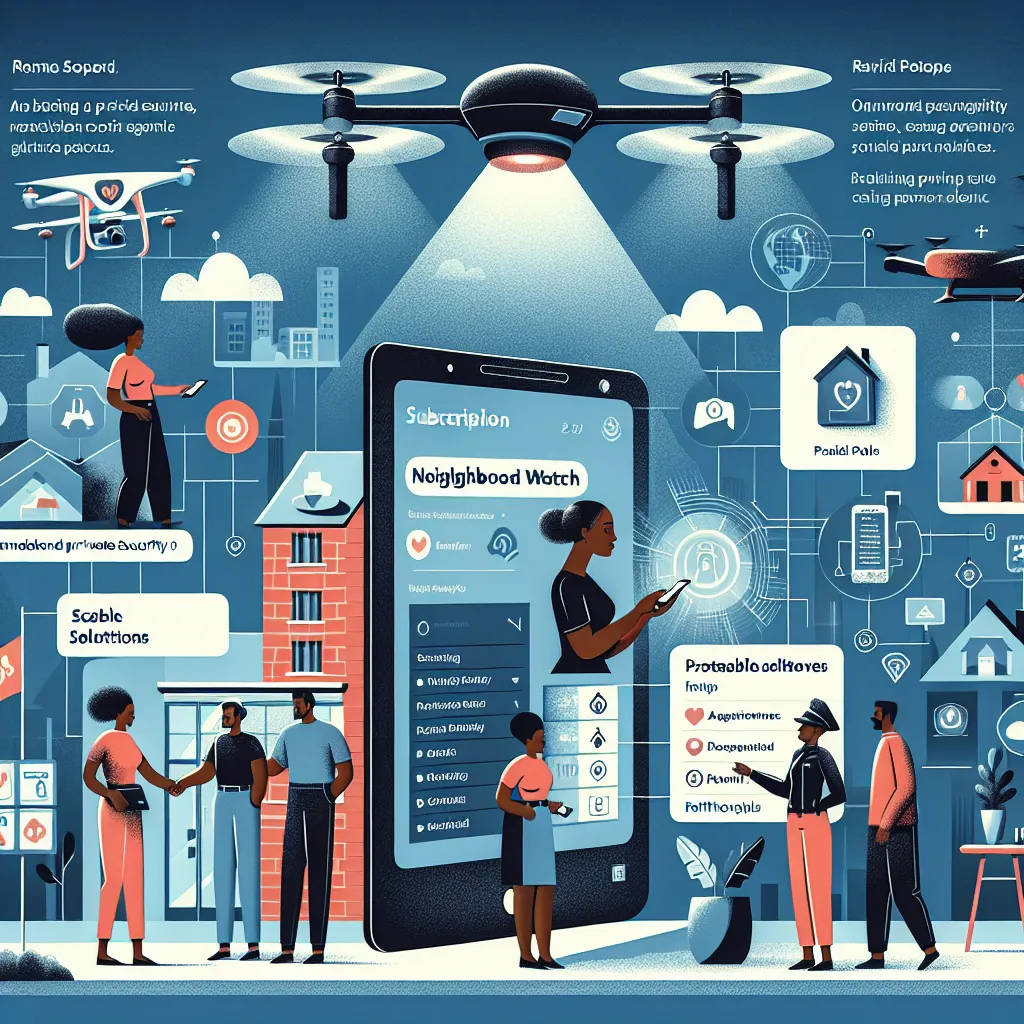
A startup offering community-driven, tech-enabled security services tailored to specific urban neighborhoods. Key features include a neighborhood watch app for real-time alerts, on-demand private security, and AI-powered drone surveillance. Residents can choose subscription plans ranging from basic monitoring to advanced security options, including drone patrols. The business model also includes hardware sales and partnerships with local authorities. By focusing on community trust, rapid response, and scalable solutions, the startup addresses rising crime and the inefficiencies of traditional policing, while tackling privacy and regulatory concerns.
The Pitch
Problem Statement: Urban areas are experiencing rising crime rates, and traditional policing methods are often overstretched or ineffective in providing timely, localized protection. There is a growing demand for security solutions that cater specifically to the unique needs of individual neighborhoods.
Solution Overview: This startup would offer hyperlocal, community-driven security services that leverage modern technology to enhance safety and security in specific urban communities. The service would focus on empowering neighborhoods to take control of their security while providing professional-grade tools and resources.
Key Features: Tech-Enabled Neighborhood Watch Systems:
Community App: A dedicated app that allows residents to report suspicious activities, share real-time updates, and coordinate with neighbors. The app could also integrate with local law enforcement for more effective communication. Geofencing Alerts: Automated alerts when unfamiliar devices or people enter a designated area, using geofencing technology. Private Security Apps:
On-Demand Security: An Uber-like service for private security, allowing residents to request immediate assistance from vetted, local security personnel. These guards could be hired temporarily or on a subscription basis. Virtual Patrols: Through AI-driven cameras and sensors installed throughout the neighborhood, the app can monitor unusual activity, sending alerts and footage to residents and security personnel in real time. Drone-Based Surveillance Solutions:
Automated Drone Patrols: Drones equipped with cameras and night vision that patrol the neighborhood at set intervals or in response to alerts from the community app. They could be used for real-time monitoring of ongoing incidents, providing aerial views that can help assess situations before authorities arrive. Customizable Drone Routes: Tailored drone patrol routes specific to a neighborhood's layout and needs, focusing on high-risk areas like alleyways, parking lots, and poorly lit streets. Business Model: Subscription Plans: Offer tiered subscription plans where residents can choose from basic community monitoring to more advanced packages that include on-demand security and drone surveillance.
Partnerships: Collaborate with local governments, law enforcement agencies, and community organizations to integrate services and share data for more effective crime prevention.
Hardware Sales: In addition to the service, offer sales of security hardware like cameras, sensors, and drones, potentially with financing options.
B2B Services: Extend the offering to local businesses, providing tailored security solutions for small shops, offices, and other establishments within the neighborhood.
Competitive Advantage: Community Trust: Unlike traditional security companies that operate at a larger, more impersonal scale, this startup would focus on building trust within specific communities by offering customized solutions that residents have a say in designing.
Real-Time Responsiveness: With on-demand security and drone surveillance, the service would provide faster response times than traditional policing, potentially preventing crime before it escalates.
Scalability: Starting with a pilot in a single neighborhood, the business could scale to other communities facing similar challenges, using data and feedback to continually improve and adapt the service.
Challenges and Mitigation: Privacy Concerns: Address privacy issues by ensuring that all data is encrypted, and residents have control over their personal information. Also, include transparent opt-in features for those who wish to participate in the monitoring system.
Regulatory Hurdles: Navigate local regulations regarding drones, private security, and surveillance by working closely with legal experts and local authorities.
Initial Costs: The upfront costs of deploying drones, sensors, and other tech could be high. To mitigate this, start with a minimal viable product (MVP) in a small, well-defined area to demonstrate success and attract further investment.
Market Potential: With urban areas increasingly concerned about safety and many communities feeling underserved by traditional law enforcement, the demand for hyperlocal, tech-enabled security solutions is likely to grow. The startup could target high-crime urban neighborhoods initially, then expand to more affluent areas interested in enhancing security further.
This model blends the community-driven approach of traditional neighborhood watches with cutting-edge technology, creating a solution that's both modern and deeply connected to the people it serves.