Hyper-Personalized AI Learning Coach for Students
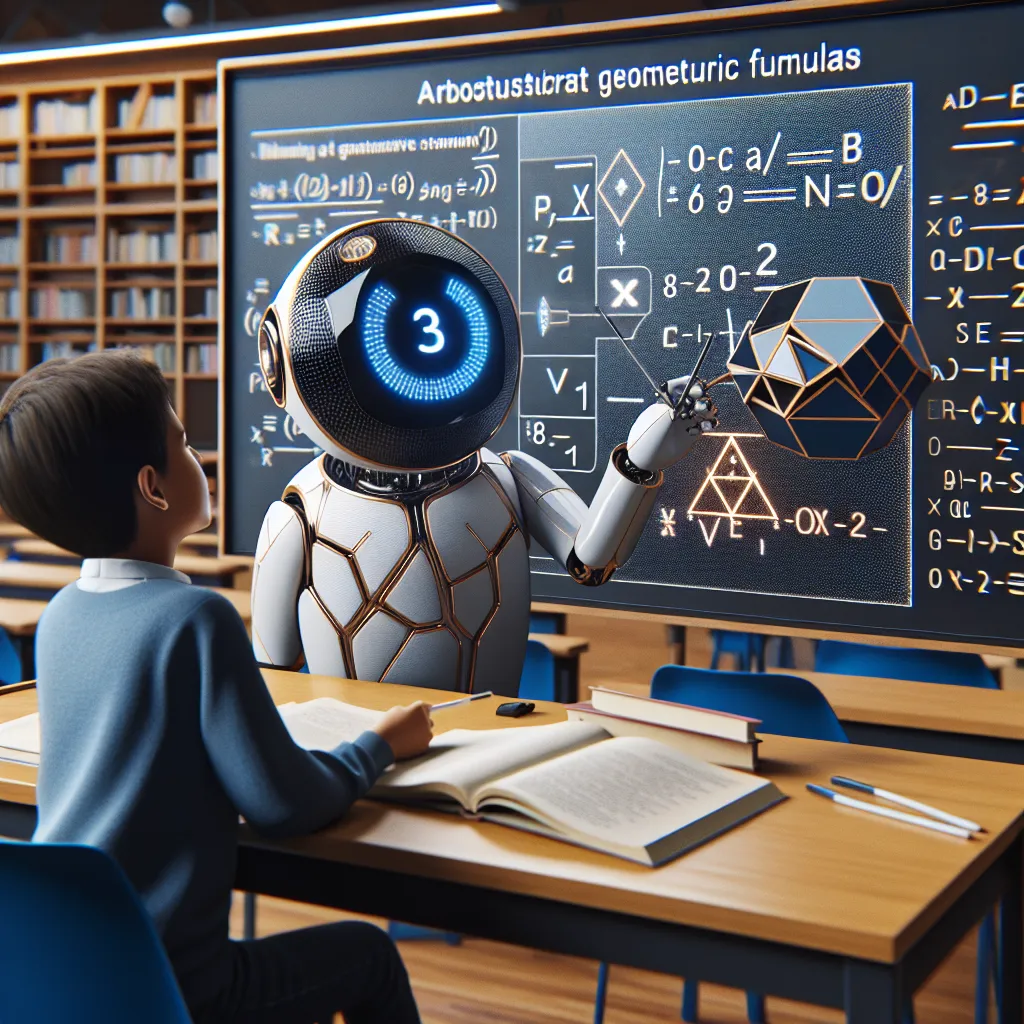
Education AI today is generic — one-size-fits-all tutoring apps that don’t adjust to real human learning patterns. Students have different styles: some learn visually, others by doing, and emotional states massively impact learning speed. A hyper-personalized AI Learning Coach would use real-time emotional feedback — facial cues, voice stress, focus detection — to dynamically adjust teaching methods. It’s not just about what to teach, but how to teach it moment-to-moment, with AI adapting its strategy like a great human tutor would. Why now? AI has reached the point where multi-modal inputs are viable, and the next generation demands hyper-personalized, responsive education. Imagine a student struggling with geometry; the AI detects frustration, slows the pace, switches from abstract formulas to real-world visual examples, and builds a completely personalized learning loop without a teacher needing to intervene.
Description
No additional description provided.
The Pitch
In recent years, there has been a growing recognition that traditional education methods are insufficiently tailored to address the diverse learning needs of individual students. Most existing educational technologies are designed with a one-size-fits-all approach, often failing to accommodate the unique learning styles and emotional states that significantly impact a student's ability to absorb and retain knowledge. This concept seeks to transform the educational landscape by introducing a hyper-personalized AI Learning Coach.
**Backstory**
The traditional educational system primarily revolves around standardized teaching methods that prioritize uniformity over personalization. In contrast, students exhibit varying learning styles; some are visual learners, while others respond better to auditory inputs or learn best through hands-on experiences. Moreover, a student's emotional state - whether they are anxious, frustrated, or disengaged - can greatly influence their capacity to learn. Recognizing these variations is key to effective education.
**Problem**
Current educational technologies and tutoring applications largely overlook these individualized learning patterns. The lack of adaptability in teaching methods often results in disengagement, knowledge gaps, and a general sense of frustration among students. This one-dimensional approach fails to harness the full potential of each student, leaving many to fall behind in subjects simply due to improper teaching methods and a lack of emotional responsiveness.
**Solution**
The Hyper-Personalized AI Learning Coach aims to address these challenges by leveraging advanced multi-modal AI capabilities. This system would integrate real-time emotional feedback systems, including facial recognition for emotional cues, voice stress analysis, and focus detection technologies. By interpreting these inputs, the AI can dynamically adjust its teaching strategies and methodologies, offering a customized educational experience for each student.
- **Adapting Teaching Methods**: The AI coach can identify when a student is struggling and modify its approach instantly. For instance, if a student shows signs of frustration while studying geometry, the AI could respond by altering the pace, switching to visual aids, or providing more intuitive real-world examples to clarify concepts.
- **Continuous Feedback Loop**: By continuously monitoring and interpreting the student's emotional and cognitive states, the AI establishes a personalized learning loop. It ensures that both the content and delivery are optimized for effective learning, akin to the strategies employed by highly skilled human tutors.
**Product Details**
- **Real-Time Emotional Feedback System**: Incorporates facial recognition, voice analysis, and focus detection to gauge the student's emotional state and concentration levels. - **Adaptive Learning Paths**: Utilizes AI algorithms to determine the best teaching method based on individual learning patterns and emotional feedback. - **Multi-Modal Content Delivery**: Offers educational content in varying formats such as audio, video, interactive simulations, and text, adapting to the student's preferred learning style. - **Progress and Engagement Analytics**: Provides insights into the student’s learning journey with metrics and analytics to track progress, engagement, and emotional responses.
**Tools for MVP Launch**
- **Emotion AI SDKs**: To incorporate facial emotion recognition and voice analysis functionalities. - **AI Development Platforms**: Utilize platforms like TensorFlow or PyTorch for machine learning model development. - **Cloud Services**: Employ cloud solutions like AWS or Azure for scalable computational resources and data storage. - **Frontend Frameworks**: Leverage React or Angular for building an intuitive user interface for student interaction.
**Go-to-Market (GTM) Strategy**
1. **Target Audience Identification**: Focus initially on middle and high school students, schools, and tutoring centers seeking innovative learning solutions. 2. **Partnerships**: Collaborate with educational institutions and tech companies to pilot the technology and garner support. 3. **Pilot Programs**: Initiate small-scale pilots in select institutions to test effectiveness and gather feedback. 4. **Marketing Campaigns**: Develop targeted digital marketing strategies, showcasing case studies and testimonials to highlight product benefits. 5. **Educator Workshops**: Conduct workshops with educators to demonstrate how the AI Learning Coach can complement traditional teaching methods.
**Business Model**
- **Subscription-Based Model**: Offer individual and institutional subscriptions with tiered pricing based on features and the number of users. - **Freemium Model**: Provide basic features for free to attract users, with premium features available for a fee. - **Licensing and API Integration**: Allow third-party educational platforms to integrate the AI system, creating additional revenue through licensing fees.
In summary, the Hyper-Personalized AI Learning Coach represents a revolutionary step towards individualized education, incorporating cutting-edge AI technology to adapt in real-time to a student's learning and emotional needs. By doing so, it aims to foster a more engaging, efficient, and effective educational experience, tailored to the nuances of each learner.