Hybrid Solar-Fuel Cell System for Eco-Friendly Flight
Solar-powered planes are promising but don’t generate enough power alone for long-range flight. A hybrid propulsion system that combines sodium-air fuel cells (high energy density) with onboard solar panels (passive charging) could extend flight time while reducing fuel weight and emissions. A startup could build this for electric gliders, cargo drones, or even small electric aircraft used in regional transport. The “why now” is strong: with both solar and battery tech rapidly improving, and regulations tightening around short-haul flights (especially in the EU), airlines and aviation startups are looking for alternatives. This hybrid system could power planes from off-grid or rural areas where charging infrastructure is weak.
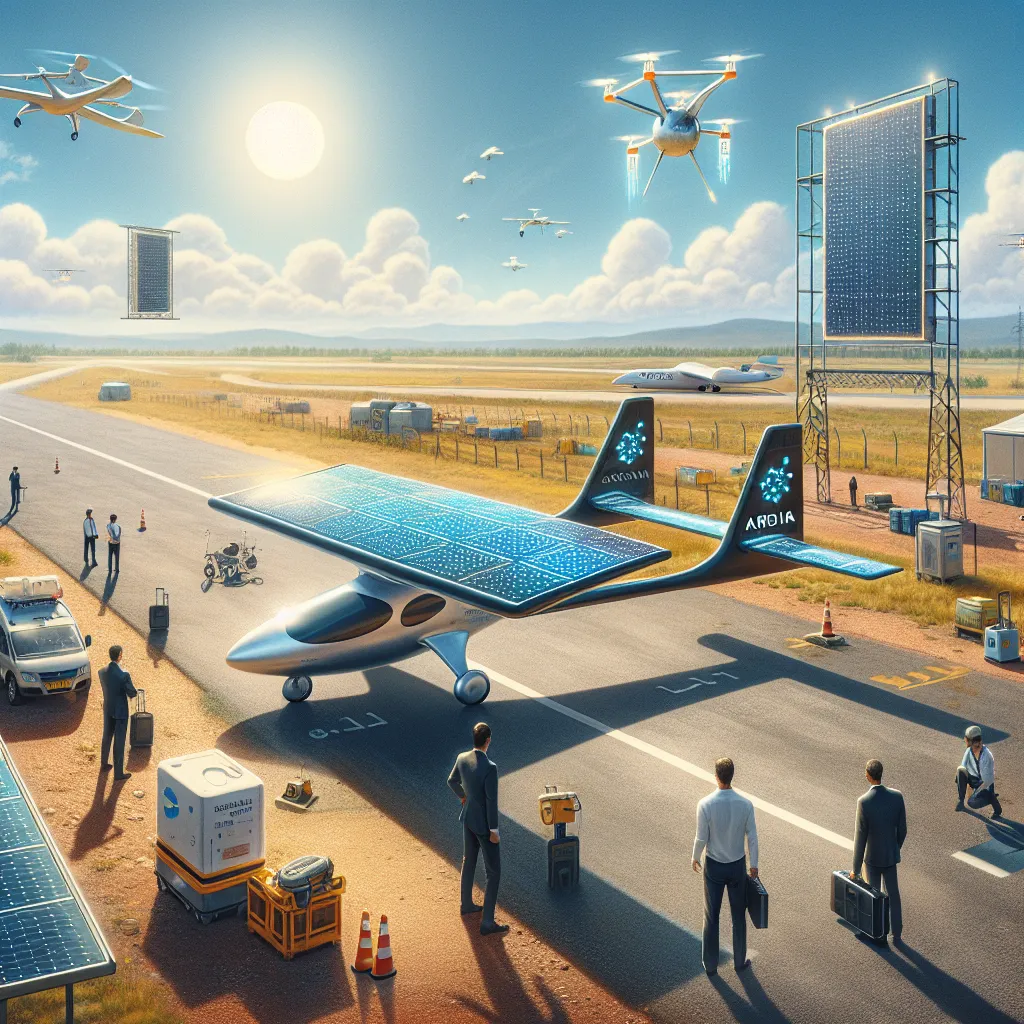
Description
No additional description provided.
The Pitch
For those intrigued by the future of sustainable aviation, consider the development of a hybrid propulsion system that integrates sodium-air fuel cells with onboard solar panels. This advancement targets a significant challenge in the aviation industry: the current limitations of solar-powered planes in generating sufficient power for long-range flights. Utilizing the high energy density of sodium-air fuel cells alongside the passive charging capabilities of solar panels can potentially revolutionize flight dynamics. Not only could this innovation extend flight time, but it also promises to reduce fuel weight and emissions significantly.
One of the primary markets for this technology includes electric gliders, cargo drones, and small electric aircraft used in regional transport. The backdrop to this innovation is compelling; with rapid advancements in solar and battery technology combined with tightening regulations around short-haul flights, especially within the European Union, there's an increasing demand for efficient and sustainable aviation alternatives. Airlines and burgeoning aviation companies are actively searching for innovative solutions that provide both environmental benefits and economic feasibility.
The product in focus—the hybrid propulsion system—offers a strategic solution by combining the enduring power of sodium-air fuel cells with solar panels' supplementary charging. Electric aircraft equipped with this system could operate more efficiently from remote or underserved regions lacking established charging infrastructure, leveraging the inherent advantages of solar energy.
Building this innovation involves several actionable steps:
1. **Research and Development**: Begin by partnering with institutions focused on renewable energy innovation to fine-tune sodium-air fuel cell technology and integrate it effectively with solar panels.
2. **Prototype Design and Testing**: Utilize modern design tools such as CAD software for aerodynamics modeling and simulation tools to test energy efficiency in various conditions.
3. **Collaboration with Aviation Experts**: Engage with aerospace engineers and aviation specialists to ensure the propulsion system meets industry standards and aviation safety regulations.
4. **Scaling Production**: Once the prototype is successful, consider setting up pilot programs with interested aviation partners to scale the production and test the commercial viability.
For an MVP, emphasize the hybrid system's ability to achieve extended flight times and reduced emissions. Demonstrate these capabilities through a series of tests and case studies with small electric aircraft.
The go-to-market strategy should focus on:
1. **Building Strategic Partnerships**: Form alliances with airlines and regulators to support the adoption of the technology.
2. **Engagement with Environmental Advocates**: Leverage the growing emphasis on sustainability to build awareness and support.
3. **Participating in Aviation Expos**: Showcase the hybrid system at industry events to attract early adopters and investors.
In terms of the business model, the company could generate revenue through:
- **Direct Sales to Aviation Manufacturers**: Offering fully integrated hybrid propulsion systems for new aircraft. - **Licensing Technology**: Allowing existing manufacturers to adopt the technology within their own aircraft designs. - **Maintenance and Support Services**: Providing ongoing support to ensure optimal performance of the system.
As the world gravitates towards a more sustainable future, this hybrid propulsion system represents a critical step forward in transforming regional air travel, setting new standards for efficiency and environmental responsibility in the aviation industry.