Hybrid AI-Human Mentorship Platform for Developers
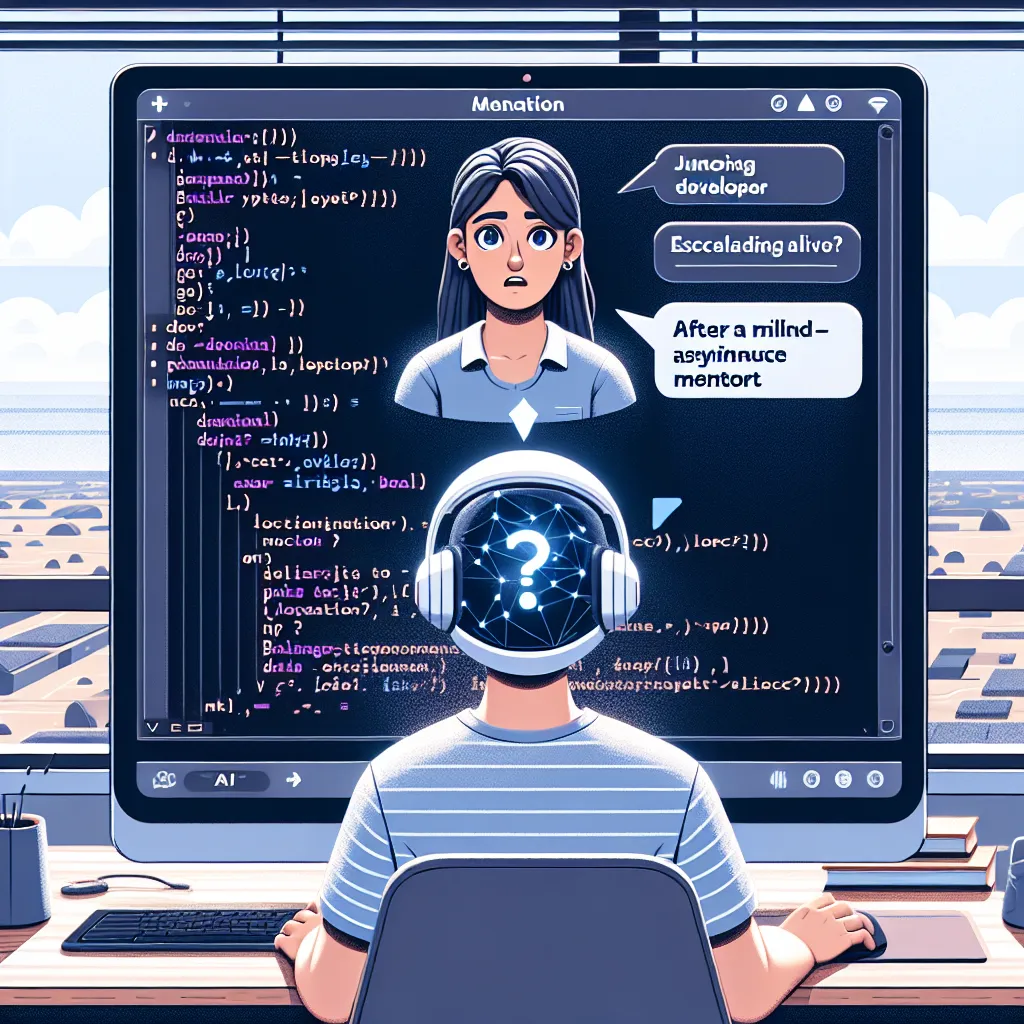
Junior developers face a brutal ramp-up—especially in remote teams. The Stack Overflow Survey confirms what every engineering lead knows: even with AI tools, juniors prefer asking real humans. But mentors are busy, and AI alone lacks the warmth, encouragement, or context new devs need. Enter a hybrid platform: on-demand AI help for basic questions, with seamless escalation to vetted human mentors for code reviews, architecture guidance, and emotional support. Think of it as “CodeMentor meets GPT”—but embedded in the IDE. A junior dev gets stuck debugging a function. The AI explains what’s happening, but the dev still doesn’t get it. They tap a button and get matched with a senior mentor for a 15-min async review. The combo reduces cognitive load, builds confidence, and actually accelerates learning instead of papering over gaps with autocomplete. It’s mentorship at scale—with AI handling the simple stuff and humans adding wisdom.
Description
No additional description provided.
The Pitch
The journey of a junior developer, particularly within remote teams, is often riddled with challenges. As these developers navigate through the complexities of coding and software development, they frequently encounter obstacles that demand more than just technical solutions. The findings from the Stack Overflow Survey highlight a pressing concern: even with the rise of AI tools, junior developers have a marked preference for seeking guidance from real humans. This preference underscores a significant gap in the current ecosystem, where the need for human mentorship stands at odds with the busy schedules of potential mentors. AI, while powerful, falls short in offering the warmth, encouragement, and contextual understanding that new developers require.
Problem Statement
The primary challenge faced by junior developers is twofold. On one hand, AI-based tools, though advanced, lack the depth necessary to provide meaningful mentorship. On the other, experienced developers often struggle to find time to mentor juniors, especially in asynchronous, remote settings. The absence of a supportive and dynamic learning environment hampers the growth and contributes to a steep learning curve for juniors, ultimately affecting team productivity and morale.
Proposed Solution
The proposed solution is a hybrid mentorship platform that effectively integrates AI with human expertise. This platform is designed to provide on-demand AI assistance for straightforward queries, alongside seamless escalation to vetted human mentors for more complex issues such as code reviews, architecture guidance, and emotional support. This initiative is akin to blending the capabilities of a platform like CodeMentor with the intelligence of an AI system such as GPT, and integrating this hybrid model directly into the developer’s IDE. The goal is to build a cohesive support system that not only addresses technical challenges but also nurtures personal development and confidence.
Product Details
The platform leverages AI to handle basic programming questions with quick, automated responses. When a junior developer encounters a more nuanced issue, they can easily escalate it through the platform to connect with a senior mentor. This is facilitated by an intuitive interface within the IDE, allowing for a smooth transition between AI assistance and human mentorship. Human mentors provide asynchronous reviews, feedback, and personalized guidance, ensuring a comprehensive learning experience that goes beyond automated suggestions.
Tools for Building and Launching the MVP
To kick-start this project as a Minimum Viable Product (MVP), a combination of existing technologies and platforms can be employed: 1. IDE Plugins: Develop plugins for popular IDEs (like VSCode or JetBrains) to integrate the platform seamlessly into developers’ workflows. 2. AI Framework: Utilize AI frameworks such as TensorFlow or OpenAI’s GPT to manage simple queries. 3. Mentor Matching System: Create an algorithm using machine learning techniques to match junior developers with suitable mentors based on expertise and availability. 4. Communication Platform: Incorporate tools like Slack or Zoom for facilitating real-time or asynchronous mentor interactions.
Go-to-Market Strategy
The go-to-market (GTM) strategy involves targeting both junior developers and experienced developers who are interested in mentoring. An initial focus on tech startups and remote-first companies can serve as an ideal entry point. Key steps in the GTM strategy include: 1. Pilot Programs: Collaborate with a few tech companies to run pilot programs, gathering feedback and iterating on the product. 2. Community Engagement: Engage with developer communities through webinars, workshops, and forums to build awareness and trust. 3. Partnerships: Form strategic partnerships with coding bootcamps and educational institutes to expand reach and credibility. 4. Freemium Model: Offer a basic tier for free and introduce tiered subscriptions for enhanced features and personalized mentor interactions.
Business Model
The business model can follow a subscription-based approach with multiple tiers. A freemium model allows users to access basic AI assistance for free, while premium subscriptions cater to more advanced needs, offering extensive human mentor interactions and additional resources. Revenue can also be generated through partnerships with educational platforms and tech companies, providing them with customized mentoring solutions for their teams.
Conclusion
By merging AI's efficiency with human mentorship's depth, this hybrid platform aims to revolutionize the learning curve for junior developers in remote teams. This initiative not only addresses the immediate challenges but also contributes to the holistic growth of developers, ultimately fostering a more supportive and productive tech ecosystem.