Hundred Days: The 100-Day Startup Sprint Platform
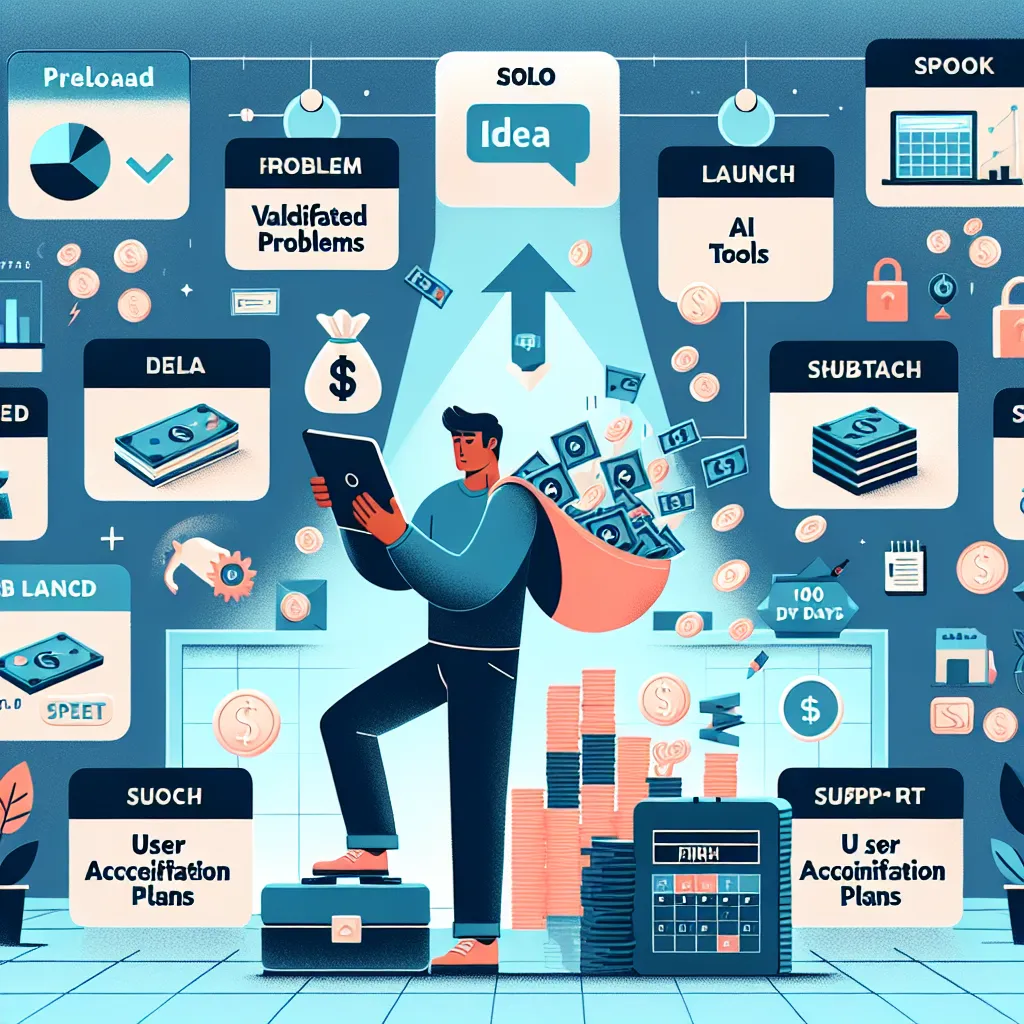
Many would-be founders want to build, but are stuck in idea paralysis or lack structure. Hackathons are too short, courses are too abstract, and accelerators are too selective. Hundred Days is a launchpad for solo and duo builders to commit to building a startup (or product) in 100 days using preloaded idea kits — each with a validated problem, AI tools, launch checklists, user acquisition plans, and support groups. Builders choose an idea, set a public goal, and get weekly nudges, feedback, and a chance to earn investment or revenue share at the finish line. Why now? The “move fast” culture is going mainstream as AI and nocode eliminate most barriers to execution, but momentum fades without accountability. A former product manager chooses a fintech kit, builds a subscription savings app in 3 months, and exits the sprint with 500 users and a real business.
Description
No additional description provided.
The Pitch
In the world of startups and tech entrepreneurship, many aspiring founders find themselves at a crossroads. They have the drive and the creativity to build something impactful, yet they are often paralyzed by too many ideas or a lack of structured guidance. Traditional pathways such as hackathons, educational courses, and accelerator programs offer some assistance, but each comes with its own limitations. Hackathons are typically too brief, courses can be overly theoretical, and accelerators often cater only to those who fit specific criteria.
The Challenge
The core issue is a pervasive idea paralysis where aspiring founders struggle to focus on a single concept or lack the necessary scaffolding to bring an idea to fruition. This paralysis can lead to stagnation, preventing potentially innovative solutions from ever seeing the light of day. Despite the increasing ease of execution with tools like AI and no-code platforms, maintaining momentum remains a significant hurdle without an accountability framework.
Solution Overview
Hundred Days aims to fill this gap by offering a structured launchpad specifically designed for solo entrepreneurs and small teams. This platform empowers individuals to build and launch a startup or product within 100 days. The key differentiator is the provision of preloaded idea kits—comprehensive packages centered around validated problems, equipped with essential resources needed to accelerate the building process.
Product Details
Each idea kit is designed to remove friction from the building phase and includes:
1. Problem Validation: A clear articulation of a specific problem supported by market research and data. 2. Solution Framework: Suggested pathways to address the problem using innovative approaches. 3. AI Tools: Access to cutting-edge AI and no-code tools to facilitate rapid development. 4. Launch Checklists: Step-by-step guides to keep track of progress from inception to launch. 5. User Acquisition Plans: Tailored strategies for reaching and securing the first users or customers. 6. Support Networks: Access to a community of fellow builders for feedback, motivation, and collaborative support.
Implementation and Tools
Hundred Days also offers tools to streamline the process of turning an idea into a tangible product:
- Project Management: Integrated tools like Trello or Asana to organize tasks and monitor progress. - Design Resources: Access to platforms like Canva or Figma for creating visual assets quickly. - Development Platforms: Utilization of no-code platforms such as Bubble or Webflow for building functional prototypes without the need for extensive programming skills. - Analytics and Monitoring: Tools like Google Analytics and Mixpanel to track user engagement and gather insights post-launch.
Go-to-Market Strategy
The go-to-market (GTM) strategy is a crucial aspect of ensuring the success of products built through Hundred Days. The strategy includes:
1. Community Building: Engaging potential users through specialized online forums and social media groups focused on startup and tech innovation.
2. Strategic Partnerships: Collaborating with tech influencers, startup incubators, and co-working spaces to tap into wider networks.
3. Content Marketing: Publishing valuable content like blogs, webinars, and case studies that highlight success stories and practical advice on leveraging the platform.
4. Incentive Programs: Offering rewards and recognition for milestone achievements, such as investment opportunities or revenue-sharing agreements for top-performing projects.
5. Feedback Loop: Regular collection of user feedback to refine idea kits and platform features, ensuring alignment with builder needs and market trends.
Business Model
Hundred Days operates on a subscription model with a tiered pricing structure. Users can select from different packages based on the level of resources and support they need. Additional revenue streams include commission from partnerships with tool providers and a potential equity or revenue share in particularly promising ventures born from the platform.
By providing a comprehensive framework that blends structure, freedom, and accountability, Hundred Days aspires to transform the nebulous realm of startup ideas into a tangible pathway for innovation and growth.