Homebound Horrors: A Virtual Reality Haunted House Experience
Description
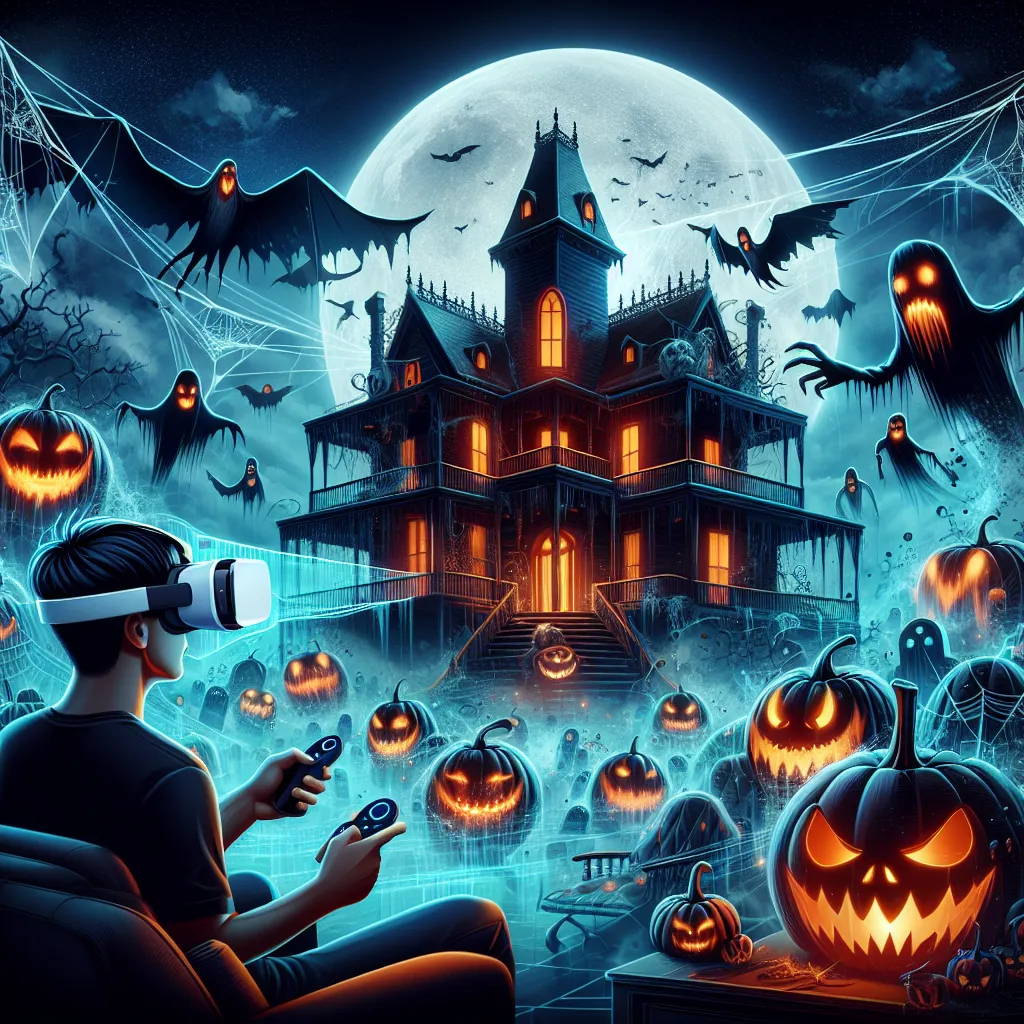
VR Haunted House: Creating a virtual reality haunted house experience that can be enjoyed from home. This could be sold as an app for VR headsets.
The Pitch
Traditional haunted house attractions require physical presence, limiting access to those nearby or able to travel, with constraints on operational hours and scalability. Additionally, pandemic restrictions and accessibility concerns for people with disabilities can further reduce potential engagement.
Solution Overview: Our solution, "SpecterVR", is a sophisticated virtual reality application that allows users to experience a haunted house from the comfort of their own homes. With SpecterVR, users can explore various haunting scenes and interact with environments that adapt to their reactions using AI-driven story arcs, ensuring a unique and immersive experience every time.
Target Audience: Our primary target audience includes: 1. Horror Enthusiasts - Individuals who enjoy horror films, games, and attractions. 2. VR Users - Tech-savvy consumers who already own or are interested in purchasing VR equipment. 3. Event Organizers - Those looking to host virtual events, particularly around Halloween. 4. People with Mobility Limitations - Individuals who find traveling to physical attractions challenging. 5. Global Users - Those without local access to haunted house experiences.
Value Proposition: SpecterVR offers thrilling and accessible haunted house experiences without the need to travel. Our unique AI-driven narrative changes dynamically, providing a personalized horror story that can be tailored to individual fear thresholds and preferences, promoting high repeatability. SpecterVR requires only a VR headset and internet connection, breaking geographical barriers.
Market Analysis: The global VR market is expected to grow significantly, with projections valuing it at over $12 billion by 2024. Entertainment and leisure constitute a substantial portion of this market. Virtual haunted houses predominantly face indirect competition from other VR entertainment forms and traditional haunted houses. However, SpecterVR stands apart with its customizable experiences and broad accessibility.
Implementation Plan: 1. Development Phase: Hire VR developers and storytellers to create initial environments by Q3 2023. 2. Testing Phase: Conduct extensive beta testing with diverse user groups to refine experiences and adjust AI responses. 3. Launch Phase: Launch an MVP by Q2 2024, with at least three different haunted experiences. 4. Marketing Phase: Collaborate with VR influencers and platforms, and use digital marketing strategies focusing on SEO and social media adverts. 5. Expansion Phase: Based on feedback and initial success, expand the story library and explore potential B2B opportunities with event organizers and educational programs about fear and VR technology.
Monetization Strategy: - Direct Sales: Selling the app on VR platforms such as Oculus Store and SteamVR. - Subscription Model: Offering a monthly subscription for users who desire regular updates and new experiences. - In-App Purchases: Providing additional customized experiences, such as themed adventures for special occasions. - Partnerships: Collaborating with VR hardware companies for bundling deals.
Impact Assessment: "SpecterVR" aims to redefine thematic entertainment by: - Increasing accessibility for individuals unable to visit physical locations. - Reducing the carbon footprint associated with travel to entertainment venues. - Encouraging cultural exchange by making a traditional Halloween experience globally accessible. - Promoting mental health benefits by providing safe, controlled adrenaline rushes and a method to test personal fears.
With a strategic approach to immersive VR experiences, SpecterVR sets a new standard for accessible, exciting, and personalizable entertainment.