Hive-Mind Middleware: Coordinating Real-World Robotics
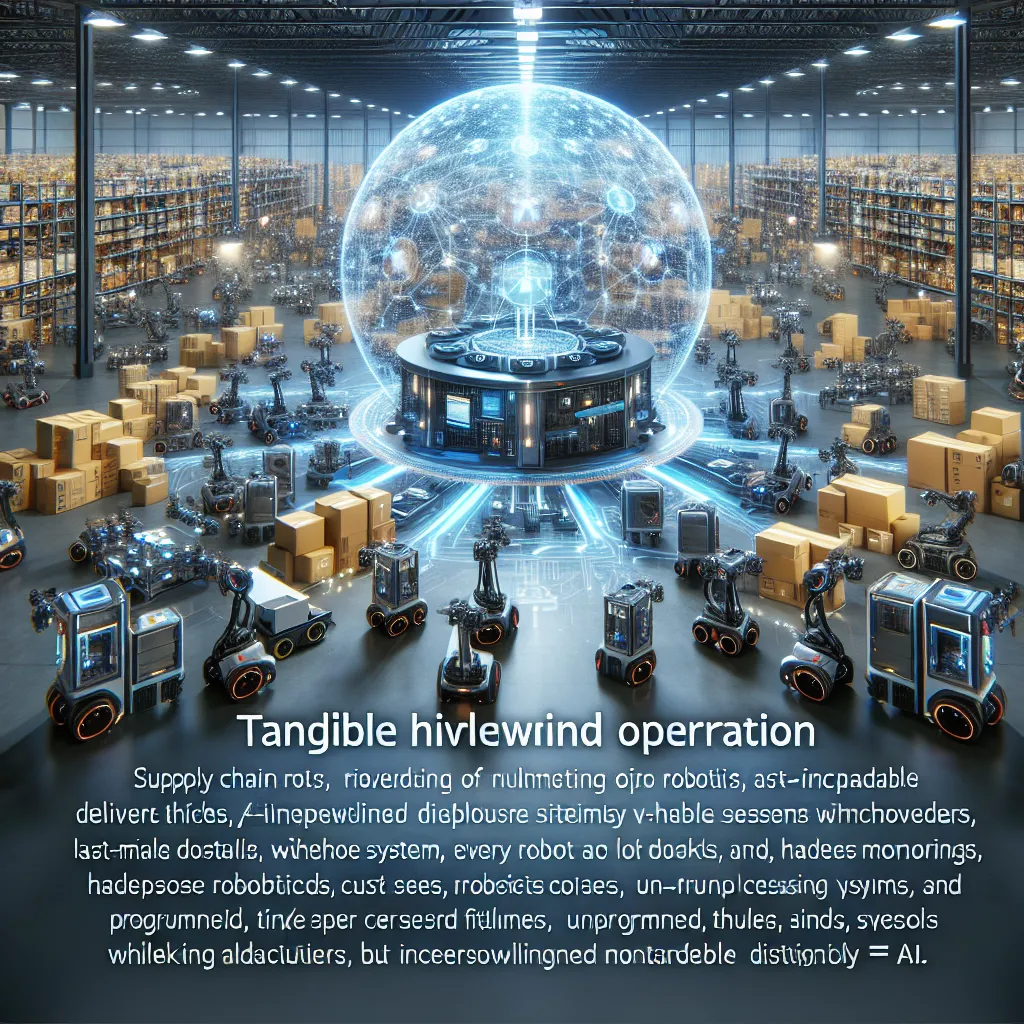
AI is leaving screens and entering the physical world, but the biggest bottleneck won’t be robots—it will be coordinating them. Supply chain robots, last-mile delivery, warehouse systems, and factory bots don’t speak the same language today. The opportunity is a “middleware brain for the physical world” that routes tasks, predicts conflicts, manages failures, and dynamically assigns workloads across fleets. Why now? Robotics prices are crashing, sensors are cheap, and AI is ready to choreograph the real world, not just software. Imagine a logistics center where every robot adapts in real time—not programmed, but coordinated like a hive.
Description
No additional description provided.
The Pitch
As artificial intelligence begins to permeate the physical world, it heralds a new era where robots and automated systems play significant roles in various industries. However, a critical challenge has emerged: these machines often operate in silos without the ability to communicate seamlessly with one another. This deficiency creates inefficiencies, particularly in sectors such as supply chain management, last-mile delivery, warehousing, and manufacturing. The potential solution lies in developing a sophisticated coordination platform, essentially a middleware brain for the physical world, that can bridge these communication gaps and enable a harmonious robotic ecosystem.
### Backstory
The evolution of AI and robotics over the past decade has been remarkable. Robotics prices have plummeted, and sensors have become both more affordable and advanced. AI systems are now capable of processing vast amounts of data with incredible speed and precision. Despite these advancements, the integration of diverse robotic systems into a cohesive operational framework remains a stumbling block. Current robotics operations rely heavily on manual programming, which is not only time-consuming but also inhibits adaptability and scalability. This has prompted a need for a solution that can manage and optimize robotic interactions dynamically.
### Problem
In industries that utilize robotic solutions, the lack of intercommunication between machines leads to several issues:
1. **Inefficiency**: Diverse systems work in isolation, causing overlaps and bottlenecks that reduce overall productivity. 2. **Scalability Challenges**: Adding new machines or shifting tasks across robots is cumbersome without a centralized coordination system. 3. **Adaptive Limitations**: Existing solutions often require extensive reprogramming to adjust to new tasks or conditions. 4. **Conflict and Error Handling**: Without a unified approach, predicting and resolving conflicts or system failures is challenging and reactive.
### Solution
The proposed solution is an advanced middleware platform designed to serve as an intelligent hub for robotic coordination. This platform would:
- Route tasks across different robotic systems to optimize efficiency. - Predict potential task conflicts and dynamically adjust operations in real time. - Manage failures by rerouting workloads and self-healing wherever possible. - Allow for the seamless integration of additional robots as operations scale.
### Product Details
- **Core Features:** Task routing, conflict prediction, dynamic task assignment, failure management. - **Integration:** API-driven connectivity allowing for easy integration with existing robotic systems regardless of manufacturer. - **Scalability:** Cloud-based architecture to support scaling from small operations to enterprise-level deployments. - **Intelligence:** Machine learning algorithms that continuously improve decision-making processes based on real-world data.
### Tools for Launch
To create a Minimum Viable Product (MVP), consider leveraging the following tools:
- **Cloud Platforms:** Utilize services like AWS or Google Cloud for hosting and computing needs. - **Integration & APIs:** Use tools like Zapier or Mulesoft for third-party integrations. - **Machine Learning Frameworks:** Leverage TensorFlow or PyTorch for developing the intelligent decision-making algorithms. - **Prototyping Tools:** Employ platforms like InVision or Figma for designing interfaces and user experiences.
### Go-To-Market Strategy (GTM)
1. **Target Market Identification:** Focus initially on large warehouses and logistics centers where the immediate impact can be measured and demonstrated. 2. **Pilot Programs:** Partner with early adopters to pilot the solution and gather valuable feedback. 3. **Partnerships:** Collaborate with robotics manufacturers and suppliers to bundle the middleware with their offerings. 4. **Demonstrations and Case Studies:** Develop compelling case studies to showcase efficiency improvements and ROI.
### Business Model
- **Subscription-Based Model:** Charge enterprises a monthly fee based on the number of connected robots and the scope of services utilized. - **Tiered Pricing:** Offer different tiers based on features, from basic task routing to advanced predictive analytics. - **Consulting Services:** Provide additional consulting for integration and optimization setup for complex operations.
This framework not only addresses the prevalent issues in robotic coordination but also positions the solution as a transformative force in the industries that rely heavily on automated systems.