Highway Sleep Pod: Personalized Drowsiness Solution
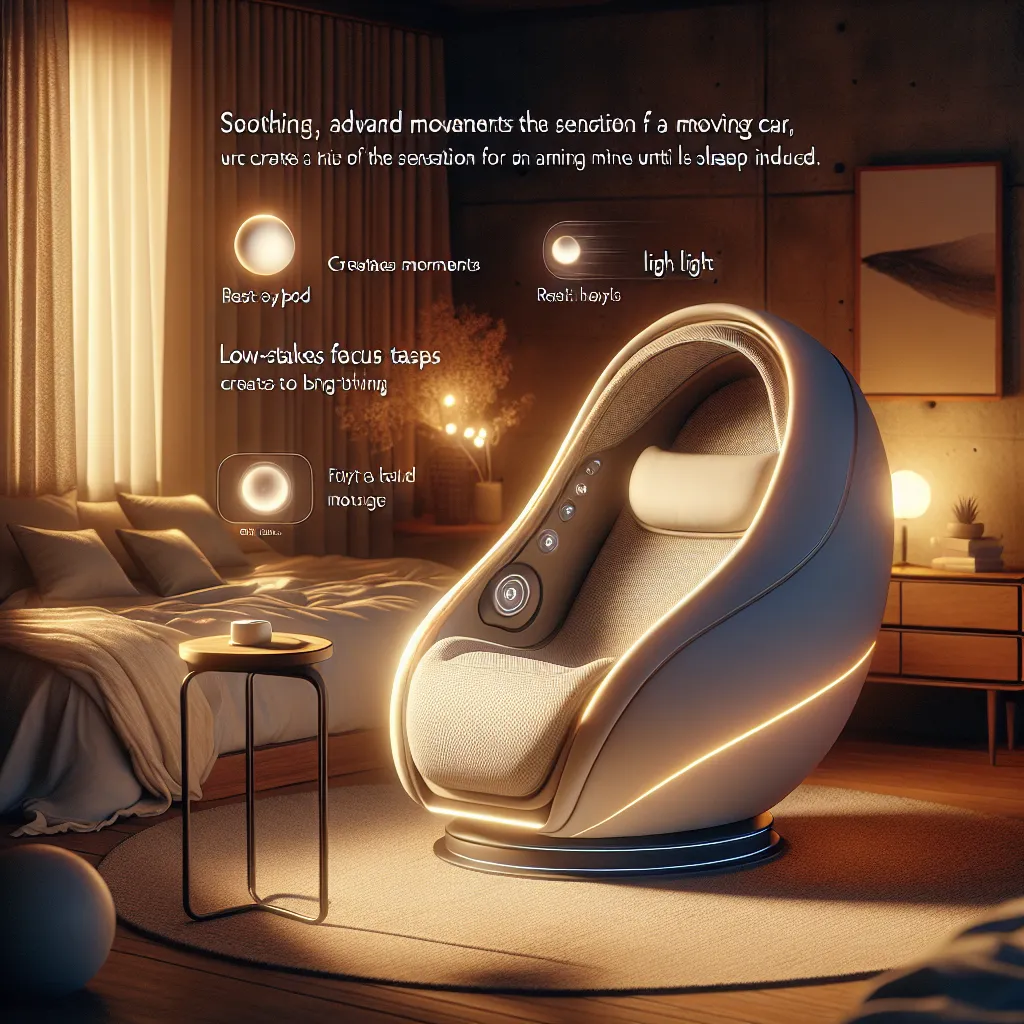
Insomnia treatments are mostly generic—meditation apps, sleep sounds, supplements—but many people have oddly specific triggers that make them sleepy, like being in a moving car. This creates an opportunity for a sleep product that recreates the physical and mental conditions of highway drowsiness without the actual danger: a pod, chair, or headset system that combines subtle motion, engine-like hum, dim shifting visuals, and low-stakes focus tasks to induce sleep. The timing makes sense because sleep tech is growing fast, consumer hardware is getting better, and people are more open to personalized health solutions that go beyond one-size-fits-all advice. A simple version could start as an adult “car seat for sleep” with rocking, ambient driving sounds, and guided focus prompts designed specifically for people who knock out the second they get behind the wheel.
Description
No additional description provided.
The Pitch
In the realm of insomnia treatments, there exists a gap. While a plethora of products like meditation apps, sleep sounds, and various supplements crowd the market, these solutions tend to be broadly generic. They often miss the mark for individuals with uniquely specific triggers for sleep induction. For many, the sensation of being in a moving car—with its gentle rocking motion, engine hum, and dim visual cues—serves as a powerful lullaby, yet recreating these precise conditions safely at home remains a challenge. This presents a significant opportunity to create a personalized sleep aid that emulates these specific triggers without the inherent risks of actual driving.
**Solution Overview:**
An innovative sleep product that simulates the calming conditions of a car journey could revolutionize sleep aids for those who find solace in highway drowsiness. This product aims to merge subtle motion, engine-like hum, dim shifting visuals, and low-stakes focus tasks to gently guide users into a restful state.
**Product Concept:**
The proposed product could take the form of a pod, chair, or headset system that replicates the elements of being in a vehicle conducive to sleep:
- **Design:** A comfortable seating arrangement mimicking a car seat, complete with safety and ergonomic considerations. - **Motion Simulation:** Gentle rocking or swaying to simulate the movement of a vehicle. - **Sound Environment:** Ambient driving sounds, such as engine hum and road noise, to provide auditory stimuli. - **Visual Elements:** Dim, shifting visuals to simulate the passing scenery, contributing to a sense of motion and relaxation. - **Focus Tasks:** Incorporating low-stakes mental engagements, similar to the situational awareness required while driving, to occupy the mind just enough to ease the transition to sleep.
**Technology and Tools for MVP Development:**
- **Hardware:** Utilize motion technology such as gyroscopes and actuators for motion simulation. Integrate speakers for soundscapes and LED screens for visual effects. - **Software:** Develop an app for user control over parameters such as motion intensity, sound levels, and visual preferences. - **Production Tools:** Employ rapid prototyping tools in the design phase, such as 3D printing, to refine the product efficiently.
**Go-to-Market Strategy:**
1. **Target Audience Identification:** Focus on young professionals, frequent travelers, and individuals with interrupted sleep patterns or mild insomnia. 2. **Market Validation:** Conduct pilot testing with prototypes, gathering feedback and demonstrating effectiveness through user testimonials and sleep quality metrics. 3. **Partnerships:** Collaborate with sleep clinics and wellness influencers for credibility and to reach a wider audience. 4. **Online Launch:** Begin sales through e-commerce platforms and direct-to-consumer channels, leveraging digital marketing strategies. 5. **Retail Expansion:** As the product gains traction, explore partnerships with lifestyle and electronics retailers for wider distribution.
**Business Model:**
- **Revenue Streams:** Primarily through unit sales, with potential for subscription models offering sound packs and visual experiences. - **Pricing Strategy:** Position it as an affordable yet effective premium sleep aid to justify the investment in specialized features. - **Customer Support:** Offer user-friendly support channels and a satisfaction guarantee to build trust and enhance user experience.
In conclusion, this uniquely tailored sleep solution not only addresses an often-overlooked niche within the sleep industry but does so by harnessing the latest in motion and sensory simulation technology. The growth in personalized health solutions, coupled with advancements in consumer hardware, makes now an opportune moment to bring this concept to life.