Healthcare Expenses with a Tax-Advantaged, Analytics-Driven Payment Solution
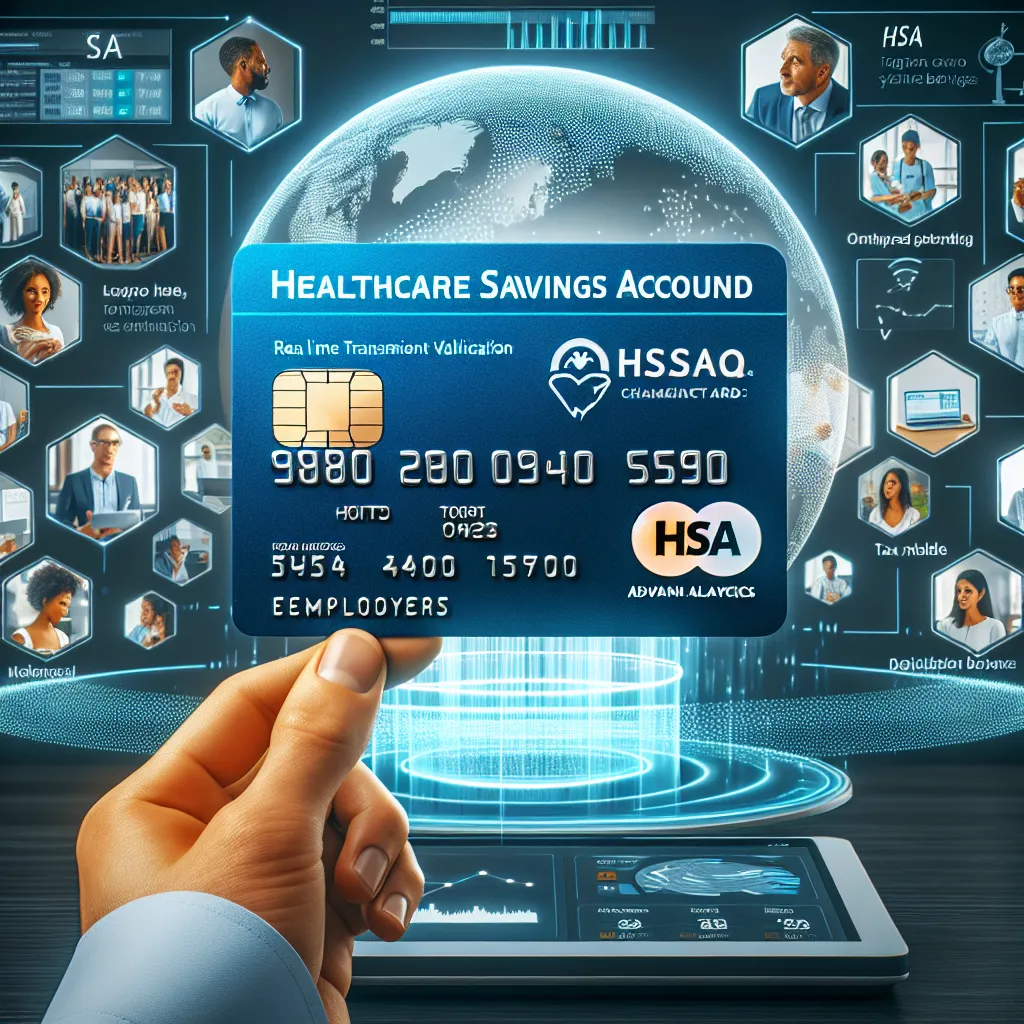
Description
A specialized payment card that integrates with healthcare savings accounts like HSAs, FSAs, and HRAs, streamlining tax-advantaged spending for healthcare expenses. The card would offer real-time transaction validation, ensuring compliance with tax laws, while providing employers and employees with advanced analytics to optimize healthcare spending. Personalized recommendations and alerts would help users manage their healthcare finances effectively. Additionally, the platform would support employers in making data-driven decisions about healthcare benefits, ultimately improving efficiency, transparency, and financial management within the healthcare system.
The Pitch
The idea of a Data-Driven Healthcare Card involves creating a specialized payment card that seamlessly integrates with existing healthcare savings accounts (HSAs), flexible spending accounts (FSAs), and health reimbursement arrangements (HRAs). This card would not only facilitate tax-advantaged spending for healthcare-related expenses but also provide powerful analytics and insights to employers and employees alike. The aim is to optimize healthcare spending, improve financial management, and enhance the overall healthcare experience for users.
Key Features:
Seamless Integration with HSAs/FSAs/HRAs:
The card would be directly linked to a user’s existing healthcare savings account, allowing them to easily pay for eligible medical expenses. The card would be pre-programmed with the rules and restrictions of the specific account (HSA, FSA, or HRA) to ensure that all transactions are compliant with tax laws and regulations. It would automatically categorize expenses, ensuring that only qualified medical expenses are charged to the account, reducing the risk of accidental disqualification or penalties. Real-Time Transaction Validation:
The card would employ real-time validation technology to confirm that each purchase qualifies as a healthcare expense. This feature would prevent non-qualified purchases from being approved, helping users maintain compliance with IRS regulations. The system could also provide immediate feedback to the user if a transaction is declined, offering explanations and suggesting alternative payment methods if necessary. Advanced Analytics and Reporting:
For employers, the card system would offer a comprehensive dashboard that provides insights into overall healthcare spending trends, employee utilization rates, and potential areas for cost savings. Employers could analyze how different healthcare services are being used across their employee base, enabling them to make more informed decisions about future healthcare plan offerings and wellness programs. Employees would have access to a personal dashboard where they could track their own healthcare spending, set budgeting goals, and receive personalized recommendations on how to maximize their healthcare dollars. Personalized Recommendations and Alerts:
The card’s platform could use AI and machine learning to analyze spending patterns and provide personalized recommendations to users. For example, it might suggest switching to a generic drug to save money or remind users of upcoming preventive care appointments. Alerts could be sent when users are approaching their account limits or when certain benefits are underutilized, encouraging them to take full advantage of their available healthcare resources. Tax Optimization and Planning:
The system would be designed to help users maximize their tax advantages. For instance, it could suggest the optimal times to contribute to their HSA based on their spending patterns or alert them to upcoming deadlines for using FSA funds. Employers could use these insights to design better benefits packages that align with their employees’ spending behaviors, potentially leading to increased satisfaction and retention. Customizable Spending Rules:
Employers could set specific spending rules and limits on the card, tailored to their company’s healthcare plan. For instance, they might restrict the card’s use to in-network providers or specific types of care that align with their wellness initiatives. Employees could also customize their card settings based on personal preferences or medical needs, such as prioritizing spending on certain types of care or saving for future expenses. Data Security and Privacy:
Given the sensitive nature of healthcare data, the card would employ state-of-the-art encryption and security protocols to protect user information. Users would have control over their data, with options to manage privacy settings and decide who can access their spending information. Benefits:
For Employers:
Cost Optimization: By providing detailed insights into healthcare spending, employers can better manage their healthcare budgets, potentially reducing overall costs while still offering competitive benefits. Informed Decision-Making: Employers can make data-driven decisions about healthcare plan design, benefit offerings, and wellness programs based on actual utilization data. Employee Satisfaction: A well-managed healthcare benefits program, supported by a smart payment card, can lead to higher employee satisfaction and retention. For Employees:
Ease of Use: The card simplifies the payment process for medical expenses, eliminating the need to submit claims or worry about reimbursement delays. Financial Management: Employees can better manage their healthcare finances, track their spending, and ensure they are maximizing their tax-advantaged accounts. Personalization: With tailored recommendations and alerts, employees can make more informed healthcare decisions, potentially improving their overall health outcomes. For the Healthcare System:
Increased Transparency: The card’s ability to track and report spending in real time can lead to greater transparency in healthcare pricing and spending. Improved Efficiency: By automating many of the manual processes involved in healthcare payments, the system could reduce administrative overhead and improve efficiency across the board. Market Opportunity:
The market for such a Data-Driven Healthcare Card is vast, given the significant spending on healthcare by both employers and employees in the U.S. The card would appeal to large corporations, small businesses, and individual consumers who are looking for ways to optimize their healthcare spending. With rising healthcare costs and increasing demand for transparency and efficiency, this product could fill a critical gap in the market.
Challenges and Considerations:
Regulatory Compliance: Ensuring the card complies with all relevant healthcare and financial regulations will be crucial, particularly as healthcare laws and tax codes evolve. Adoption and Integration: Convincing employers to adopt the card and integrate it into their existing benefits systems may require significant effort, particularly in industries with established benefits providers.
User Education: Educating both employers and employees on how to use the card effectively will be key to its success, particularly given the complexity of healthcare spending and tax rules. In summary, the Data-Driven Healthcare Card represents a significant innovation opportunity at the intersection of healthcare and fintech, offering benefits for all stakeholders involved while addressing some of the most pressing challenges in the current healthcare system.