Handheld Device for Early Neurological Disorder Detection
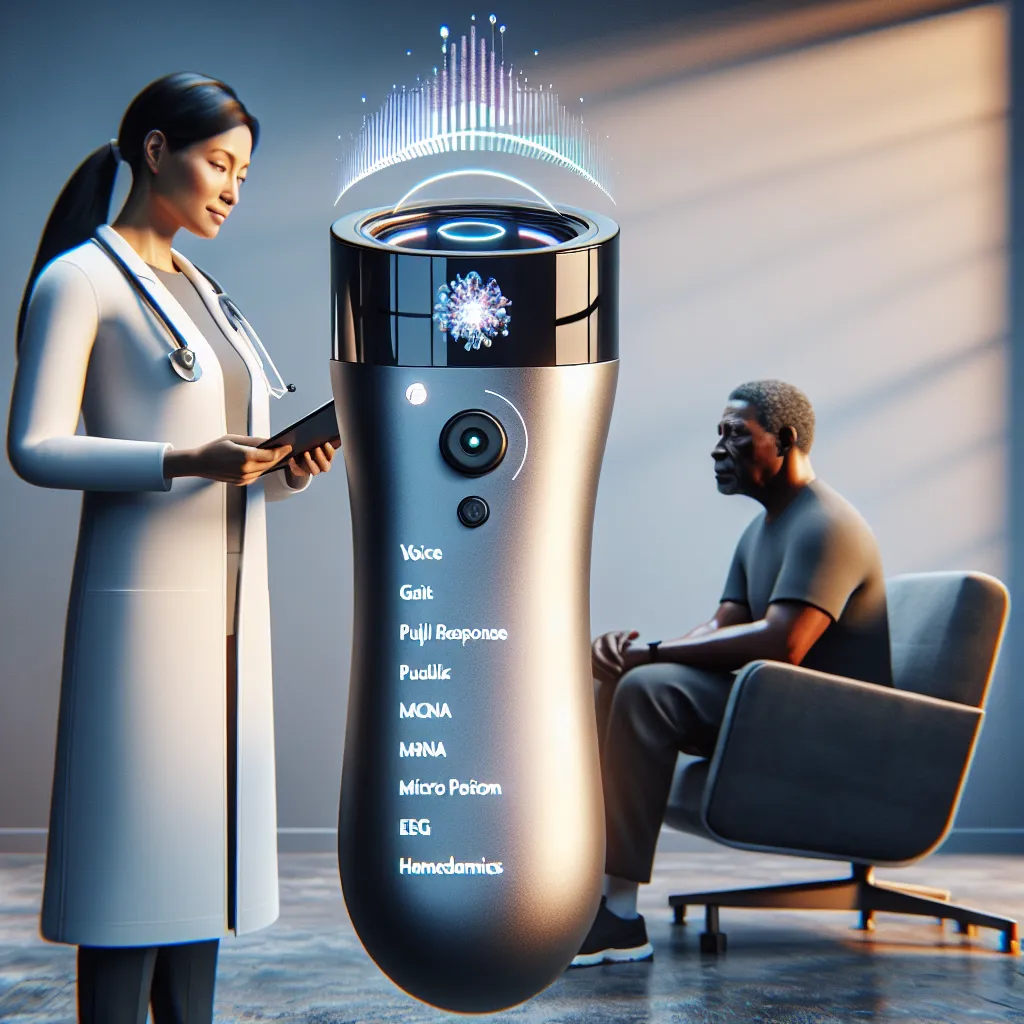
Early detection of neurological or psychiatric disorders—like Parkinson’s, Alzheimer’s, or psychosis—is often limited by subjective evaluation or late-stage symptoms. This startup would create a handheld diagnostic device that scans non-invasive biomarkers like voice, gait, pupil response, microRNAs, or EEG patterns to detect early warning signs. Advances in biosensors and edge computing enable this kind of real-time portable testing. The broader shift toward preventive care and remote diagnostics supports its growth. For example, a primary care provider could use this tool during annual checkups to screen for cognitive decline, flagging patients for early Alzheimer’s interventions—long before serious symptoms emerge.
Description
No additional description provided.
The Pitch
Neurological and psychiatric disorders, such as Parkinson’s, Alzheimer’s, and psychosis, pose significant challenges in healthcare due to their often late-stage diagnosis. Traditional diagnostic methods rely heavily on subjective evaluation and noticeable symptoms, which might not emerge until the condition has progressed significantly. By the time these disorders are identified, effective intervention opportunities can be limited. There is a pressing need for solutions that enable earlier detection and intervention.
**Problem Statement**
The current landscape of diagnosing neurological and psychiatric conditions is hindered by several factors:
1. **Subjectivity and Delays**: Diagnostic processes often depend on subjective assessments by healthcare professionals, leading to inconsistencies and delays in identifying the disorders.
2. **Late-Stage Symptom Recognition**: Many conditions are diagnosed only after prominent symptoms develop, by which time progressive brain changes may have already taken place.
3. **Limited Access to Diagnostic Tools**: Many advanced diagnostic tools are expensive, not portable, and confined to specialized centers, limiting their accessibility during routine medical checkups.
**Proposed Solution**
To address these challenges, a novel solution involves developing a handheld diagnostic device capable of scanning non-invasive biomarkers such as voice patterns, gait, pupil response, microRNAs, and EEG patterns. These biomarkers have been identified as early indicators of neurological and psychiatric disorders, allowing for quicker and potentially earlier detection.
**Product Details**
- **Device Specifications**: The proposed handheld device will integrate advanced biosensor technology and edge computing capabilities to analyze biomarkers in real-time. It will be designed to be user-friendly for healthcare practitioners.
- **Technology Integration**: Leveraging advancements in biosensor miniaturization and edge computing, the device is capable of processing large amounts of data locally and providing instant diagnostic insights.
- **Non-Invasive and Portable**: Easy to use in a variety of settings, this device can be incorporated into routine health assessments, making it accessible for widespread screening.
**Tools for MVP Development**
1. **Prototyping Platforms**: Utilize platforms like Arduino or Raspberry Pi to build early prototypes and test the integration of biosensors and data processing units.
2. **Software Development Kits (SDKs)**: Employ SDKs for voice recognition, and EEG analysis, and mobile development to accelerate software creation and functionality testing.
3. **Cloud Services**: Leverage cloud computing services such as AWS or Google Cloud for data storage and additional computational power if necessary.
**Go-To-Market (GTM) Strategy**
1. **Partnerships with Healthcare Providers**: Collaborate with hospitals and clinics for pilot testing and gathering crucial feedback.
2. **Targeted Marketing**: Focus initial efforts on primary care practices and memory clinics, where routine checkups can incorporate the screenings effectively.
3. **Educational Campaigns**: Conduct campaigns to educate healthcare professionals about the benefits of early detection and preventive care.
**Business Model**
- **Subscription Service**: Offer the device through a subscription model to healthcare providers, with tiered levels based on usage needs.
- **Data Insights Platform**: Develop an accompanying platform that provides actionable insights and trend analysis for healthcare professionals, billed separately as a premium service.
- **Service and Maintenance Contracts**: Provide after-sales service and regular device maintenance contracts to ensure reliable operation.
**Conclusion**
By innovating the diagnostic approach with a handheld device capable of detecting early warning signs of neurological and psychiatric disorders, this initiative can transform preventive healthcare. It not only facilitates early intervention but also aligns with the broader industry shift towards preventive care and remote diagnostics. Expanding this technology can lead to significant improvements in patient outcomes and healthcare efficiency.