GLP-1 Tailored Meals: High-Protein, Low-Volume Solutions
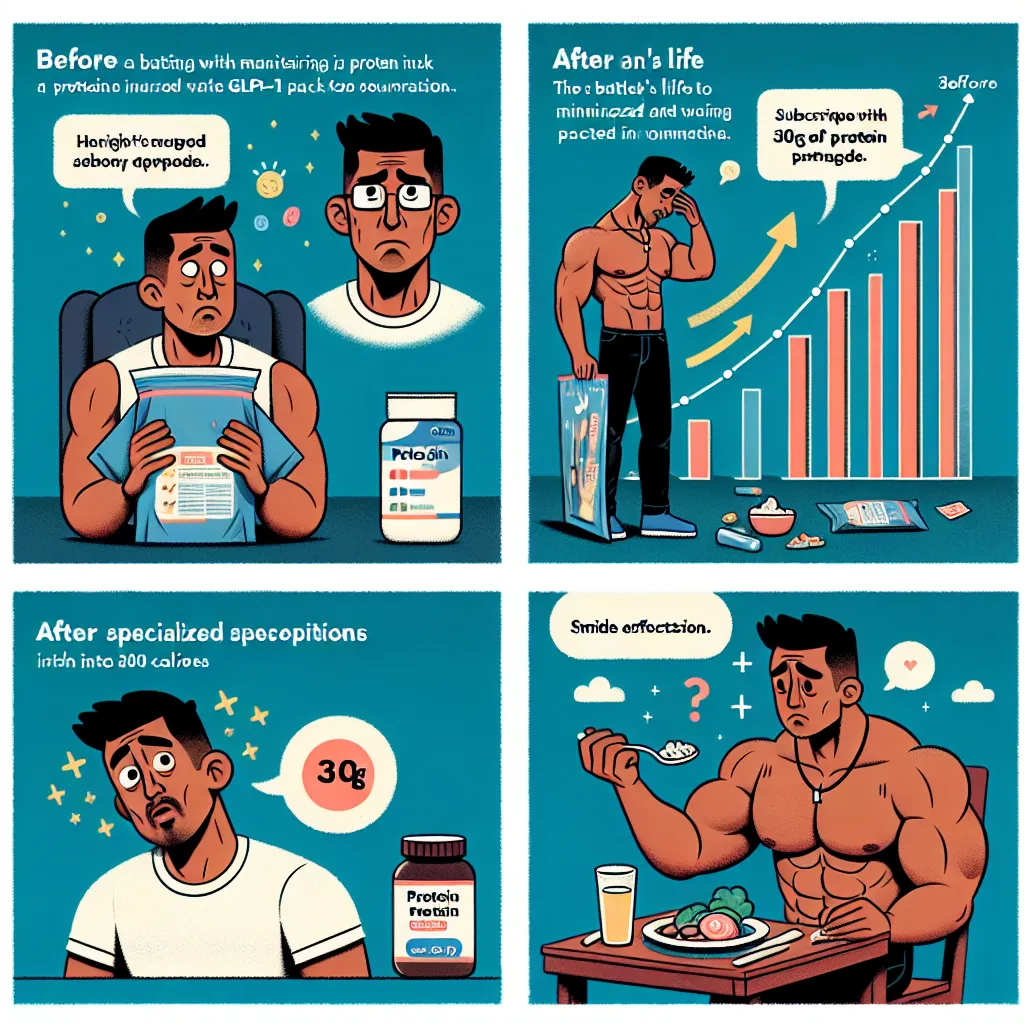
GLP-1 users have fundamentally different nutritional needs: they get full after a few bites, can’t tolerate certain fats, and often feel nauseous from normal meal sizes. Without tailored nutrition, they under-eat protein, lose muscle mass, and struggle with digestion. A GLP-1-optimized food service would deliver low-volume, high-protein meals engineered around the physiology of people on these drugs — meals that maximize satiety, preserve lean mass, and minimize gastric distress. This matters now because GLP-1 prescriptions are exploding, but nutrition guidance hasn’t caught up; users are left guessing what they can eat without feeling sick. Picture Jason, 36, who can’t hit his protein goals because even six bites feel like a full meal; he switches to this service, each dish engineered to pack 30 grams of protein into 300 calories, and suddenly his side effects drop while his strength holds steady during rapid weight loss.
Description
No additional description provided.
The Pitch
As the use of GLP-1 medications becomes increasingly common for weight management and diabetes treatment, a unique set of nutritional challenges emerges. People using these drugs often experience early satiety, intolerance to certain foods, and gastrointestinal discomfort with regular meal sizes. The disconnect between these physiological effects and current dietary options presents a significant gap in the market for specialized nutrition solutions.
**Background**
GLP-1 (Glucagon-like Peptide-1) users face a distinct set of nutritional needs that remain largely unmet. As these medications gain popularity, especially for their effectiveness in promoting weight loss and glycemic control, patients find themselves navigating a dietary landscape that hasn't adapted to cater to their specific requirements. Traditional meals fail to meet their nutritional goals as they often lead to under-consumption of protein, muscle mass loss, and digestive issues.
**Problem**
The primary issue lies in the lack of dietary solutions specifically engineered for individuals on GLP-1 therapy. For example, Jason, a 36-year-old on GLP-1 medication, struggles to meet his protein intake goals. Normal meal portions become overwhelming, leading him to consume inadequate nutrition, especially protein, resulting in decreased muscle mass and energy levels.
**Solution**
The proposed solution is a GLP-1-optimized food service. This service would focus on providing low-volume, high-protein meals specifically designed for the physiological needs of GLP-1 users. By doing so, the service aims to ensure that individuals like Jason can comfortably consume the necessary nutrients without experiencing discomfort.
**Product Details**
- **Meal Composition**: Each meal will offer approximately 30 grams of protein within a 300-calorie serving, ensuring users receive adequate nutrition without exceeding their reduced satiety limits. - **Ingredients**: The meals will be crafted using easily digestible, nutrient-dense ingredients, minimizing the intake of troublesome fats and other elements known to exacerbate gastric discomfort. - **Customization**: Options for different dietary needs (e.g., vegetarian, gluten-free) will be included to enhance user experience and optimization.
**Tools for Launching an MVP**
- **Research and Development**: Collaborate with nutritionists and food scientists to design and test meal compositions. - **Supply Chain Setup**: Partner with local farmers and food suppliers to source fresh, quality ingredients. - **Tech Platform**: Develop a user-friendly app or website for meal selection, customization, and subscription management. - **User Testing**: Conduct a pilot program with a select group of GLP-1 users to refine meal offerings and gather feedback.
**Go-To-Market Strategy**
1. **Target Audience**: Focus initially on areas with high rates of GLP-1 prescriptions and health facilities. 2. **Partnerships**: Collaborate with healthcare providers and clinics to reach potential customers and build trust. 3. **Digital Marketing**: Utilize targeted online advertising and influencer partnerships to increase brand awareness among potential users. 4. **Content Marketing**: Create educational content around GLP-1 nutrition, leveraging blogs, videos, and newsletters to engage and inform the audience.
**Business Model**
- **Subscription-Based Service**: Offer various subscription tiers based on meal frequency and customization levels. - **Direct-to-Consumer**: Meals delivered directly to the customer's doorstep, enhancing convenience and accessibility. - **Healthcare Provider Plans**: Create partnerships with clinics and hospitals to offer meal plans as part of weight management or diabetes care programs.
**Conclusion**
The increasing use of GLP-1 medications has highlighted a significant opportunity in the nutrition space. By developing a specialized meal service tailored to the needs of these users, we can improve health outcomes, enhance quality of life, and fill a critical gap in the current market.