Global Marketplace for Rare-Cancer Research Compounds
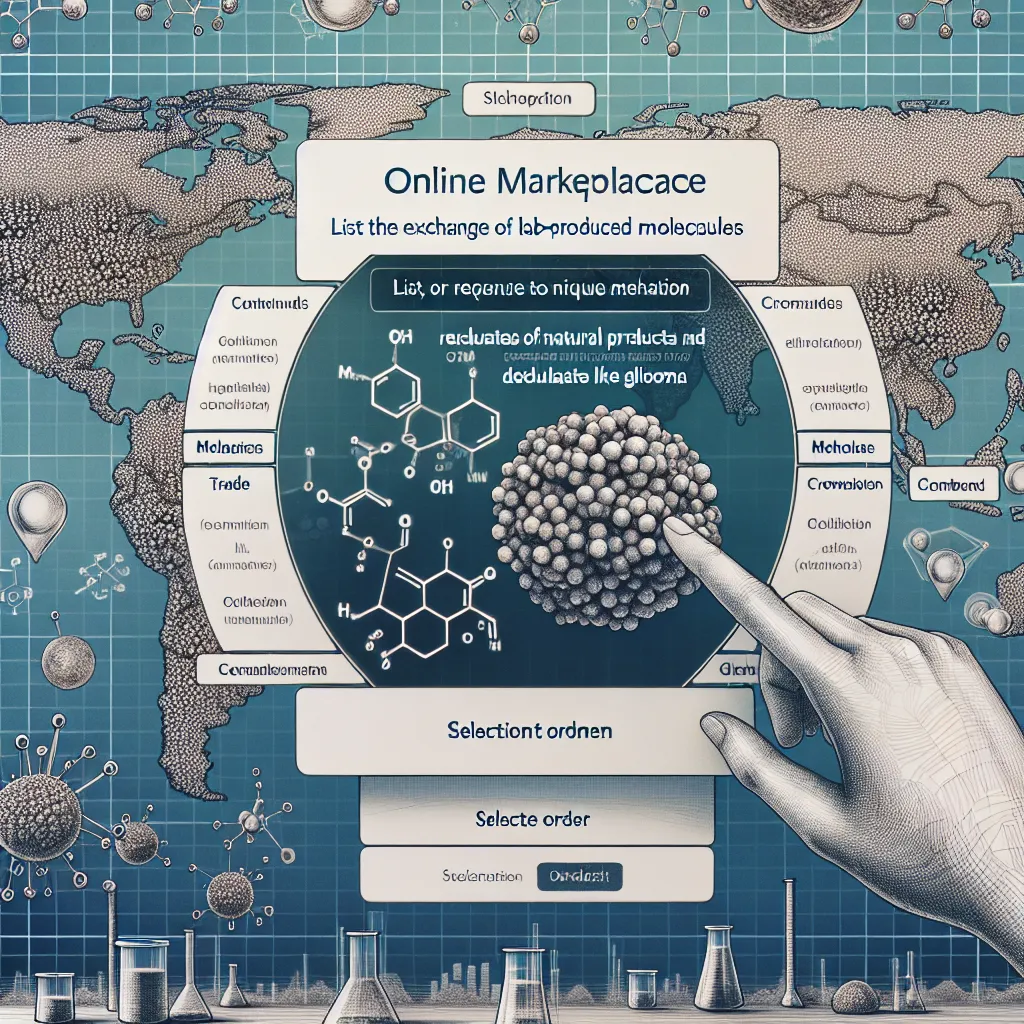
Rare-cancer researchers often lack access to unique or newly synthesized molecules that could be relevant to their tumor type. Most compounds sit siloed in individual labs with no discovery mechanism. The solution is a secure marketplace where labs worldwide can list, request, trade, or license small quantities of natural products and derivatives tailored to specific mechanistic profiles. It’s possible now because total synthesis methods allow consistent supply and reproducible structure—MIT’s work validated that high-complexity molecules can be standardized. A glioma researcher could browse compounds that modulate methylation, order micrograms for screening, and instantly access derivative catalogs uploaded by partner chemists.
Description
No additional description provided.
The Pitch
The realm of cancer research, particularly in the study of rare cancers, is often hindered by a critical challenge: the lack of access to unique or newly synthesized molecules that could significantly impact research and treatment. Researchers frequently encounter obstacles in obtaining these rare compounds, as most are confined to specific labs without any clear mechanism for discovery or sharing. This situation not only impedes scientific advancement but also delays potential breakthroughs in understanding and treating rare cancers.
Problem Statement
The central issue faced by rare-cancer researchers is the inaccessibility of bespoke molecules that align with particular tumor types. While individual labs around the world may develop or acquire these valuable compounds, the absence of a centralized platform for discovery and exchange means these resources often remain underutilized. This siloed approach not only limits cross-collaboration but also slows down the pace at which new cancer therapies can be developed and tested.
Proposed Solution
To address this significant gap, a secure, global marketplace is proposed. This platform would enable laboratories worldwide to list, request, trade, or license small quantities of natural products and their derivatives. The focus would be on molecules tailored to specific mechanistic profiles that are of interest to cancer researchers. This solution is made viable by advances in total synthesis methods, which ensure consistent supply and reproducible molecular structures. Recent work by MIT has demonstrated that high-complexity molecules can now be standardized, laying the groundwork for such a marketplace.
Product Details
The envisioned platform would feature the following components:
1. **User-Friendly Interface**: An intuitive search and browse function for researchers to easily find molecules associated with specific cancer mechanisms, such as methylation modulators for glioma studies.
2. **Comprehensive Database**: A catalog of derivative molecules, uploaded by partner chemists, ensuring a wide variety of options for researchers seeking to experiment with modifications.
3. **Secure Exchange Mechanism**: A robust trading and licensing system to facilitate international exchange of molecules, with strict compliance to legal and safety regulations.
4. **Collaboration Tools**: Features that promote collaboration among researchers and chemists, including forums, messaging, and joint project management capabilities.
Tools for MVP Launch
To effectively launch this marketplace as a Minimum Viable Product (MVP), the following tools and technologies can be utilized:
1. **Web Development Frameworks**: Use modern frameworks like React or Angular for front-end development, and Node.js or Django for back-end functionality.
2. **Database Management**: Implement databases such as PostgreSQL or MongoDB to manage a large catalog of molecules and user data.
3. **Data Security**: Use encryption protocols and compliance management tools to ensure that all transactions and exchanges are secure.
4. **API Development**: Create APIs that allow easy integration with laboratory information systems and other research databases.
GTM Strategy
The Go-To-Market (GTM) strategy would focus on:
1. **Partnerships**: Forge alliances with leading research institutions, pharmaceutical companies, and chemical synthesis labs to populate the marketplace with an initial stock of molecules.
2. **Marketing Campaigns**: Launch targeted campaigns aimed at research communities, leveraging scientific journals, conferences, and online platforms.
3. **Community Building**: Develop an online community to engage early adopters, gather feedback, and create case studies demonstrating the platform’s impact.
4. **Pilot Programs**: Initiate pilot programs with selected labs to refine the platform’s features and establish proven use cases.
Business Model
The business model could involve a subscription-based access for researchers and institutions, along with transaction fees for trades and licensing. Additionally, premium services such as advanced data analytics or bespoke synthesis consulting could provide additional revenue streams. The initial focus would be to create value through accessibility and reliability, gradually expanding the marketplace offerings as adoption grows.
With these elements in place, this marketplace has the potential to significantly accelerate rare cancer research by providing crucial access to the compounds researchers need in their quest for groundbreaking discoveries.