Gig Marketplace App for Local Home Bakers
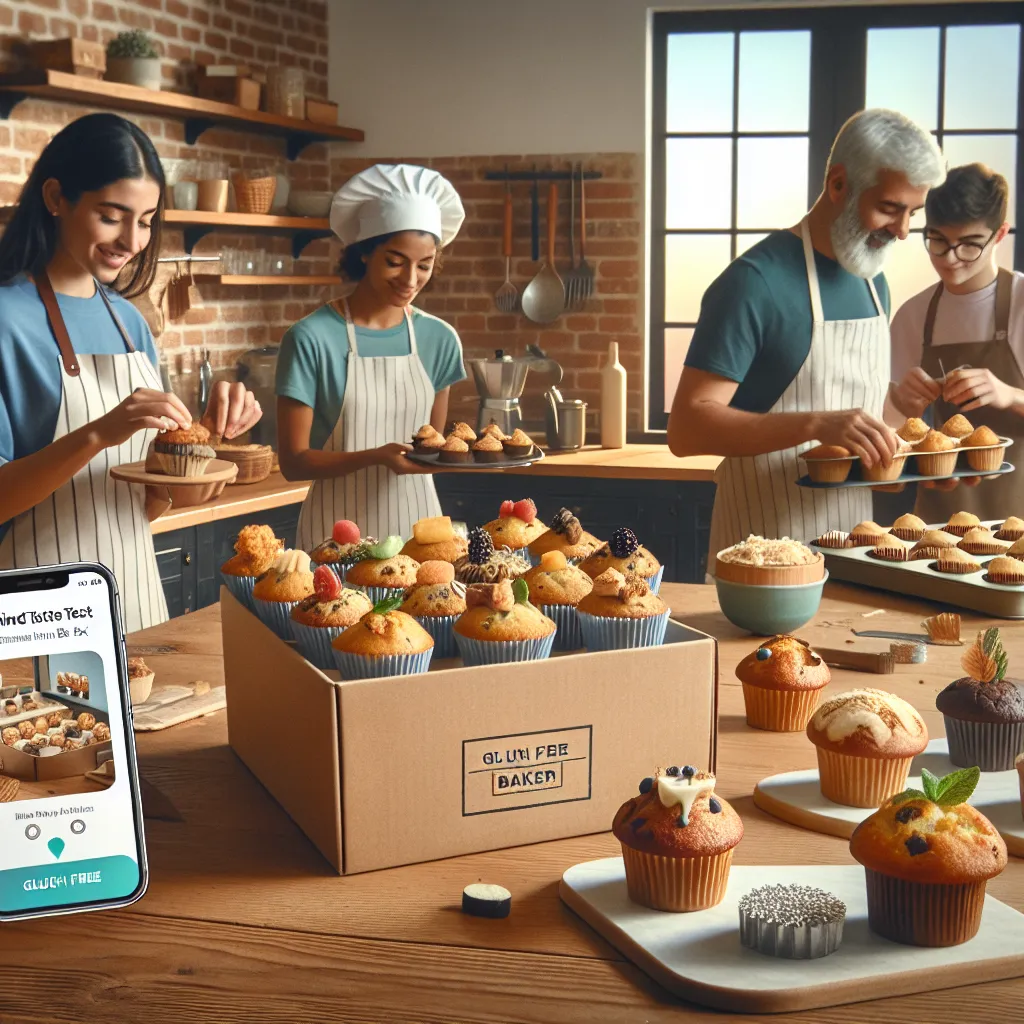
Amateur bakers face hurdles in selling their goods due to licensing and customer reach limitations. A gig-based marketplace app enables them to list offerings flexibly, catering to local buyers with specific dietary needs. By including a “blind taste test box” feature, users can sample various bakers' goods anonymously, ensuring quality without bias. Community-driven food platforms like Cottage Food movements demonstrate demand. Picture a gluten-free consumer ordering a box of assorted muffins from local bakers, comparing flavors without stepping into a bakery.
Description
No additional description provided.
The Pitch
Amateur bakers often struggle with turning their passion into a viable business. Many face hurdles such as stringent licensing requirements and difficulties in reaching potential customers. These challenges can be particularly daunting for those who create niche products like gluten-free, vegan, or other specialty items catering to individuals with specific dietary needs.
To address these issues, imagine an innovative solution: a gig-based marketplace application designed specifically for amateur bakers. This platform enables bakers to list their offerings with ease and flexibility while connecting them with local buyers. The focus is on creating a seamless way for consumers to discover and purchase baked goods that cater to their preferences and dietary requirements.
One of the standout features of this marketplace app is the blind taste test box. This allows consumers to order a selection of baked goods from various local bakers without knowing which baker produced which item. This approach ensures that selections are made based on the quality of the product alone, without any preconceived biases or reputations influencing decisions.
The platform would draw inspiration from successful community-driven food initiatives, such as the Cottage Food movements, which highlight the existing demand for locally produced and specialty food items. For example, imagine a gluten-free consumer who can easily order a box of assorted muffins created by different local bakers. They receive the box at their door, allowing them to sample and compare flavors from the comfort of their home without the need to visit multiple bakeries.
To launch such a marketplace as a minimum viable product (MVP), utilizing no-code or low-code development tools could be advantageous. Platforms like Bubble, Glide, or Adalo can facilitate the rapid building and deployment of the app with minimal technical expertise. These tools would allow for quick prototyping and iterative testing with initial users to refine the product based on feedback.
The go-to-market strategy would leverage social media, local food and community groups, and partnerships with local farmers markets to create awareness and drive user adoption. Engaging with local baking communities and influencers could also provide organic growth and help foster a sense of community within the platform.
As for the business model, the app could operate on a commission-based system, where a percentage of each sale goes to the platform. This aligns the success of the platform with the success of the bakers, providing a sustainable revenue stream. Additionally, premium services, such as enhanced listing visibility or advanced analytics for bakers, could be offered on a subscription basis.
This marketplace not only empowers amateur bakers to reach a broader audience but also provides consumers with a unique and convenient way to enjoy a diverse range of high-quality baked goods tailored to their tastes.