GenOS: Adaptive Childhood Operating System
What if Gen Alpha didn’t just use apps—but grew up inside a fully personalized, adaptive operating system designed to evolve with them? GenOS is a platform that replaces the patchwork of education apps, mental health tools, games, and productivity tools with a unified, child-centered OS. From ages 5 to 18, GenOS would adapt to each kid’s learning style, emotional needs, social dynamics, and fandoms. It would start with a playful interface for early learners, shift into gamified organization tools by pre-teen years, and unlock creative, entrepreneurial environments for teens—powered by AI co-pilots and ethical personalization. Every app, avatar, and experience would be modular and co-created with the user over time. Based on the GWI insights that Gen Alpha expects hyper-personalization, visual-first interaction, and AI integration by default, this OS isn’t just a tool—it becomes a digital home, identity layer, and lifelong learning engine. It’s the next frontier after iPads, after TikTok, after apps. No one is building it yet—but someone will.
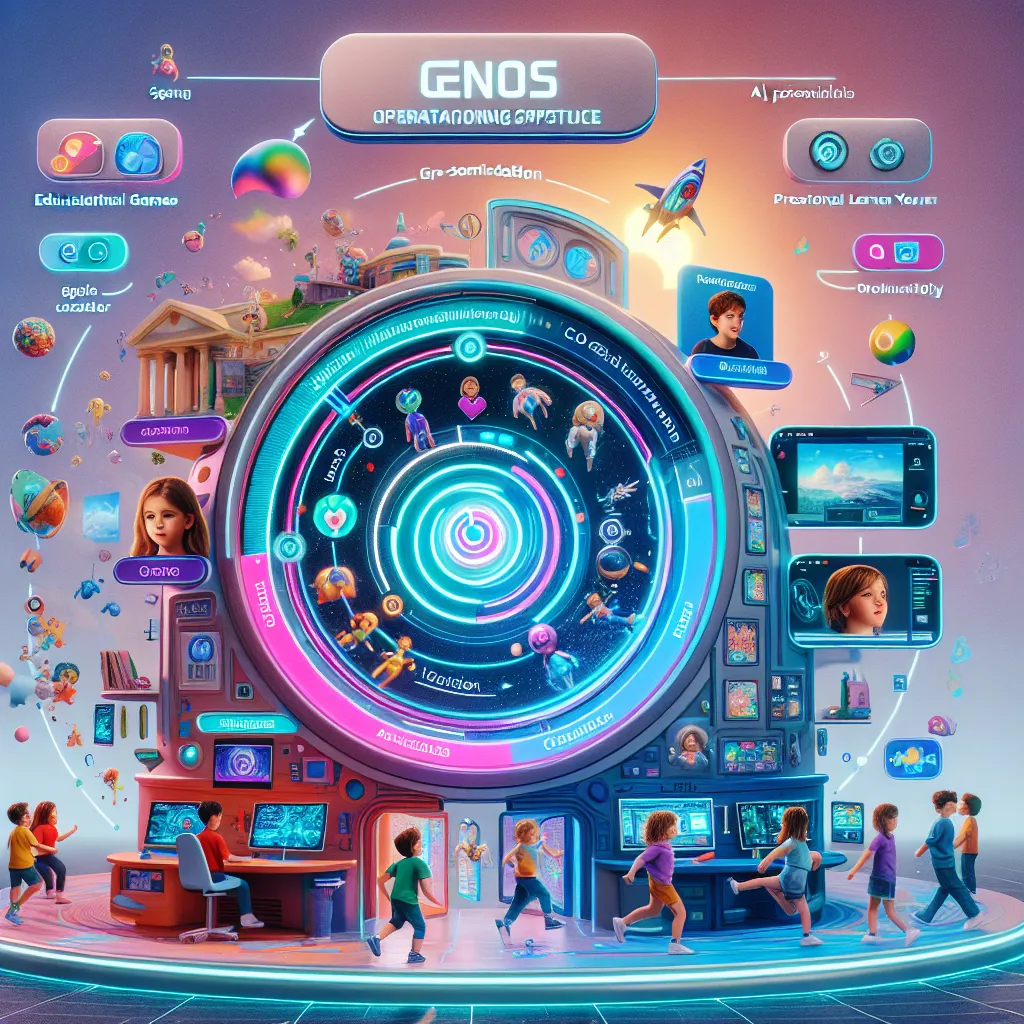
Description
No additional description provided.
The Pitch
Imagine a digital ecosystem where children don't just interact with disparate apps but grow within a constantly evolving, personalized operating system designed specifically for their development. This is the vision for GenOS, a transformative platform that integrates education, mental health support, entertainment, and productivity into a unified experience tailored for Gen Alpha. Covering the critical development years from ages 5 to 18, GenOS promises to adapt seamlessly to each child’s unique learning style, emotional well-being, social interactions, and personal interests.
Backstory:
Over the past decade, children of Gen Alpha have been surrounded by technology: education apps, social media, and games—all vying for their attention without truly catering to their developmental needs. Research from GWI highlights that this generation expects hyper-personalization, visual-first design, and AI integration as the default. Despite this knowledge, the current market still offers a fragmented experience. The need for a cohesive, personalized digital environment has never been more pressing. GenOS aims to fill this gap by becoming not just a tool, but an extension of the user’s identity and a lifelong learning companion.
Problem:
Today’s digital landscape for children is a jigsaw puzzle of separate applications that do not communicate or evolve with the user. This disjointed experience can lead to cognitive overload, lack of engagement, and missed opportunities for holistic development. Gen Alpha grows up expecting seamless integration and adaptive technologies, yet there is no single platform that grows alongside them, addressing their changing needs from childhood through adolescence.
Solution:
GenOS offers a unified child-centered operating system that transitions alongside the user from playful beginnings to creative, entrepreneurial engagement in teenage years. It offers a modular framework where every facet, from education to entertainment, is co-created with the user, continually personalized through AI advancements. By offering a visually engaging, hyper-personalized experience, GenOS positions itself as a digital home and identity layer that evolves with each child, cultivating both their potential and digital citizenship.
Product Details:
1. **Interface Evolution**: Starts with a user-friendly interface for young children, gradually shifting into gamified tools for preteens, and transitioning into AI-assisted environments for teenagers.
2. **Ethical Personalization and AI Co-pilots**: AI-driven personalization ensuring content and interaction that evolves responsibly with the user’s growth and interests, guided by ethical frameworks.
3. **Modular and Co-created Experiences**: Children can customize their digital space with modular apps and experiences that they help design, encouraging creativity and personal investment.
4. **Lifelong Learning Engine**: Continuously provides educational resources and tools that adapt in complexity and focus, ensuring users are challenged and engaged throughout different stages of their development.
Tools for Launching MVP:
1. **Low-code/No-code Platforms**: Utilize platforms like Bubble or Adalo to quickly prototype the initial user interface and experience.
2. **AI Toolkit**: Implement open-source AI frameworks such as TensorFlow or PyTorch to develop personalized algorithms and learning modules.
3. **Collaborative Design Software**: Tools like Figma or Adobe XD can facilitate the design of an engaging and adaptive UI/UX suitable for children.
GTM Strategy:
1. **Partnerships with Educational Institutions**: Collaborate with schools to pilot the platform and integrate it into existing curricula as a supplemental digital learning environment.
2. **Community Engagement**: Develop a community around the product, engaging educators, parents, and children to contribute ideas and feedback, fostering a sense of ownership and investment.
3. **Influencer Campaigns Targeted at Parents**: Leverage respected figures in education and child development to advocate for the benefits of GenOS.
4. **Freemium Model with a Subscription Tier**: Provide a free basic version to encourage widespread adoption, with premium educational resources and customization options available through subscription.
Business Model:
- **Freemium**: Attract a large user base with free access, then offer premium features and content for a subscription fee.
- **Partnership Licensing**: Schools and educational platforms can license the technology, creating a new revenue stream.
- **In-App Purchases**: Offer additional customization options and educational content for purchase.
By anticipating the needs of Gen Alpha and providing a platform that grows with them, GenOS is positioned to revolutionize the digital lives of children, becoming the definitive operating system of their formative years.