Genetic Testing to Personalize Antipsychotic Prescriptions
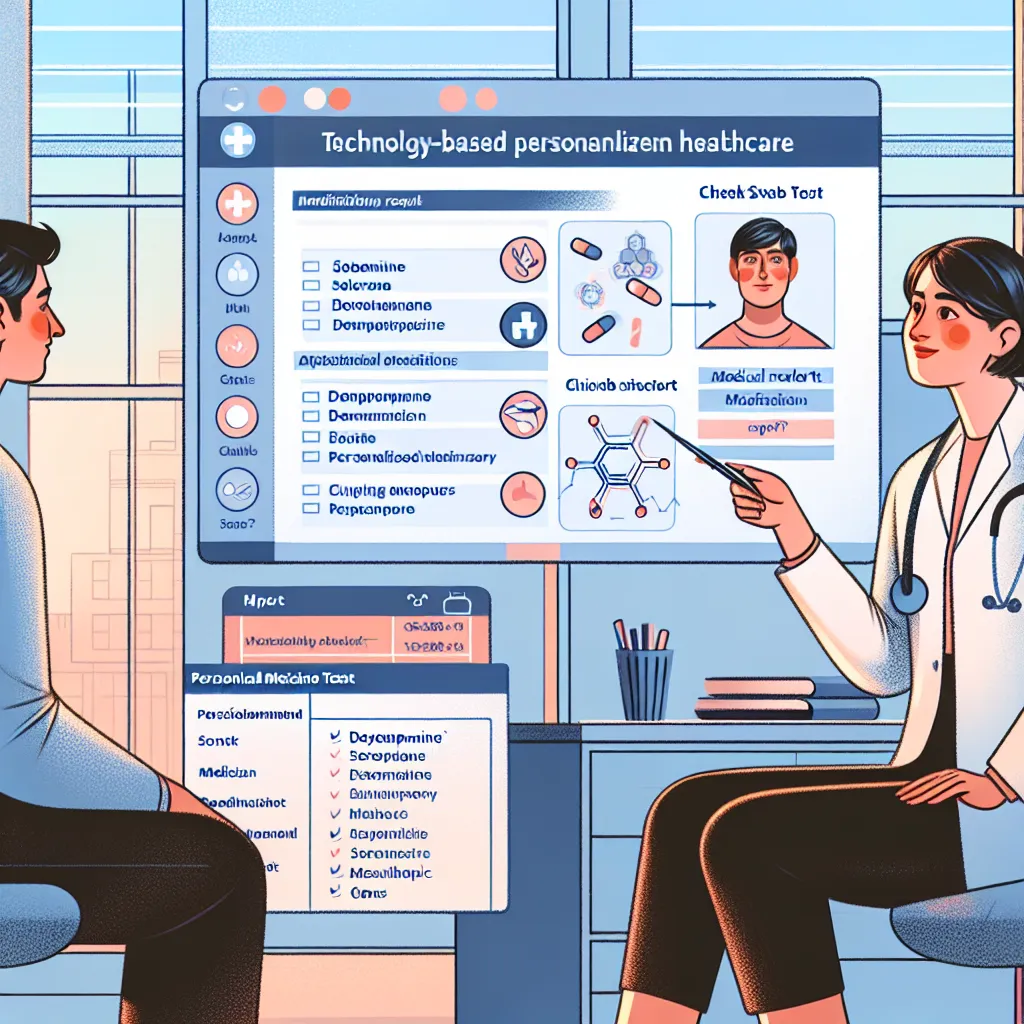
Prescribing antipsychotics is a trial-and-error process—often leading to side effects like weight gain, sedation, or lack of efficacy. This startup would offer a pharmacogenomic test panel, analyzing key dopamine, serotonin, and metabolic genes to match patients to the most effective and tolerable drug. The rise of personalized medicine and falling costs of genetic testing make this timely. The FDA and payers increasingly support genetic-guided prescribing to reduce waste and improve care. For example, a newly diagnosed patient could take a cheek swab test, and within days, their psychiatrist would receive a report suggesting the best-fit medication, avoiding months of failed treatments and reducing relapse risk.
Description
No additional description provided.
The Pitch
The process of prescribing antipsychotic medications has traditionally been a challenging journey for both healthcare providers and patients. Often relying on trial and error, this method can lead to a range of side effects or even prove ineffective for certain individuals. This initiative focuses on leveraging pharmacogenomics to address these challenges by providing a more precise and personalized approach to medication selection.
Backstory: Antipsychotic medications are a cornerstone of treatment for mental health conditions like schizophrenia and bipolar disorder. However, the wide variability in patient responses often results in a lengthy process of finding the right medication and dosage. This can lead to significant delays in achieving symptom relief, while patients may endure unintended side effects such as weight gain, sedation, or other adverse reactions during the trial phase of different medications.
Problem: Current prescribing practices do not fully account for individual genetic differences that influence drug metabolism and response. This oversight results in a trial-and-error process that can extend the time needed to identify an effective treatment, ultimately affecting patient outcomes and overall healthcare costs.
Solution: Introducing a pharmacogenomic test panel could transform the antipsychotic prescribing process. By analyzing key genetic markers related to dopamine, serotonin, and metabolism, the test can provide vital information to help match patients with the most effective and tolerable medications. This approach is aligned with the rise of personalized medicine and the decreasing costs of genetic testing, making it a feasible solution for a wide range of patients.
Product Details: - The product offers a simple cheek swab test that can be easily administered in a healthcare setting. - Within days of testing, a comprehensive report is generated for the psychiatrist, outlining the most compatible antipsychotic medications based on the patient’s genetic profile. - The report includes insights into potential side effects, optimal dosages, and alternative medication options. - This personalized approach aims to reduce the duration of ineffective treatments and minimize the risk of relapses.
Tools for Launching an MVP: - Genetic testing kits, including sample collection materials and secure storage solutions. - A collaboration platform for genetic data analysis, capable of producing comprehensive and comprehensible reports. - Partnerships with certified laboratories that specialize in genetic testing and have an established compliance and quality assurance framework. - A portal for healthcare providers to access test results, review patient recommendations, and track treatment outcomes.
GTM (Go to Market) Strategy: - Begin with pilot programs in partnership with a selection of mental health clinics and hospitals to demonstrate efficacy and reliability. - Develop strategic partnerships with insurers and healthcare providers to support coverage and reimbursement for the test. - Offer training for healthcare providers to integrate pharmacogenomic insights into treatment plans. - Invest in educational campaigns that explain the benefits of genetic-guided prescribing to patients, providers, and payers.
Business Model: - Direct sales to healthcare facilities, with revenue generated per test conducted. - Subscription or licensing models for continuous access to the data analysis platform and ongoing support services. - Collaborative partnerships for research and development to enhance the service offering and maintain cutting-edge capabilities.
By implementing pharmacogenomics into antipsychotic prescribing, this initiative aims to create a more effective and personalized treatment pathway, improving patient outcomes and reducing the overall burden on the healthcare system.