Gene Therapy Breakthrough: Preventing Vision Loss AMD
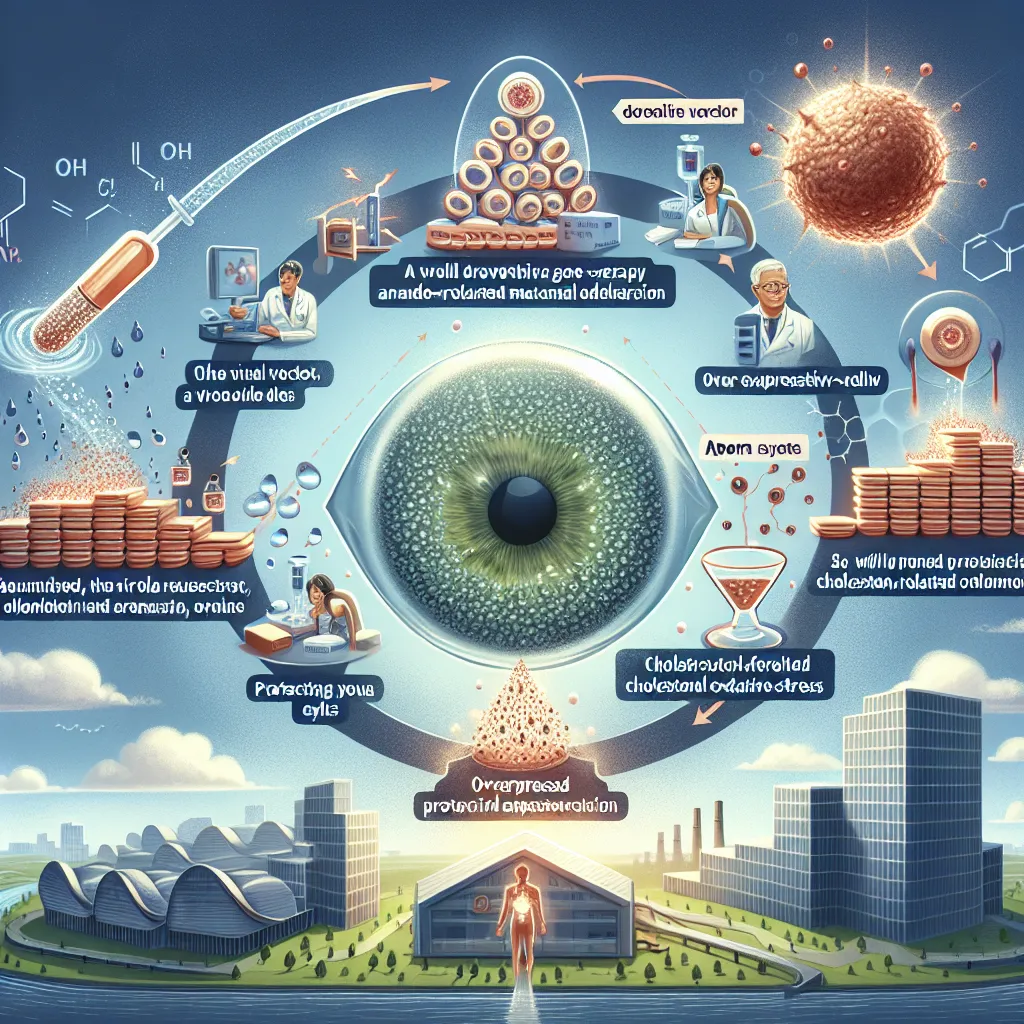
Millions suffer vision loss from AMD despite current treatments, which only slow progression once damage is done. There is no preventive solution for high-risk individuals. Gene therapy offers a breakthrough: this idea involves delivering a viral vector (e.g., AAV) that causes the liver or eye to overexpress ApoM, which has been shown to protect retinal cells from cholesterol-related oxidative stress. The science is new, but the gene therapy infrastructure is well-established—especially in ophthalmology, where Luxturna and others paved the way. Now is the moment to extend that to preventative care. Imagine a single-dose gene therapy at age 60 that prevents late-stage AMD altogether—delivered like a vaccine, it could reduce both blindness and billions in healthcare costs.
Description
No additional description provided.
The Pitch
Age-Related Macular Degeneration (AMD) is a major cause of vision loss globally, affecting millions of individuals, particularly those over the age of 60. Despite existing treatments, which primarily focus on slowing the progression of vision loss once damage has already occurred, there is currently no effective preventative solution available for those at high risk. This document explores an innovative approach utilizing gene therapy to prevent AMD by leveraging the protective role of Apolipoprotein M (ApoM) in retinal health.
Backstory
AMD affects a substantial segment of the aging population, leading to significant quality-of-life declines and representing a substantial burden on healthcare systems. Most treatments address the symptoms or progression but do not offer a preventive solution, leaving high-risk individuals vulnerable. With advancements in gene therapy, particularly within the field of ophthalmology, a new window of opportunity opens to shift from symptom management to prevention.
The Problem
The central problem is the lack of a preventive therapeutic option for individuals at high risk of AMD. Current interventions target symptoms after considerable retinal damage has already occurred, often proving too late to preserve vision. As the population continues to age, the incidence of AMD is expected to rise, amplifying the need for preventive strategies.
The Solution
Gene therapy presents a transformative solution. This approach involves delivering a viral vector, such as an Adeno-Associated Virus (AAV), designed to cause the liver or eye to overexpress ApoM. ApoM plays a critical role in protecting retinal cells from cholesterol-related oxidative stress—a key factor in the development of AMD. By administering this gene therapy as a preventive measure, it is possible to significantly reduce the risk of late-stage AMD development.
Product Details
The proposed product is a single-dose gene therapy administered similarly to a vaccine. Targeted toward individuals at high risk of developing AMD, ideally administered at age 60, this therapy could dramatically reduce the incidence and progression of AMD. The well-established infrastructure for gene therapy, particularly within ophthalmology as demonstrated by products like Luxturna, ensures a solid foundation for safety and efficacy assessments.
Tools for MVP Launch
1. Gene Therapy Infrastructure: Utilize existing gene therapy technologies and platforms to design, test, and manufacture the viral vector. 2. Conduct Preclinical Studies: Collaborate with research institutions to conduct animal model studies validating the safety and effectiveness of ApoM overexpression in preventing AMD. 3. Regulatory Strategy: Engage with regulatory agencies early in the development process to map out a clear path for clinical trials and eventual approval. 4. Partnerships: Form strategic partnerships with biotech companies, academic institutions, and hospitals to support R&D, trial implementation, and distribution.
Go-to-Market (GTM) Strategy
1. Target Market: Initially focus on regions with high incidences of AMD and well-established healthcare infrastructures, such as North America and Europe. 2. Patient Awareness: Develop educational campaigns to raise awareness of preventive gene therapy benefits among the aging population and healthcare providers. 3. Healthcare Partnerships: Collaborate with healthcare providers and insurance companies to facilitate patient access and coverage. 4. Advocacy: Partner with ophthalmology organizations and patient advocacy groups to support broader awareness and adoption.
Business Model
1. Pricing Strategy: Implement a value-based pricing model considering the potential reduction in healthcare costs associated with AMD treatment. 2. Licensing and Collaborations: Explore licensing opportunities with pharmaceutical companies and collaborate with research entities for further innovation. 3. Reimbursement: Work with payers to ensure the therapy is covered under medical insurance plans, emphasizing the long-term cost benefits of prevention.
Conclusion
This proposal outlines a compelling vision for preventing AMD through gene therapy. By shifting the focus from treatment to prevention, this innovative approach has the potential to not only preserve the vision of millions but also reduce the escalating healthcare costs associated with AMD. With the right infrastructure, partnerships, and strategy, we can usher in a new era of preventative ophthalmic care.