Gen Z-Focused Goodreads Alternative
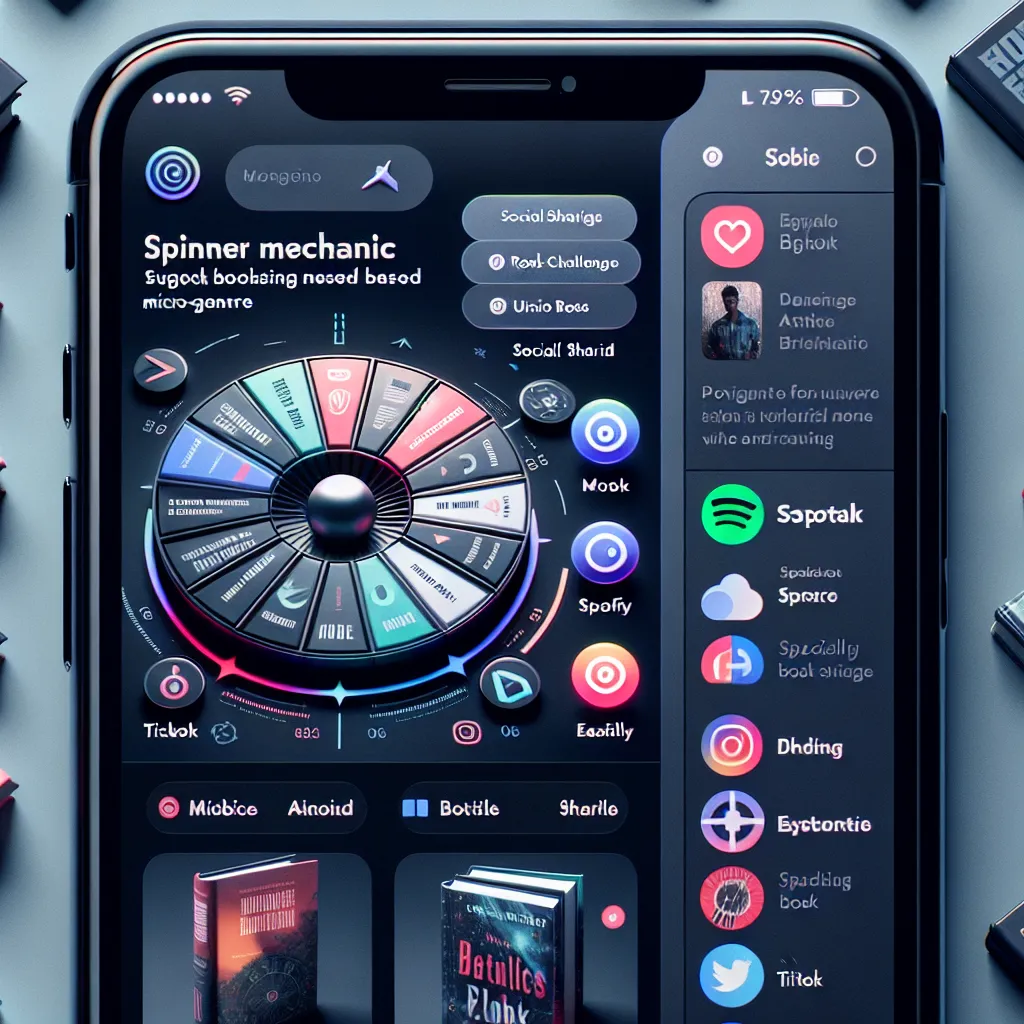
Current book discovery platforms like Goodreads feel outdated, especially to younger audiences who expect slick, gamified, and socially shareable digital experiences. Gen Z, raised on TikTok and Spotify, wants personalized, mood-based content with aesthetic interfaces. The solution is a beautifully designed mobile app that reimagines book discovery with a “spinner” mechanic inspired by the Q app (used for movie picks), where users swipe or spin to uncover books by mood, micro-genre, or vibe. Core features include social sharing, reading challenges, and visual-first book profiles that are easy to post on social media. Unlike competitors like StoryGraph, this platform leans into Gen Z culture: ultra-specific categorization (“academic chaoscore,” “post-dystopian romance”), slick UX, and viral potential. Imagine Strava for readers — something people are proud to screenshot and share, driving organic growth and engagement.
Description
No additional description provided.
The Pitch
In today's rapidly evolving digital landscape, the realm of book discovery has struggled to keep up with the expectations of younger audiences. Current platforms like Goodreads, which have long dominated the space, are beginning to feel outdated, particularly for Gen Z users. This generation, heavily influenced by dynamic platforms like TikTok and Spotify, anticipates digital experiences that are not just functional but also engaging, aesthetically pleasing, and socially shareable.
The problem with existing book discovery platforms is their lack of dynamism and personalization. They often fail to cater to the desire for highly curated and mood-based content delivered through a seamless and visually appealing user interface. Younger users are looking for interactive, gamified experiences where they can explore books in a manner that fits their personalized preferences and share those experiences effortlessly with their peers.
The solution lies in a new kind of mobile app, one that reimagines book discovery and aligns more closely with Gen Z's digital behaviors and preferences. This app would utilize an innovative “spinner” mechanic, inspired by the popular Q app used for movie selections, allowing users to interact with book recommendations in an engaging and enjoyable manner. Users could swipe or spin to discover books categorized by mood, micro-genre, or vibe, such as academic chaoscore or post-dystopian romance, offering a highly tailored experience.
Key features of the app would include social sharing capabilities, reading challenges, and visually striking book profiles designed for easy social media sharing. Unlike other platforms like StoryGraph, this app would embrace Gen Z culture with ultra-specific categorization and a slick user experience that encourages viral potential. It envisions an experience akin to Strava for readers – something users are excited to engage with and share, thereby fostering organic growth and increased user engagement.
To turn this vision into reality, several tools and strategies can be employed. Developing a Minimum Viable Product (MVP) using frameworks such as React Native for cross-platform mobile development would streamline the initial launch. Backend services could be managed through Firebase, offering scalable database and authentication solutions. For design, tools like Figma would be excellent for creating the app's modern and visually appealing interface. Additionally, integrating APIs from databases like Google Books could enhance the app's capability to provide extensive and varied book recommendations.
The go-to-market (GTM) strategy for this app would focus on leveraging social media platforms and influencers to create buzz and attract the initial user base. Collaborations with popular bookstagrammers, booktubers, and booktok creators could amplify visibility within target demographics. Early access campaigns or invitation-only beta launches could also generate intrigue and exclusivity. Additionally, an emphasis on user-generated content, such as personalized book lists or review challenges, could encourage sharing and facilitate organic user growth.
The business model would likely involve a freemium approach, offering core features for free while providing premium options such as ad-free experiences, advanced personalization features, or exclusive access to author events for a subscription fee. Partnerships with publishers and authors could also open up revenue streams through sponsored content or affiliate sales.
This innovative app promises to reinvigorate the book discovery process, transforming it into a captivating and socially-integrated experience that meets the demands of today's digital-native readers.