Futuristic AR Glasses Revolutionize In-Store Checkout
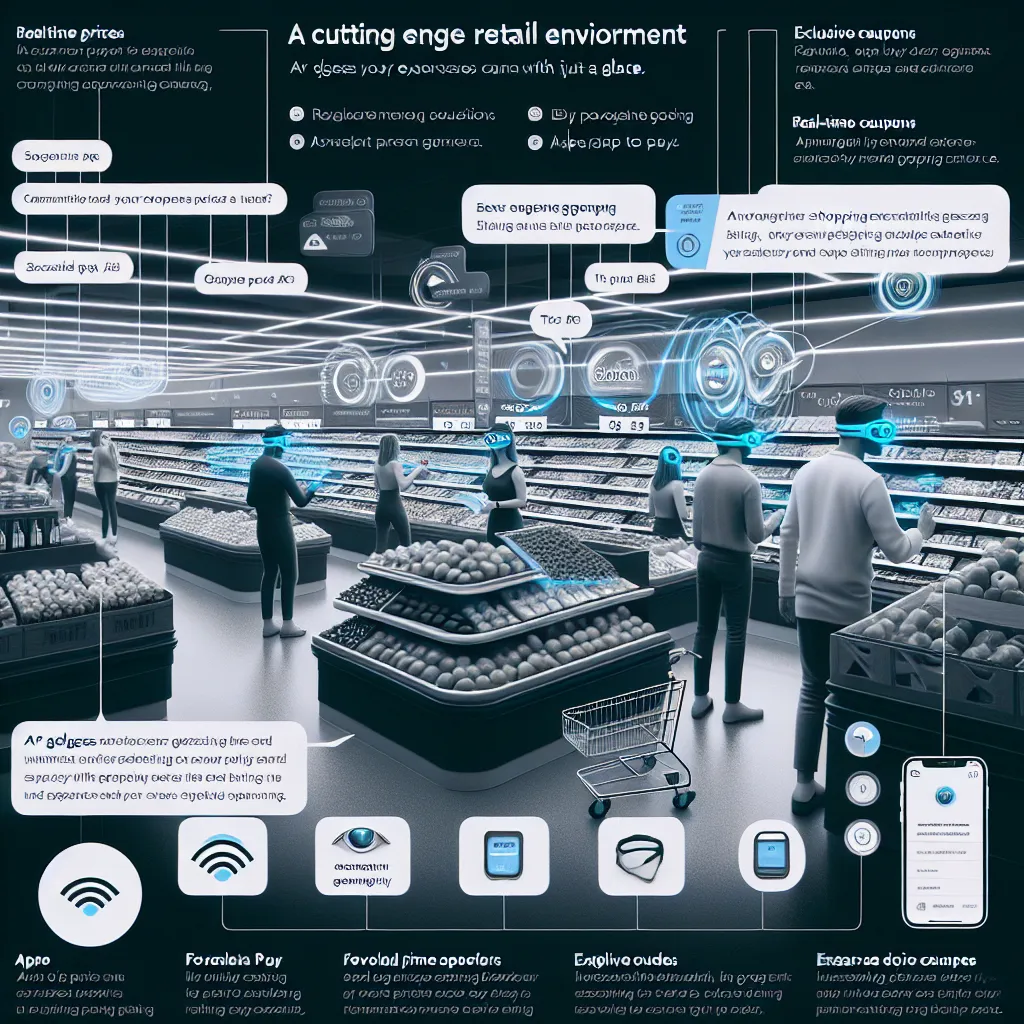
Most in-store checkout experiences are still built for a pre-smartphone world—slow, reliant on lines, physical cards, and POS terminals. Even mobile payments haven’t eliminated the friction of finding items, scanning them, and waiting to pay. This startup introduces sleek AR glasses that let shoppers walk into a store, scan any item just by looking at it, view real-time prices and coupons, and check out via eye gesture or voice command, all powered by Solana Pay or Apple Tap to Pay APIs. The broader trend toward frictionless retail, driven by Amazon Go and self-checkout, has yet to meet the growing market of wearable computing. These AR glasses work in any compatible store, overlaying a smart shopping assistant without requiring new infrastructure. Think of them like a Shopify for your face—retailers simply plug into the system and consumers wear the glasses. A high-end grocery store in LA could pilot it to reduce checkout lines and improve upsells via real-time prompts.
Description
No additional description provided.
The Pitch
In today's retail environment, the checkout experience remains a significant bottleneck, often stuck in outdated systems designed before the advent of smartphones. Shoppers frequently endure slow, cumbersome processes reliant on physical cards and clunky point-of-sale terminals. Even current mobile payment solutions haven't fully eradicated the pain points associated with traditional shopping experiences, such as the need to queue, find items manually, scan them, and wait to pay.
Addressing this issue is a revolutionary concept introduced by a forward-thinking startup: Augmented Reality (AR) glasses designed for a truly frictionless shopping experience. These sleek AR glasses empower shoppers to walk into a store and interact with their shopping environment in a whole new way. By simply looking at items, customers can scan products, view real-time prices and available coupons, and complete their purchase via eye gesture or voice command. This seamless checkout is facilitated by integration with Solana Pay or Apple Tap to Pay APIs, making the process not only intuitive but also incredibly fast and secure.
This innovation taps into the broader movement toward frictionless retail, spearheaded by initiatives like Amazon Go and advanced self-checkout systems. Yet, it uniquely leverages the burgeoning potential of wearable computing. Unlike other solutions that necessitate substantial infrastructure changes, these AR glasses can function in any compatible store, overlaying a smart shopping assistant onto the shopper's vision without requiring stores to invest in new hardware. In a way, they transform the consumer experience, akin to Shopify, but in a wearable format—retailers can effortlessly integrate into this system, while consumers simply wear the glasses for an enhanced shopping journey.
Imagine piloting this cutting-edge technology at a high-end grocery store in Los Angeles. Not only would it significantly cut down on checkout times and reduce lines, but it could also drive incremental sales through real-time, personalized upselling and promotions directly in the shopper's line of sight.
To build and launch this visionary product as a Minimum Viable Product (MVP), developers can leverage a suite of tools and technologies. Key components include advanced AR development platforms such as ARKit or ARCore, combined with robust APIs for payment processing like Solana Pay and Apple Tap to Pay. For voice recognition and command functionality, integrating a reliable speech processing tool like Google's Speech-to-Text API would be essential. The user interface could be crafted using Unity or Unreal Engine for a highly immersive visual experience.
The go-to-market (GTM) strategy for these AR glasses should initially target tech-savvy regions and retailers eager to innovate, such as urban centers with a high density of early adopters. Collaborations with high-profile retail stores for pilot programs can generate buzz and showcase the effectiveness of the solution. Employing a combination of direct sales and partnerships with retail tech companies will ensure a broad and rapid adoption across markets.
In terms of the business model, revenue could be generated through a subscription-based service for retailers who wish to use the platform, coupled with a commission on sales facilitated through the glasses. Additionally, offering premium features such as advanced analytics or tailored promotions could provide further monetization avenues.
This groundbreaking advancement in retail technology promises to redefine the shopping experience, aligning with the evolving digital and consumer landscape by offering a faster, smarter, and more enjoyable means of making purchases.