Future Vault: Preserve Your Genetic Legacy
Right now, people freeze eggs, sperm, or cord blood for medical reasons — but no one’s building a future-facing personal genome vault designed for multiple generations ahead. The idea is to sequence your DNA in ultra-high resolution, store both the data and physical genetic material in a climate-controlled, catastrophe-proof facility, and update the record over your lifetime to track genetic changes. The “crazy” part? It’s not just for health — it’s positioned as a legacy product, letting descendants in 100+ years access your genome for medicine, ancestry, or even synthetic biology recreation. It rides the trend of longevity, cryonics, and intergenerational wealth — except instead of money, you’re preserving biological potential. Imagine the marketing hook: “Be the ancestor who left more than a photo — leave your blueprint.”
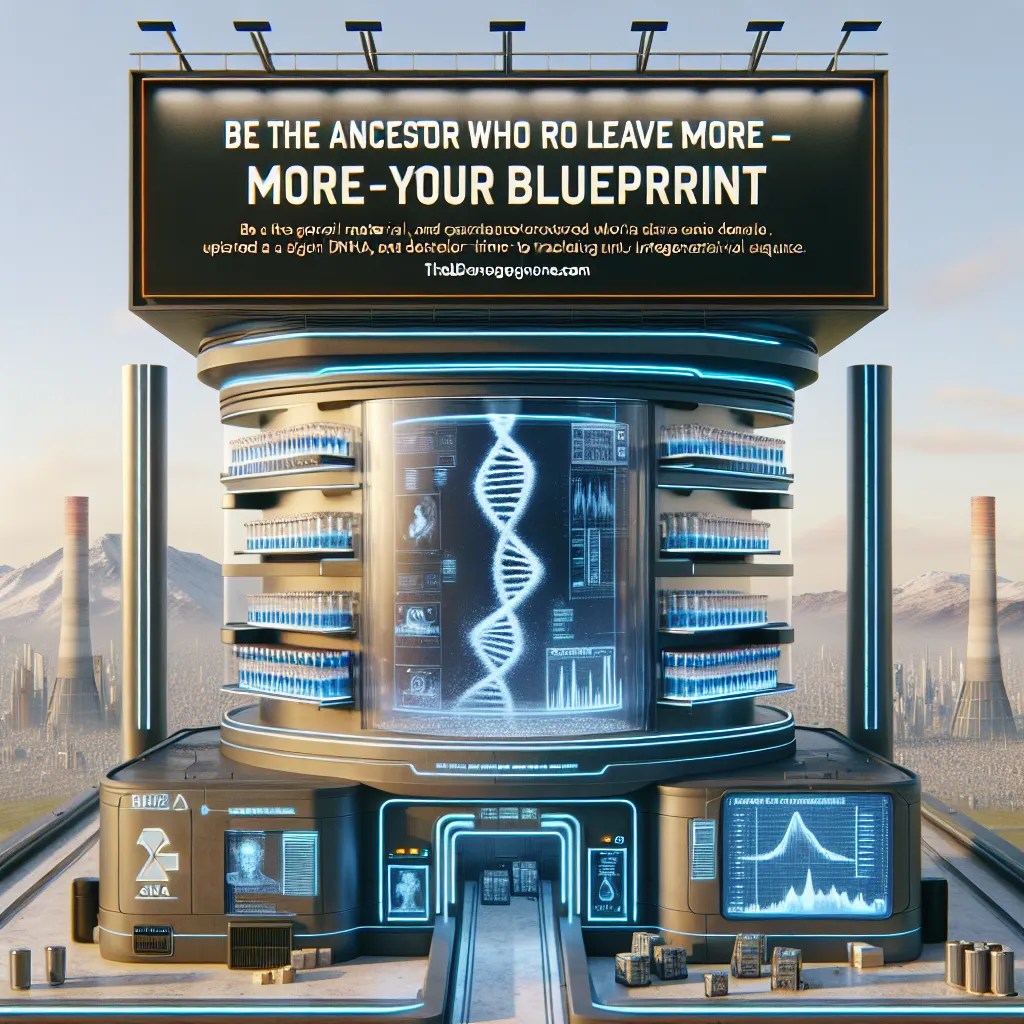
Description
No additional description provided.
The Pitch
In today's world, biological preservation often focuses on immediate medical needs, such as freezing eggs, sperm, or cord blood. However, there remains an untapped opportunity to extend this concept to the preservation of genetic information for future generations. Currently, no platform exists that combines genetic sequencing, physical sample storage, and intergenerational accessibility, especially as a legacy product. The need to capture and preserve personal genomic data for both health and heritage is a growing trend, yet it remains largely unexplored.
Problem:
The absence of a comprehensive system for preserving personal genetic information as a legacy for future generations poses both a potential loss of invaluable data and an oversight in how we think about biological heritage. As societal interest in longevity, medical advancements, and ancestry grows, so does the demand for innovative ways to preserve and utilize genetic information beyond our lifetimes.
Solution:
Introducing a personal genome vault that offers ultra-high-resolution DNA sequencing, secure data storage, and physical genetic material preservation in a state-of-the-art facility. This facility would be climate-controlled and catastrophe-proof, ensuring the safety and longevity of the genetic material. Over a person's lifetime, the genetic record can be updated to track any genetic changes, allowing for a dynamic and comprehensive genomic legacy.
Product Details:
1. DNA Sequencing: Advanced sequencing technology will be used to create a detailed map of an individual’s genetic information.
2. Data and Material Storage: Both digital genetic data and physical samples will be stored securely, with climate controls and disaster-proof infrastructure to safeguard the material against any potential threats.
3. Record Updating: The service will offer periodic updates to the genetic record, reflecting any changes due to technology advancements or new understandings in genomics.
4. Intergenerational Access: Descendants will have the opportunity to access this data for various purposes, including health decisions, ancestry exploration, or even synthetic biology endeavors.
Tools for Launching an MVP:
Consider utilizing existing genetic sequencing services and cloud storage solutions to develop a basic version of this service. Partnering with a cryogenic storage facility could serve to safely store physical materials. Begin with a limited rollout to gather customer feedback and refine the offering.
Go-To-Market Strategy:
1. Target Market: Initially focus on tech-savvy individuals interested in health, longevity, and legacy, as well as those in the cryonics and biotechnology spaces.
2. Partnerships: Collaborate with genetic testing companies, medical research institutions, and cryogenic preservation services.
3. Marketing: Leverage the unique selling proposition of leaving a genomic legacy, appealing to those who value intergenerational impact and technological innovation.
4. Education: Provide content that educates potential customers about the benefits, addressing any concerns about privacy and ethical considerations.
Business Model:
The business model could be subscription-based, with an initial setup fee for sequencing and storage, followed by an annual fee for updates and maintenance. Additional services could be offered, such as personalized reports or integration with digital health records.
By creating a groundbreaking personal genome vault, you have the opportunity to blend cutting-edge science with the timeless human desire to leave a meaningful legacy. This venture not only taps into current trends but also sets the stage for a new category of personal legacy products.