Fungal Symbiosis Seeds for Sustainable Farming
Modern agriculture relies heavily on chemical fertilizers and pesticides, which harm ecosystems and human health. Yet many plants naturally partner with fungi for growth and defense. P. clandestina’s unique traits suggest fungi could be harnessed to boost crop resilience naturally. A startup could develop bio-enhanced seeds or soil inoculants embedding beneficial fungi to improve pest resistance and crop yields. With rising demand for regenerative agriculture and organic food, now is ideal for nature-based agricultural solutions. Example: “Symbiograin” could offer corn seeds pre-inoculated with fungal symbionts, reducing pesticide needs while boosting yields, creating a new category of sustainable agriculture.
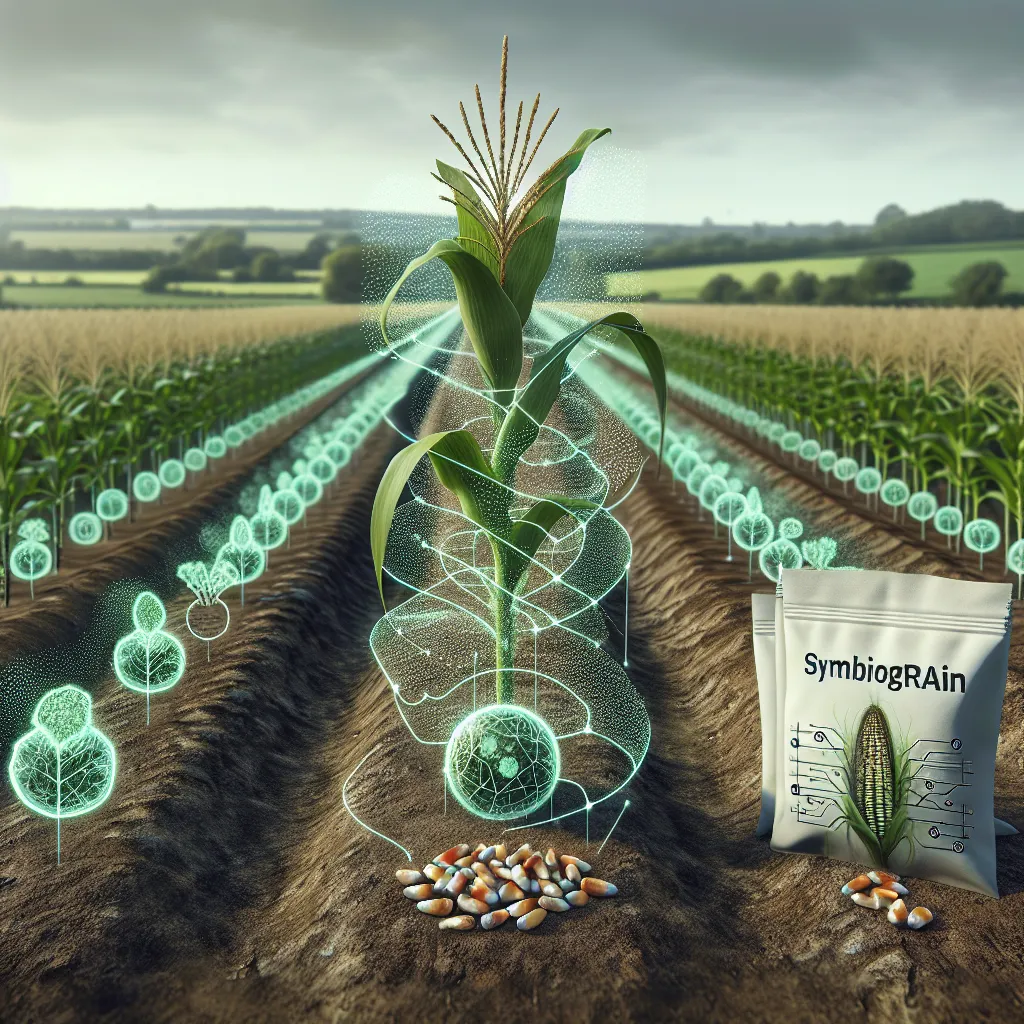
Description
No additional description provided.
The Pitch
In the realm of modern agriculture, the heavy industry reliance on chemical fertilizers and pesticides has had significant repercussions on both ecosystems and human health. This conventional approach has led to soil degradation, water pollution, and adverse health effects. The agriculture industry now faces the challenge of transitioning toward more sustainable and eco-friendly practices.
**Backstory & Problem** For centuries, many plants have thrived in partnership with fungi, which aid in their growth and defense mechanisms. These natural symbiotic relationships present a promising avenue for enhancing crop resilience without reliance on synthetic chemicals. One such potential partner is P. clandestina, a fungus with unique traits that could be leveraged to create a more sustainable agricultural model. The primary problem is that current agricultural practices are unsustainable in the long term, contributing to environmental degradation and posing health risks.
**Solution** The solution lies in harnessing these natural partnerships to produce bio-enhanced seeds or soil inoculants that embed beneficial fungi. By integrating fungi naturally capable of improving plant resistance to pests and enhancing crop yields, agriculture can become more aligned with ecological principles. Such an approach addresses environmental concerns and taps into the rising demand for regenerative farming and organic food products.
**Product Details** Introducing Symbiograin, a pioneering product designed to transform agricultural practices:
- **Bio-enhanced Seeds**: These seeds come pre-inoculated with selected fungal symbionts, tailored to specific crops such as corn, soybeans, and wheat, aimed at reducing the need for pesticides while enhancing yields.
- **Soil Inoculants**: Concentrated formulations of beneficial fungi that can be applied to existing crop fields to improve soil health and plant resilience.
- **Eco-friendly Packaging**: The product line is distributed in biodegradable packaging, reinforcing the commitment to sustainability.
**Tools for MVP Launch** Developing an MVP (Minimum Viable Product) for Symbiograin would involve several key steps and tools:
1. **Research & Development**: Engage in partnerships with agricultural research institutions to identify the most beneficial fungal strains.
2. **Prototyping**: Use lab facilities to develop prototypes of bio-enhanced seeds and soil inoculants.
3. **Testing**: Conduct field trials on various types of crops to validate the improvements in yield and pest resistance.
4. **Pilot Programs**: Collaborate with select farms to implement pilot programs and gather feedback.
**Go-to-Market (GTM) Strategy** 1. **Target Audience**: Initially focus on organic farmers and regenerative agriculture practitioners who are early adopters of sustainable technologies.
2. **Awareness Campaign**: Launch educational campaigns to highlight the benefits of Symbiograin using social media, webinars, and partnerships with agricultural influencers.
3. **Distribution Partnerships**: Collaborate with seed distributors and agricultural cooperatives for broader reach.
4. **Incentives**: Offer introductory discounts and incentives for first-time users to encourage adoption.
**Business Model** Symbiograin will operate on a B2B model, targeting agricultural businesses, cooperatives, and distributors. The revenue streams include:
- **Product Sales**: Direct sales of bio-enhanced seeds and soil inoculants.
- **Subscription Model**: Provide ongoing supply and crop-specific recommendations for optimal use across farming cycles.
- **Consulting Services**: Offer consulting to assist farms in transitioning to symbiotic agricultural practices.
Symbiograin represents a transformative step towards sustainable agriculture, addressing both ecological and health concerns while aligning with the growing consumer demand for organic products. As a startup, it is poised to lead the shift toward nature-based agricultural solutions, reducing dependence on harmful chemicals and preserving the planet for future generations.