Freelancers to SaaS Founders: AI Incubator
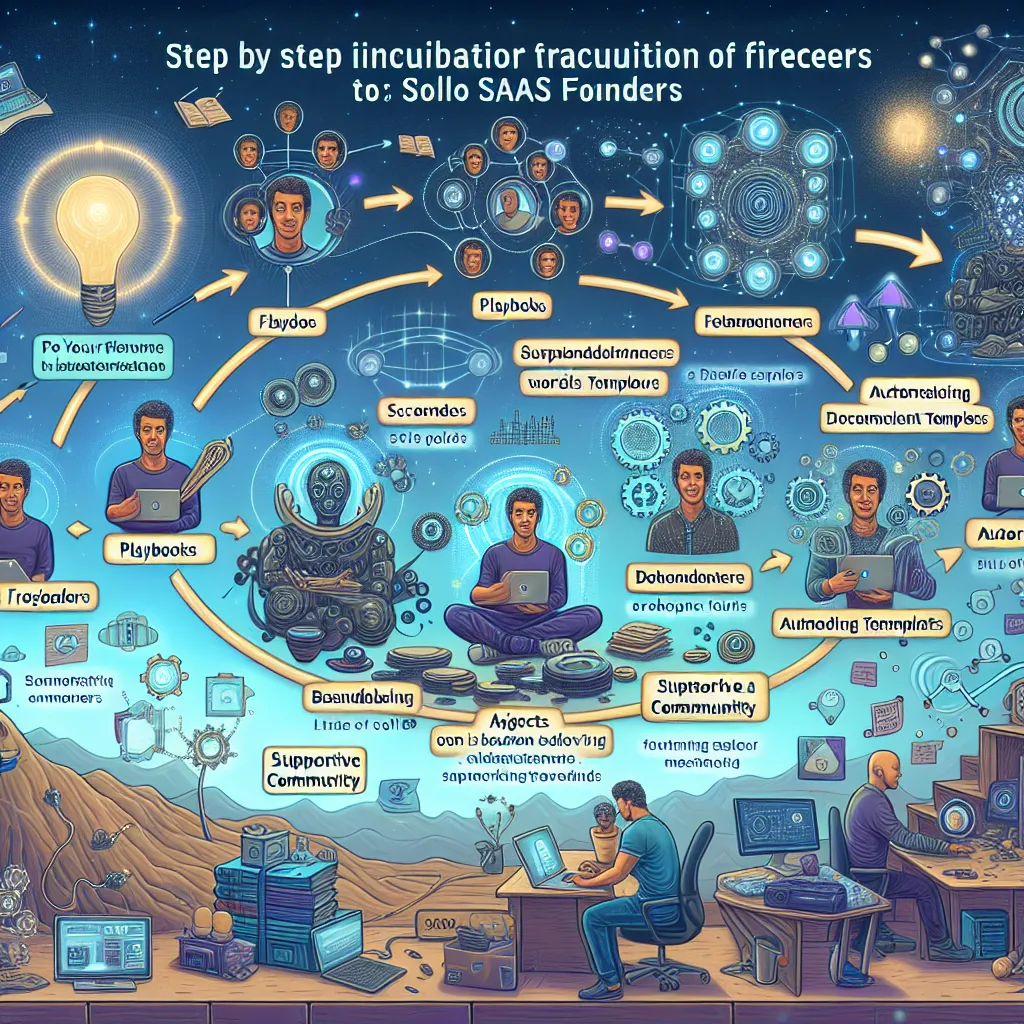
A guided incubator for freelancers to become solo SaaS founders by turning their service skills into productized AI tools. It provides playbooks, automation templates, and niche community support while using agents to assist with everything from branding to onboarding. Unlike generic courses or founder communities, this is a structured, AI-native funnel from service provider to software entrepreneur. It leverages a clear path: freelance → productized service → microSaaS → automated SaaS business.
Description
No additional description provided.
The Pitch
In today’s rapidly evolving technological landscape, many freelancers possess the skills and expertise needed to transition into building solo software-as-a-service (SaaS) businesses. However, they often lack the structured guidance and resources needed to make this leap. This initiative is designed for freelancers ready to transform their service skills into innovative productized AI tools, providing a pathway to becoming successful solo SaaS founders.
Background
Freelancers typically operate on a project-by-project basis, exchanging time for money. While this model offers flexibility, it has its limitations in terms of scalability and long-term income potential. With the rise of automation and AI, there exists an opportunity for freelancers to transform their service offerings into scalable software solutions. Yet, making this leap can be daunting without the right support and resources.
Problem
The main challenges faced by freelancers looking to transition into the SaaS realm include: 1. Lack of clear guidance on how to transform a service into a product. 2. Absence of automation tools and templates tailored for individual needs. 3. Difficulty in navigating the complexities of branding, marketing, and customer onboarding. 4. Limited access to a community of like-minded entrepreneurs for support and networking. 5. Generic courses and communities that do not offer structured, actionable pathways.
Solution
This initiative offers a guided incubator designed to help freelancers transition into SaaS founders through: 1. Step-by-step playbooks that tailor to individual service offerings. 2. Automation templates to streamline the productization process and integrate AI capabilities. 3. Access to a niche community of freelancers-turned-entrepreneurs for shared insights and support. 4. AI-driven agents to assist with non-core activities such as branding, marketing, and customer onboarding. 5. A structured, phased approach that takes participants from freelancing to productized services, then to microSaaS, and finally, an automated SaaS business model.
Product Details
1. Playbooks: Detailed, customizable guides that detail the journey from service to SaaS product, including market research, product validation, and go-to-market strategies. 2. Automation Templates: Pre-built templates to help freelancers automate their offerings, integrate AI, and streamline operations. 3. Community Platform: An exclusive network of fellow freelancers and SaaS entrepreneurs to collaborate, share experiences, and learn collectively. 4. AI-Driven Agents: Tools and agents that provide assistance in branding, creating a professional online presence, marketing strategies, and customer onboarding processes. 5. Learning Modules: Educational resources focused on SaaS business models, user experience design, and modern technologies including AI and machine learning.
Tools for Easy Launch as an MVP
1. SaaS Development Platforms: Utilize no-code/low-code platforms like Bubble or Adalo for rapid prototyping. 2. AI Integration Tools: Leverage AI toolkits such as OpenAI’s GPT or Google’s TensorFlow for incorporating AI functionalities. 3. CRM and Marketing Tools: Employ software like HubSpot or Mailchimp to manage customer relationships and marketing campaigns. 4. Branding and Design: Use Canva or Figma to create professional branding assets. 5. Payment Processing: Integrate services like Stripe or PayPal for seamless payment processing.
GTM Strategy
1. Target Audience Identification: Clearly define the target audience based on freelancer profiles and SaaS interests. 2. Content Marketing: Develop engaging content to educate potential users about transitioning from services to SaaS, using blogs, webinars, and podcasts. 3. Partnerships: Form alliances with freelancer platforms like Upwork and Fiverr to reach a broader audience. 4. Social Media Engagement: Foster a community on platforms like LinkedIn and Twitter to amplify reach and engagement. 5. Early Access Programs: Launch an early access program to gather user feedback and generate initial traction before full release.
Business Model
1. Subscription-Based Pricing: Offer a tiered subscription model with various levels of access to resources, tools, and community features. 2. Freemium Model: Provide basic access for free with the option to upgrade for premium features. 3. Consultancy Services: Provide optional consultancy services for one-on-one guidance or specialized needs. 4. Partnership Revenue: Explore affiliate marketing opportunities with SaaS tools and platforms that freelancers may utilize during their transition.
Conclusion
This initiative aims to empower freelancers to take charge of their future by becoming solo SaaS founders. By providing a structured, supportive, and resource-rich environment, freelancers can transform their service skills into scalable AI-driven products, ensuring long-term growth and success in the digital age.