Flipping Shipping Containers Into Profitable Offices
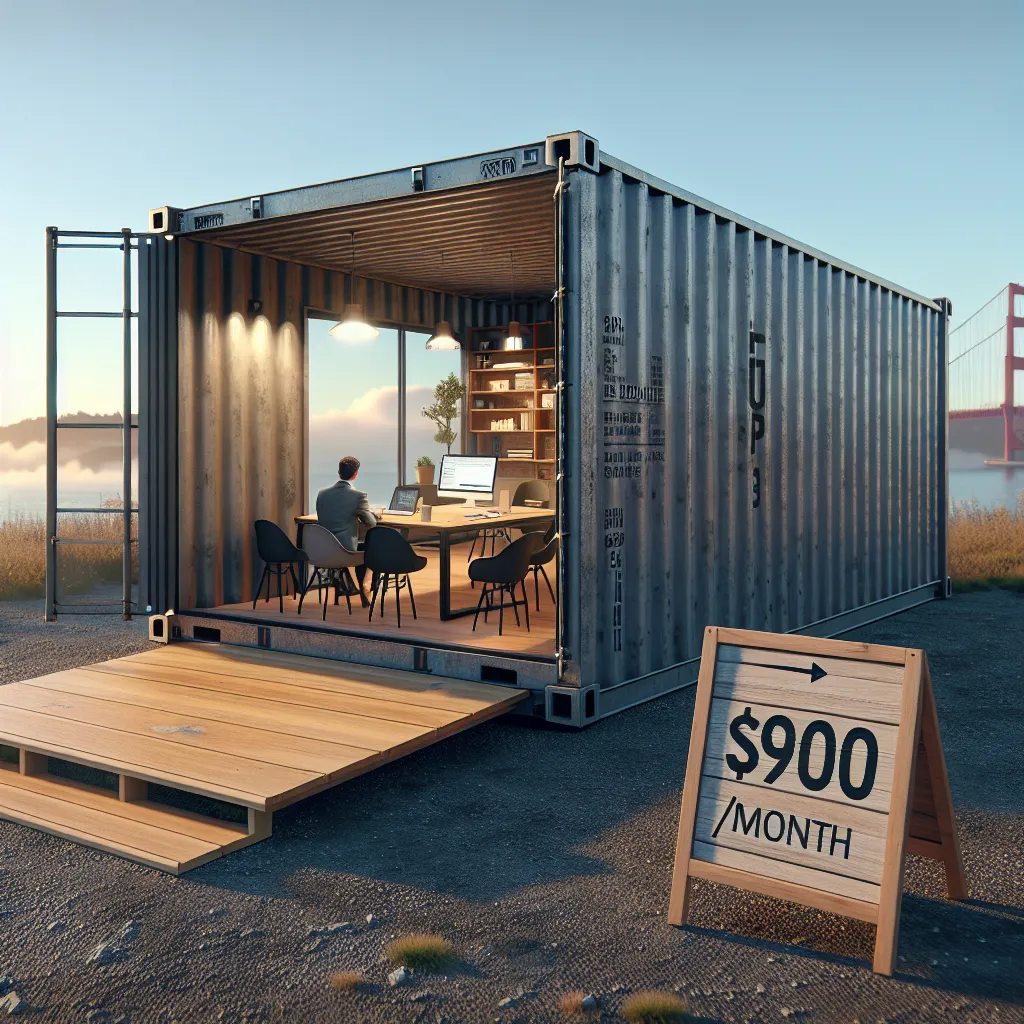
Shipping containers converted into offices are modular, mobile, and inexpensive—but most people don’t know they’re available for liquidation. A savvy buyer can grab these from university surplus or auctions and flip them as rentable office space, workshops, or pop-ups. “You could rent that out for $1,000/month. It’s $6,000.” Example: Someone buys a 32x12 conference container for $6,000 in San Francisco. They tow it to a plot of land, outfit it minimally, and rent it for $900/month as creative office space. In 7 months, the investment’s recouped. It works in rural towns, creative districts, or anywhere with an ADU-friendly ordinance. This model combines real estate arbitrage with low-cost structure flipping, and the demand for flexible, off-grid workspaces is growing fast.
Description
No additional description provided.
The Pitch
In an era where flexible and innovative workspace solutions are increasingly in demand, shipping containers offer a unique and untapped opportunity. Originally designed for cargo transport, these durable steel structures are now being transformed into modern, functional office spaces. They present a compelling option for entrepreneurs and businesses seeking affordable, mobile, and modular office environments without the hefty costs associated with traditional office spaces.
---
#### Identified Problem
Despite their potential, many people are unaware of the availability and benefits of converting shipping containers into office spaces. The high demand for affordable and adaptable workspaces combined with limited supply leaves a significant gap in the market. Moreover, conventional urban office spaces are not only expensive but often come with long-term lease commitments and inflexibility in terms of location and design.
---
#### Innovative Solution
The solution lies in the acquisition and transformation of surplus shipping containers into versatile workspaces. This involves purchasing containers from auctions, university surplus, or liquidation channels, and customizing them into rentable office spaces, workshops, or pop-up locations. These transformed spaces can then be offered at competitive rental prices, providing a cost-effective alternative to conventional office leasing.
---
#### Product Details
- **Modular Design**: Containers can be configured to meet specific needs, whether it’s a single office, a conference room, or a creative workshop.
- **Mobility**: Easily transportable, these container offices can be relocated as needed, providing unmatched flexibility in location.
- **Cost-Effectiveness**: Initial investment is significantly lower than traditional office construction, with the potential for quick ROI through rentals.
- **Sustainability**: Reusing shipping containers minimizes waste and supports eco-friendly business practices.
- **Versatile Applications**: These spaces are suitable for various environments such as urban creative districts, rural areas, or any location with ADU-friendly regulations.
---
#### Tools for Launching an MVP
1. **Design Software**: Utilize tools like SketchUp or AutoCAD for planning and visualizing the container modifications.
2. **Construction Partnerships**: Collaborate with local contractors experienced in tiny homes or modular builds for cost-effective customization.
3. **Online Marketplaces**: Platforms such as eBay or specialized auction sites can be used to source affordable containers.
4. **Rental Platforms**: Use listing services like Airbnb or commercial real estate websites to market and manage the rental logistics.
---
#### Go-To-Market Strategy
1. **Target Audience Identification**: Focus on startups, freelancers, and creative professionals seeking flexible office solutions.
2. **Local Partnerships**: Collaborate with local governments or real estate agents for site placement and zoning approvals.
3. **Digital Marketing**: Leverage social media, SEO, and content marketing to educate the market on the benefits of container offices.
4. **Pilot Programs**: Initiate small-scale pilots in diverse locations to demonstrate feasibility and gain customer feedback.
---
#### Business Model
- **Revenue Streams**: Monthly rental income from businesses leasing the container spaces.
- **Cost Structure**: Initial costs involve container acquisition, modification, and transportation. Ongoing expenses include maintenance and marketing.
- **Value Proposition**: Offer affordable, flexible, and sustainable workspace solutions tailored to modern business needs.
- **Expansion Plan**: Once the model is validated, scale by acquiring additional containers and expanding to new markets.
---
In conclusion, the transformation of shipping containers into office spaces presents an exciting and viable business opportunity. With the demand for flexible work environments on the rise, this model not only addresses a critical market need but also offers potential for rapid growth and profitability.
---