Flexible Neighborhood Car Subscriptions for Weekends
Car ownership is costly; rentals are inflexible. This service offers neighborhood-based car subscriptions with shared fleets and no long-term contracts. Trend: car access models are diversifying. Example: a family uses the service for weekend trips without owning a second car.
Description
No additional description provided.
The Pitch
Car ownership can often prove to be a financial burden due to initial purchase costs, ongoing maintenance, insurance, and depreciation. On the other hand, traditional car rentals offer limited flexibility, typically requiring rigid contracts and centralized pick-up and drop-off locations. As urbanization increases and lifestyle preferences shift towards convenience and sustainability, there is a growing need for a more adaptable and cost-effective approach to car access.
To address these challenges, imagine a service that offers car subscriptions based in local neighborhoods, allowing users to conveniently access a shared fleet without dealing with long-term, binding contracts. This service allows individuals and families to access vehicles as needed, fitting seamlessly into their everyday lives.
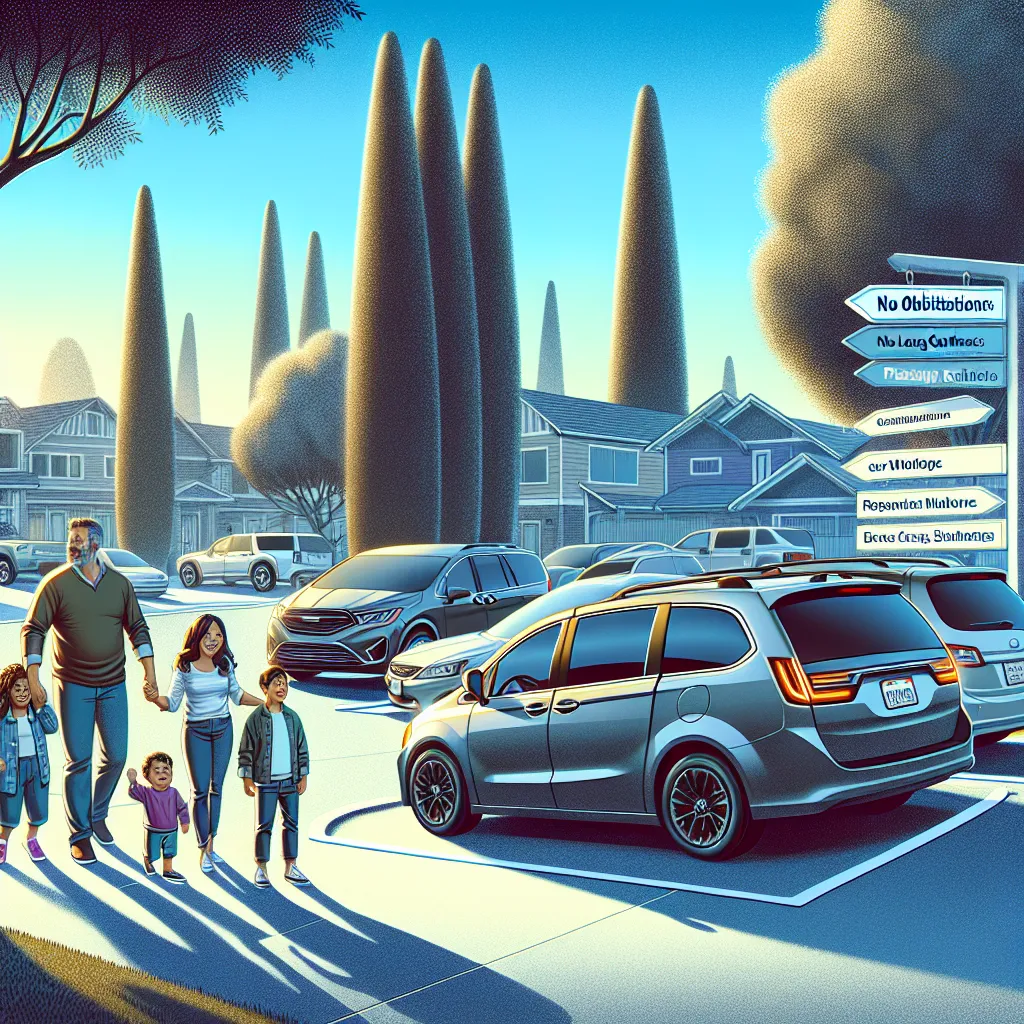
One could envision a family living in a suburban area that primarily relies on public transportation and cycling for their regular commuting needs. Occasionally, they need a vehicle for weekend getaways or to run large errands. Instead of investing in a second car, they subscribe to a neighborhood-based car access service that provides them the flexibility to reserve a vehicle when required and only pay for what they use. This model not only reduces the financial burden but also supports an environmentally friendly lifestyle by minimizing the number of underutilized cars on the road.
To bring this concept to life, consider the following key components:
- **Backstory**: Urban environments are diversifying their transit systems amidst increasing population densities, pushing a need for innovative mobility solutions beyond traditional car ownership. The vision for this service is rooted in providing flexible vehicle access tailored to modern urban lifestyles.
- **Problem Statement**: The high cost and commitment linked with car ownership, coupled with the inconvenience of conventional car rental services, hinders many individuals from having easy access to vehicles on demand.
- **Solution**: Develop a subscription-based platform for neighborhood-level car sharing offering short-term, hassle-free access to vehicles. Users pay a subscription fee that provides access to a fleet of maintained cars located strategically within neighborhoods, removing the need for ownership.
- **Product Details**: Each subscription would include access to a mobile app that allows users to locate available vehicles in their area, book them for specific times, and unlock them using their smartphone. The cars could be hybrid or electric to align with sustainability goals, with routine maintenance and insurance handled by the service provider.
- **Tools for Easy MVP Launch**: Utilize existing car-sharing technology platforms that offer vehicle connectivity and management software. Partner with local garage services for maintenance and hiring practices for fleet management. An agile development team would help integrate the app to launch a minimum viable product efficiently.
- **Go-to-Market Strategy**: Begin with a pilot program in a densely populated urban area with a high rate of public transport users. Collaborate with local municipalities to encourage sustainable urban mobility. Use a combination of digital marketing, community engagement, and partnership with environmental groups to build brand awareness. Offering initial free trials can incentivize early adopters.
- **Business Model**: Revenue would be generated through monthly subscription fees with tiered pricing based on the frequency and type of vehicle access. Additional revenue streams could include partnerships with local businesses for exclusive offers to subscribers, advertisements within the app, and premium add-ons such as extended range or premium vehicle access.
By focusing on flexibility, community integration, and sustainability, this service could fulfill a growing demand for accessible, cost-effective, and eco-friendly transportation alternatives in urban settings.