Fleet Electrification Services for Municipal Vehicles
Description
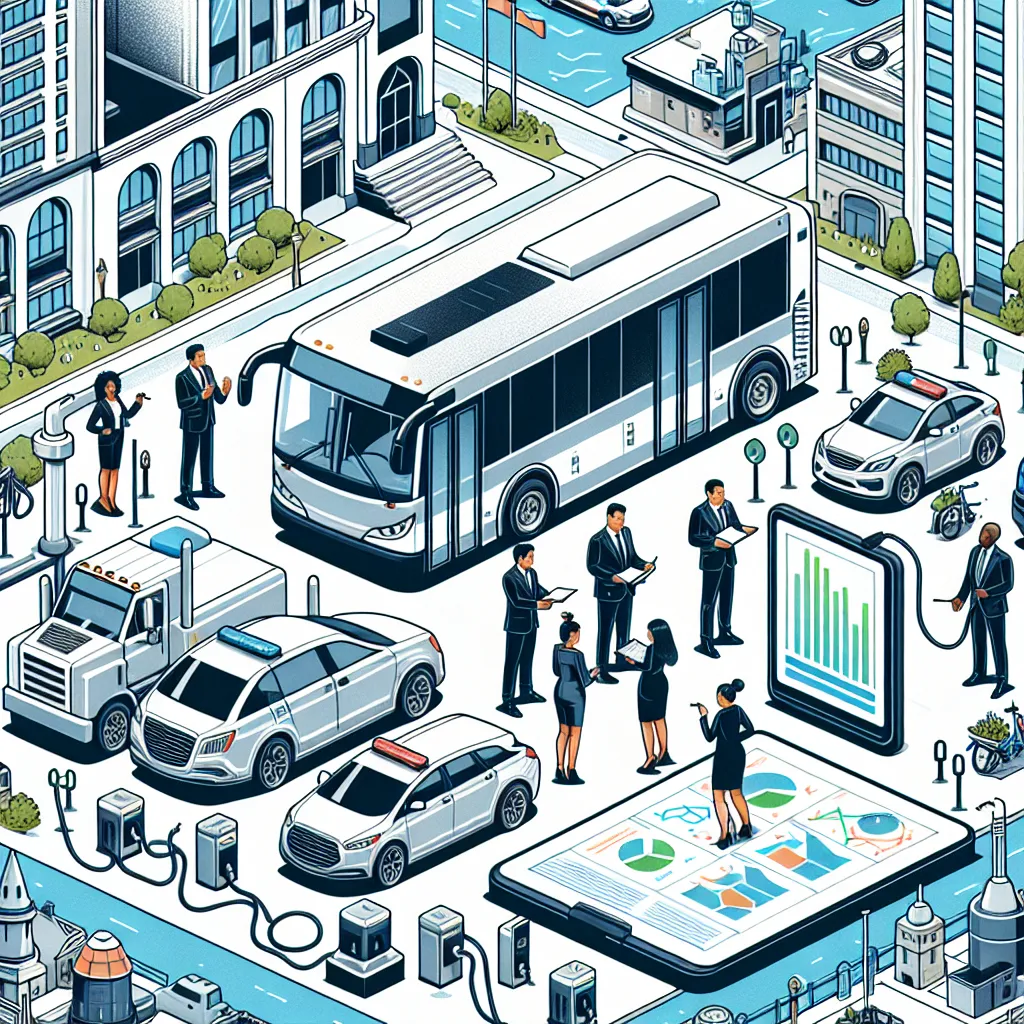
Electrification of municipal fleets is a significant opportunity to reduce environmental impact, lower operational costs, and improve public health. By offering a comprehensive service that includes vehicle procurement, maintenance, charging infrastructure, and energy management, and by aligning the payment model with performance outcomes, this business can drive widespread adoption of electric vehicles in the public sector. The focus on customization, long-term support, and innovative financing models will make this an attractive proposition for municipalities looking to modernize their fleets and meet sustainability goals.
The Pitch
A one-stop solution for municipal governments to electrify their vehicle fleets, which typically include school buses, waste management trucks, and other public service vehicles. The service would encompass everything from vehicle procurement and maintenance to charging infrastructure installation and energy management. The model would be based on performance-based payments, reducing the upfront financial burden for municipalities and aligning the service provider's incentives with the long-term success of the electrification project.
Market Opportunity:
Government Mandates and Incentives: Many governments are introducing mandates and incentives to reduce carbon emissions, particularly in public transportation. This creates a strong demand for electric fleet solutions that municipalities can adopt without significant upfront costs.
Rising Fuel Costs and Maintenance Issues: Traditional municipal vehicles like school buses and waste trucks are costly to fuel and maintain, creating a financial burden for cities. Electric vehicles (EVs) offer lower operating costs over time, making them an attractive alternative.
Environmental and Health Benefits: Transitioning to electric fleets reduces air pollution, particularly in urban areas, improving public health outcomes and contributing to municipalities' sustainability goals.
Key Features:
Comprehensive Fleet Services: The service would offer a full suite of solutions, including vehicle acquisition, maintenance, charging infrastructure installation, and energy management. This holistic approach simplifies the transition to electric fleets for municipalities.
Performance-Based Payment Model: Instead of requiring large upfront investments, municipalities would pay based on the fleet's performance, such as cost savings achieved, miles driven, or emissions reduced. This model aligns the provider's incentives with the municipality’s goals and ensures continuous support and optimization.
Customized Solutions: Each municipality has unique needs based on the size of the fleet, geographic location, and specific vehicle requirements. The service would tailor solutions to each city’s context, ensuring efficient and effective implementation.
Energy Management: Advanced software would be provided to manage energy consumption, optimize charging times to reduce costs, and even sell excess energy back to the grid during peak demand periods. This feature adds an additional revenue stream for municipalities and ensures efficient use of resources.
Business Model:
Leasing and Financing: Offer leasing options for the electric vehicles and charging infrastructure, reducing the need for significant capital expenditure. This could be combined with financing plans that spread out payments over time, linked to the fleet’s performance metrics.
Maintenance and Support Contracts: Provide ongoing maintenance and technical support for the fleet and charging stations. This could be offered as a subscription service, ensuring that vehicles remain operational with minimal downtime.
Energy as a Service (EaaS): Manage the procurement of electricity, optimize its use, and integrate renewable energy sources where possible. This service could include grid services, such as demand response and energy storage, which can generate additional revenue for the municipality.
Data and Analytics: Offer a data analytics platform that tracks vehicle performance, energy usage, and environmental impact. This data can be used to optimize fleet operations and demonstrate compliance with regulatory requirements.
Challenges:
Infrastructure Development: Building and maintaining the necessary charging infrastructure, particularly in areas with limited electrical capacity, could be challenging. Partnering with utilities and investing in grid upgrades may be necessary.
Initial Adoption Resistance: Municipalities may be hesitant to switch from traditional vehicles due to concerns about reliability, cost, and the need for new infrastructure. Providing case studies, pilot programs, and guarantees could help alleviate these concerns.
Long Sales Cycles: Government procurement processes can be lengthy and complex. A dedicated team with expertise in government contracts and grants may be required to navigate these processes efficiently.
Impact:
Environmental: Electrifying municipal fleets will significantly reduce greenhouse gas emissions and improve air quality in urban areas, contributing to local and global sustainability goals.
Economic: The shift to electric fleets can lower operational costs for municipalities, freeing up resources for other public services. It also stimulates the local economy by creating jobs in vehicle maintenance, infrastructure development, and energy management.
Social: Reduced noise pollution and improved air quality will enhance the quality of life for residents, particularly in densely populated urban areas.
Next Steps:
Pilot Projects: Start with a few pilot projects in small to mid-sized cities to prove the concept and gather data. These pilots can be used as case studies to convince other municipalities to adopt the service.
Partnership Development: Establish partnerships with electric vehicle manufacturers, charging station providers, and local utilities. These partnerships will be crucial for providing a comprehensive service.
Regulatory and Grant Navigation: Build a team with expertise in navigating government grants and incentives to help municipalities secure funding for electrification projects. This can significantly reduce the financial barriers to adoption.
Scalable Platform Development: Invest in the development of a scalable software platform for energy management, fleet tracking, and data analytics. This platform will be a key differentiator in managing the complexities of large municipal fleets.