Flavor Internet: Global Recipes Streamed to Kitchens
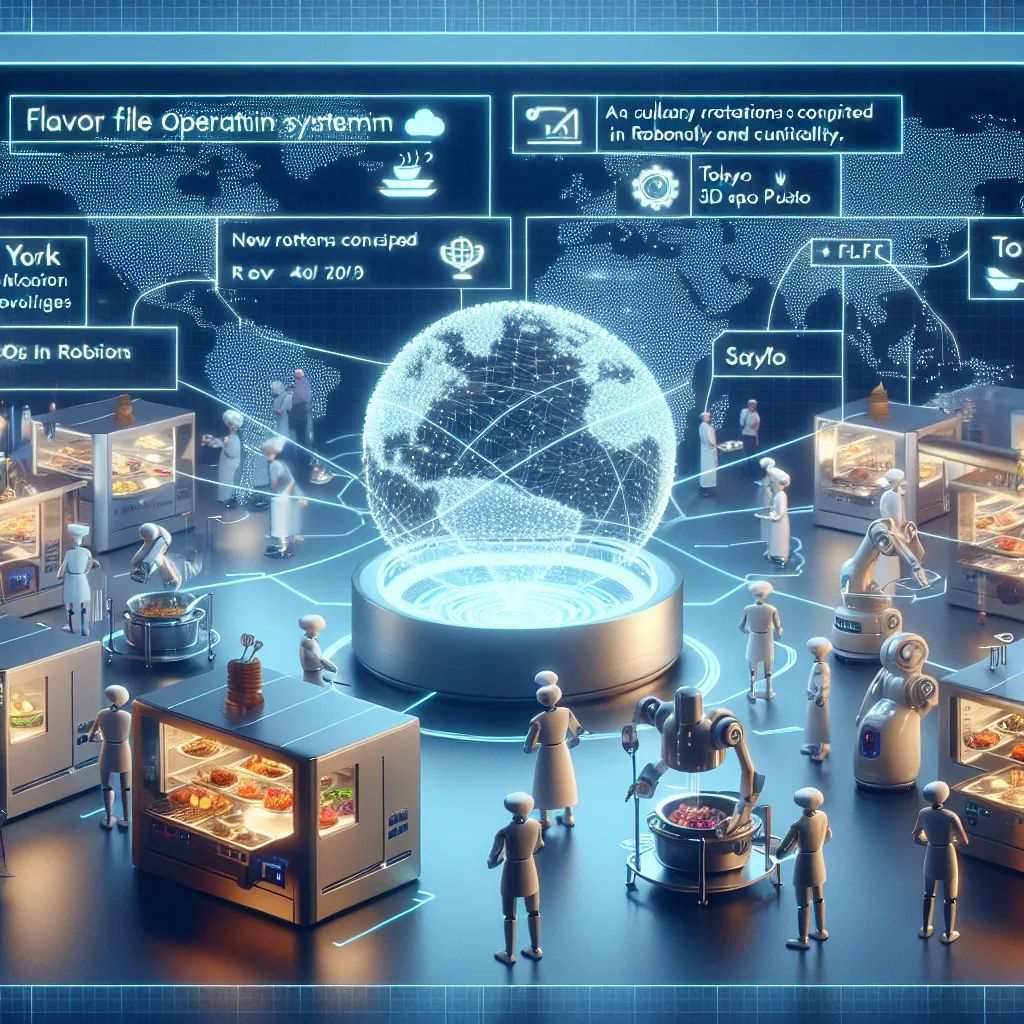
If robots can cook anywhere, why can’t taste travel like data? The Flavor Internet would let chefs and creators stream flavor profiles across a global network of connected kitchens. Imagine a Michelin chef in Paris designing a new dish, and within seconds that exact meal—temperature curves, ingredient ratios, texture maps—is reproduced perfectly in robotic kitchens in New York, Tokyo, and São Paulo. It’s Spotify for taste: creators upload “flavor files,” fans subscribe, and connected kitchens download and reproduce them on demand. The problem: food innovation is trapped by geography. Even with automation, great cooking still happens locally. The solution: digitize taste itself—turn recipes into data packets that can be replicated anywhere a robot can cook. Why now? Wonder just bought Spyce, connecting physical kitchens through a tech backbone. AI can already generate recipes, 3D printers can extrude ingredients, and robotic kitchens can execute with precision. The next step is interoperability—a protocol for food. Whoever builds the Flavor Internet becomes the operating system for the global restaurant industry. It sounds insane—until you realize: someone already built it for music, video, and code. Food is next.
Description
No additional description provided.
The Pitch
In our interconnected world, data flows seamlessly, transforming industries from music to video. Yet, despite advancements in automation, food remains geographically bound. Renowned dishes are often exclusive to their locales, limiting the reach of culinary creativity. As innovations like AI-generated recipes and robotic kitchens emerge, a unique opportunity arises to revolutionize how we perceive and distribute taste.
### The Problem:
Culinary innovation is largely a local phenomenon. Even with automation, exceptional dishes remain trapped within the confines of their regions. While technology can streamline cooking processes, it hasn't yet democratized access to diverse and authentic culinary experiences globally.
### The Solution:
Introducing the Flavor Internet, a groundbreaking concept aiming to digitize taste. By turning recipes into data packets, flavor profiles can transcend geographic limitations, allowing robotic kitchens worldwide to replicate dishes created by top chefs. This platform would allow culinary creators to stream their innovative recipes, creating a global network of taste.
### Product Details:
- **Flavor Files**: Digital representations of recipes, encompassing precise measurements, temperature controls, and texture data. These would allow robotic kitchens to reproduce dishes exactly as the creator intended.
- **Connected Kitchens**: Smart kitchens equipped with the latest in AI, 3D food printers, and robotics. These kitchens would be the physical nodes receiving and executing flavor files.
- **Creator Platform**: A digital space where chefs upload their creations. This platform would offer insights into trends, popularity, and user feedback, acting as both a marketplace and community hub.
- **Subscription Service**: Much like Spotify for music, users can subscribe to channels or individual chefs, gaining access to a stream of unique recipes.
### Tools for Launching as an MVP:
- **API Development**: Create an open API for chefs and developers to integrate their devices and systems, promoting interoperability.
- **Robotics SDK**: A software development kit to ensure seamless integration with robotic kitchen hardware.
- **User-Friendly Interface**: Design a platform that's accessible for both tech-savvy chefs and traditional culinary artists, with intuitive navigation and support systems.
- **Partnerships and Collaborations**: Collaborate with existing robotic kitchen manufacturers and culinary institutions to test and refine the system.
### GTM (Go-To-Market) Strategy:
1. **Pilot Program**: Launch in collaboration with renowned tech-oriented restaurants to create buzz and validate the concept.
2. **Influencer Partnerships**: Engage with popular chefs and culinary influencers to generate initial content and attract users.
3. **Localized Marketing**: Tailor promotions to specific culinary cultures and regions, initially focusing on tech-friendly cities.
4. **Educational Workshops**: Host events explaining the concept, demonstrating robotic cooking, and encouraging culinary experimentation.
### Business Model:
- **Subscription Plans**: Offer tiered subscriptions for consumers, with options for exclusive content or all-access passes.
- **Revenue Sharing**: Implement a revenue-sharing model with chefs and culinary creators based on the popularity of their content.
- **Enterprise Solutions**: Provide tailor-made solutions for large restaurant chains and food businesses, integrating Flavor Internet with their existing operations.
- **Advertising and Sponsorships**: Partner with food brands and tech companies for promotional opportunities within the platform.
In conclusion, the Flavor Internet aims to bridge the gap between geographic culinary innovation and global accessibility, transforming how we experience and share taste. By leveraging cutting-edge technology and a visionary approach, we can disrupt the culinary world just as music and video streaming did in their respective fields.