Fintech Platform Revitalizes Post-Subsidy Clean Energy Financing
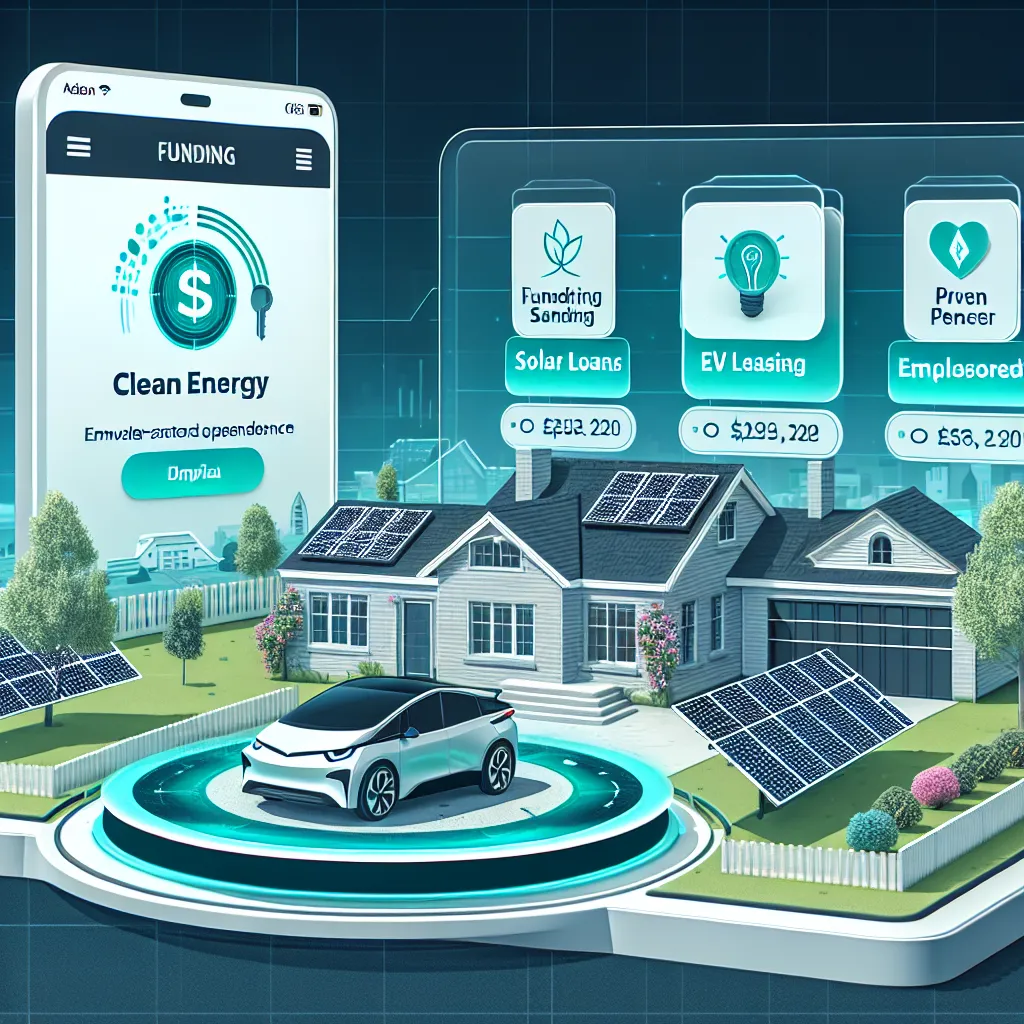
As federal green tax credits are phased out, the clean energy market is entering a precarious phase. Solar, EVs, and battery installations become harder to justify financially for middle-class households without subsidies. Most financing providers are structured around those incentives—leaving a massive gap. A novel solution is a dedicated fintech platform that offers clean energy lending products for the post-incentive era: fixed-rate solar loans, EV leasing backed by local lenders, and even employer-sponsored “green perks” that subsidize sustainable purchases. Think of it as the Affirm or Klarna of climate tech—integrated directly into point-of-sale systems at solar companies and dealerships. For example, a regional solar provider in Arizona could use the platform to help customers finance rooftop panels with low-interest loans from mission-aligned credit unions, closing the deal without relying on federal tax rebates. As the public sector steps back, private capital must step up—and this makes that seamless.
Description
No additional description provided.
The Pitch
The transition to clean energy has been significantly fueled by federal incentives and rebates that made solar panels, electric vehicles (EVs), and battery installations more financially accessible to middle-class households. However, as these federal green tax credits are phased out, the clean energy market faces a challenging period. The crux of the issue lies in making clean energy solutions financially viable without the crutch of government incentives, especially for middle-income consumers. This creates an urgent need for innovative financing solutions that can fill the void left by fading incentives.
Problem Statement
The gradual withdrawal of federal incentives has revealed a vulnerability in the clean energy market's financial structure. Many financing providers are heavily reliant on these incentives, and without them, middle-class households find it increasingly difficult to justify the upfront costs of clean energy installations. This poses a significant obstacle to the widespread adoption of solar energy, EVs, and related technologies. Without viable financing options, the growth of the clean energy sector may stagnate, undermining efforts to combat climate change.
Proposed Solution
To address this challenge, a novel fintech platform is proposed to facilitate clean energy financing independent of federal incentives. This fintech platform will offer a suite of specialized lending products tailored for the post-incentive era. These products will include fixed-rate solar loans, EV leasing options backed by local lenders, and innovative employer-sponsored “green perks” that subsidize sustainable purchases. By integrating these financing solutions directly into point-of-sale systems at solar companies and dealerships, the platform aims to simplify the purchasing process for consumers and enhance the appeal of clean energy investments.
Product Details
1. Fixed-Rate Solar Loans - Long-term loans with attractive interest rates for purchasing and installing solar panels. - Partnered with mission-aligned credit unions to provide accessible financial products tailored to the needs of the community.
2. EV Leasing Options - Flexible leasing terms for electric vehicles with backing from local lenders. - Facilitates easier access to EVs without requiring large upfront payments.
3. Employer-Sponsored Green Perks - Programs where employers can offer subsidies to employees for sustainable purchases. - Encourages adoption of clean energy solutions as an employee benefit.
Tools for MVP Launch
1. No-code development platforms like Bubble or OutSystems for rapid prototyping. 2. Cloud computation and data management solutions from providers like AWS or Azure. 3. Partnership management systems to easily integrate with credit unions and local lenders. 4. Secure payment and transaction processing solutions from companies like Stripe or PayPal.
Go-To-Market Strategy
1. Strategic partnerships with local solar providers and car dealerships for direct integration of financial products. 2. B2B outreach to credit unions and local lenders to foster mission-aligned collaborations. 3. Marketing campaigns highlighting the financial benefits of clean energy investments in the post-incentive landscape. 4. Pilot programs in regions with high solar energy potential, such as Arizona, to test and refine the platform.
Business Model
1. Transaction fees as a percentage of loans processed through the platform. 2. Subscription fees for solar companies and dealerships that integrate the fintech solution into their point-of-sale systems. 3. Partnership fees from local lenders who join the network to provide tailored loans and leasing options. 4. Revenue sharing from employer-sponsored green perks programs.
Conclusion
The phase-out of federal incentives presents both a challenge and an opportunity within the clean energy market. By creating a dedicated fintech platform that bridges the financing gap, we can incentivize private capital to support the transition to sustainable energy. This solution stands poised to become the Affirm or Klarna of climate technology, empowering consumers to make environmentally responsible choices without relying on governmental support. Through strategic partnerships, adaptable lending products, and a strong go-to-market strategy, this platform can transform the clean energy financing landscape and catalyze continued growth in the sector.