Finite Products for Meaningful Consumption
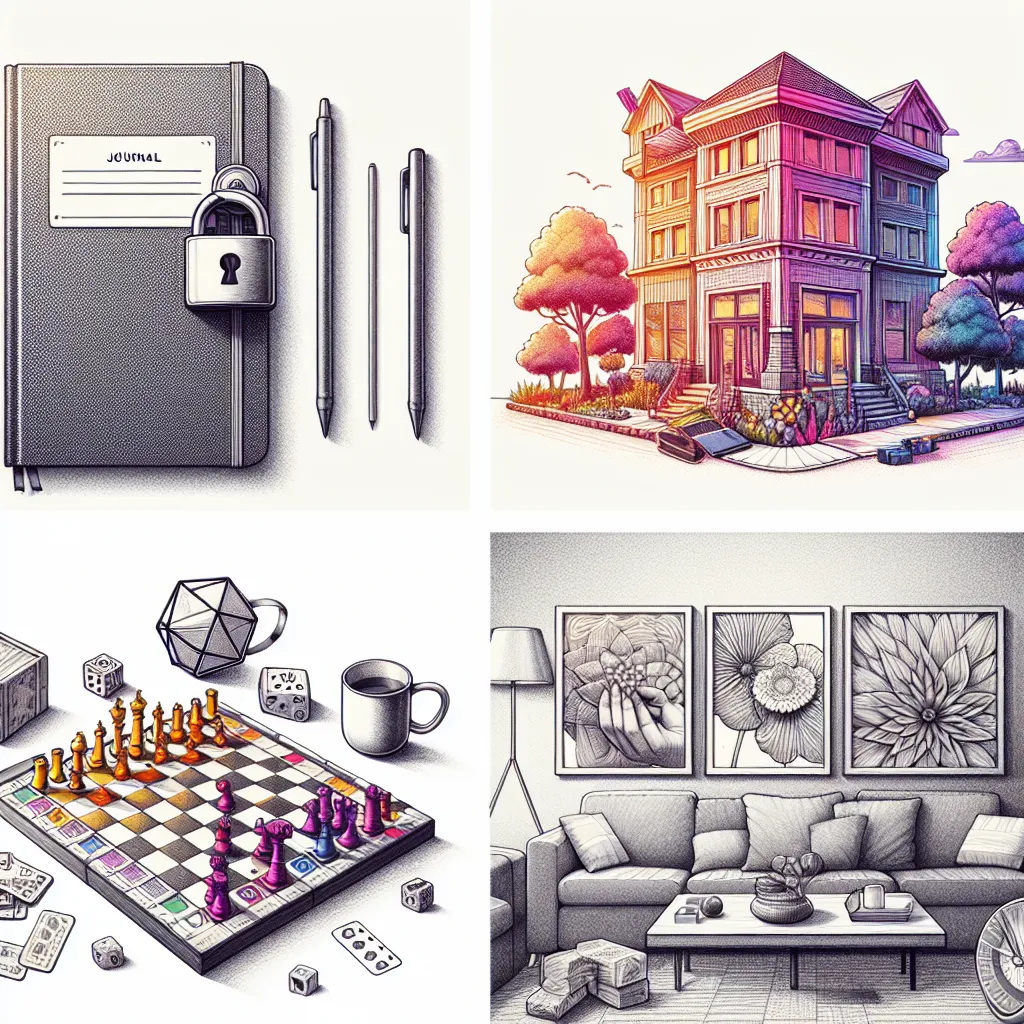
Digital products never end, which is why they exhaust us. This company designs physical products intentionally meant to finish. A journal that locks permanently after 90 days. A board game that self-retires once a story arc is complete. A home object designed to break down gracefully after fulfilling its purpose. The product doesn’t fail — it completes. The insight is that meaning requires limits, and limits create attachment. As people crave intentionality over infinite consumption, objects with defined lifecycles feel more human than endlessly reusable ones. Completion becomes the feature.
Description
No additional description provided.
The Pitch
In today's fast-paced digital age, we're inundated with infinite options, from streaming services to social media, leaving many feeling overwhelmed. Despite the convenience and accessibility these digital products offer, there's a growing desire for more tangible, intentional experiences. People are seeking more connection with the items they purchase, longing for a deeper meaning and a sense of completion in their lives. This desire has led to the emergence of a new concept—creating physical products that are purposefully designed to have a clear endpoint. This approach channels people's wish for intentionality and significance, moving away from the exhaustion of endless consumption.
Problem: The never-ending cycle of digital and infinitely reusable products often leaves consumers feeling detached and overwhelmed. There is a lack of closure, making it difficult for individuals to feel satisfaction or a sense of accomplishment. In a world where everything seems to extend infinitely, the absence of a natural end point can result in stress and fatigue. People yearn for simpler and more meaningful interactions—ones where limits are clear and completion is celebrated.
Solution: To address this problem, we propose a line of physical products intentionally designed to conclude. These products offer a unique twist: once their intended lifecycle or purpose is fulfilled, they gracefully end. Rather than viewing product completion as a failure, it's celebrated as a feature. This approach not only provides a sense of achievement but also fosters a deeper attachment to the product itself. This is about imbuing our lives with objects that have inherent meaning and limits, reducing clutter, and enhancing emotional and mental clarity.
Product Details: 1. A 90-Day Journal: A beautifully crafted journal that locks permanently after 90 days of use. Each page is designed to encourage daily reflection and growth, providing users with a tangible way to track their personal journey. Once completed, the journal becomes a cherished keepsake.
2. Story Arc Board Game: An innovative board game that concludes itself once a particular story arc is complete. Every player embarks on a narrative-driven adventure, deepening relationships and creating lasting memories. Once the story concludes, it can be replayed with different story arcs, or preserved as a memory of the shared experience.
3. Home Object with a Lifecycle: A home décor item that gracefully deconstructs after fulfilling its purpose for a predetermined period, encouraging users to cherish it while it lasts and leaving behind no waste.
Tools for Launching an MVP: - Prototype Development Platforms: Utilize platforms like TinkerCAD or Fusion 360 for creating initial product designs. - Rapid Prototyping Services: Partner with 3D printing services to create prototypes for user feedback. - E-commerce Platforms: Use platforms such as Shopify or Squarespace to build a pre-launch landing page to gauge interest. - Survey Tools: Employ tools like Typeform or SurveyMonkey to gather insights from potential customers regarding product concepts and enhancements.
Go-to-Market (GTM) Strategy: - Start with a targeted social media campaign highlighting the concept of Completion as the Feature to create buzz. - Leverage storytelling through blogs or guest articles in lifestyle and design-oriented publications to reach the right audience. - Partner with influencers who resonate with intentional living and minimalism to showcase product benefits. - Utilize crowdfunding platforms, like Kickstarter or Indiegogo, to not only secure funding but also to create anticipation and community engagement around the launch.
Business Model: - Direct-to-Consumer (DTC): Focus on an e-commerce-driven model to reach customers directly, ensuring a personalized and intimate brand experience. - Subscription Model: Offer a subscription service for new story arcs for the board game, creating ongoing engagement and recurring revenue. - Limited Editions: Introduce limited edition designs or variations to create urgency and exclusivity.
Conclusion: In a world saturated with infinite digital products, the opportunity to design physical products with a defined endpoint offers a refreshing alternative. By creating experiences that conclude meaningfully, we can foster deeper connections, enhance satisfaction, and create products that are not only functional but also rich in emotional value. Through strategic development and a thoughtful GTM approach, we can successfully bring this unique concept of designed completion to market, addressing a profound consumer need for meaning and intentionality.