Finance Automation Platform for Creators' Incomes
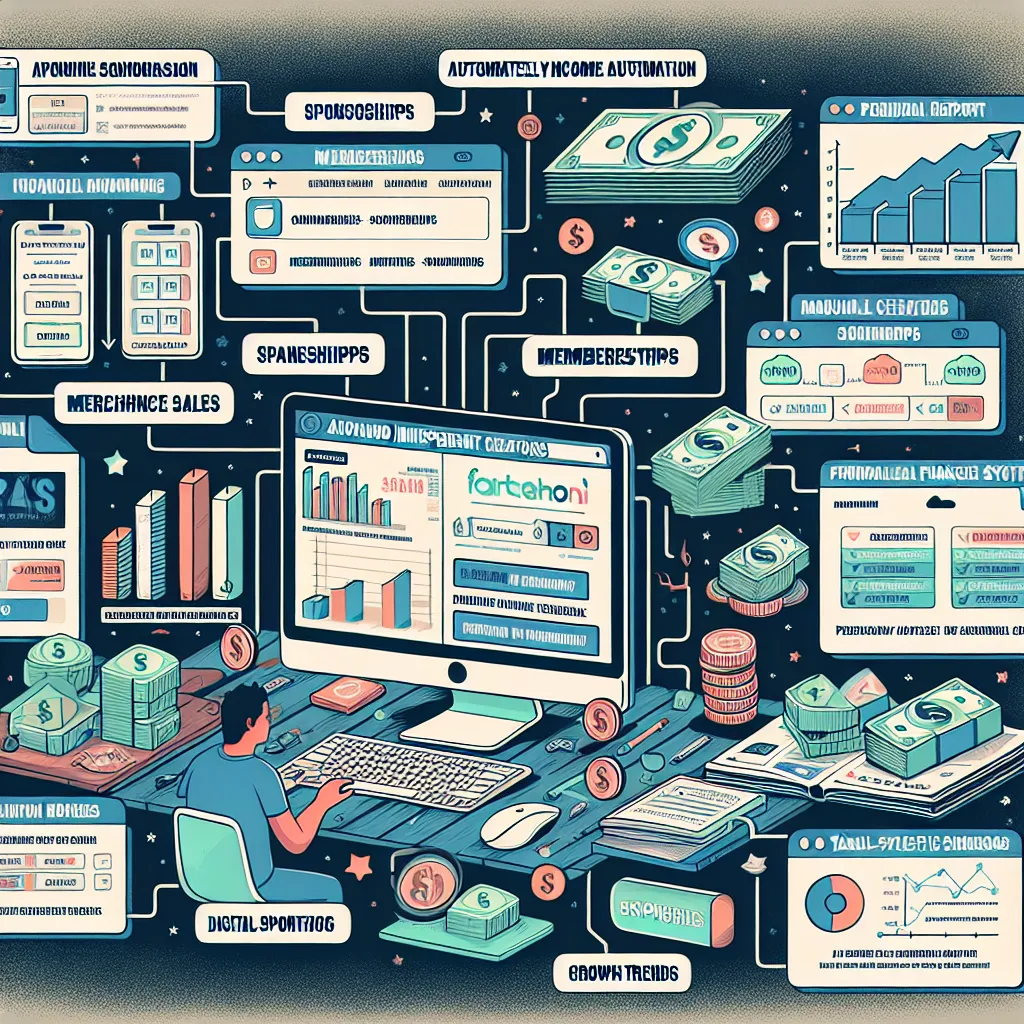
Creators have messy, multi-stream incomes from sponsorships, merch, memberships, and digital products, but existing finance tools treat them like generic small businesses. A finance automation platform could be built specifically for creators, categorizing diverse income types, forecasting taxes on royalties, and offering platform-specific insights. Imagine a YouTuber linking all revenue sources—merch stores, Patreon, sponsorship payments—and getting automatic monthly reports on income breakdown, tax estimates, and growth trends. Unlike traditional accounting software, it would handle the unique complexity of creator finances without manual tagging or reconciliation.
Description
No additional description provided.
The Pitch
In the flourishing landscape of the creator economy, individuals generating content and earning income from diverse streams such as sponsorships, merchandise, memberships, and digital products face unique financial management challenges. Traditional financial tools often fall short, treating these creators as generic small businesses and failing to address their distinct needs. There is an opportunity to develop a finance automation platform specifically for creators that addresses their multifaceted revenue streams and simplifies financial management.
The backstory involves recognizing that creators, unlike typical small businesses, have messy, multi-stream incomes that require specialized handling. This issue is compounded by the varying nature of income, such as royalty-based earnings, which demand unique forecasting for taxes. Additionally, creators need insights that are specific to the platforms they utilize, such as YouTube, Patreon, and merchandise stores, to truly understand their financial position and growth potential.
The problem here is clear: existing finance management tools do not cater to the complexity of creator incomes. Creators often find themselves manually tagging and reconciling income from different sources, struggling to forecast taxes accurately, and lacking detailed insights that would guide their financial decisions more effectively. The absence of a tailored financial management solution leads to inefficiencies and increased stress around tax time, among other pain points.
As a solution, envision a finance automation platform that seamlessly integrates with various creator revenue streams. This platform would automatically categorize and report on the diverse types of income a creator receives. Imagine a YouTuber being able to link all their revenue sources—such as merch stores, Patreon, sponsorship payments—and receiving automatic monthly reports. These reports would break down income, provide tax estimates, and showcase growth trends without any manual intervention. This would eliminate the need for creators to engage in manual tagging or reconciliation, saving them time and reducing errors.
The details of this product would include automated categorization of income types, tax forecasting specifically designed for royalty-based and diverse incomes, and platform-specific insights that empower creators with actionable data. The platform would offer an intuitive dashboard that visualizes financial health and growth potential across all revenue streams, with the ability to generate reports ready for sharing with accountants or financial advisors.
For an easy MVP launch, leveraging existing tools and technologies could be beneficial. Collaboration with financial APIs that connect to platforms like PayPal, Stripe, and major banks would facilitate seamless integration of transaction data. Using AI and machine learning algorithms could enhance the accuracy of income categorization and financial forecasts. Building the front end with a user-friendly interface would be critical to ensure adoptability and ease of use for creators.
In terms of a go-to-market (GTM) strategy, consider focusing on niche creator communities initially, such as YouTubers or those using Patreon, to build a user base. Engaging with these communities through partnerships, webinars, and targeted advertising can raise awareness and drive adoption. As creators are highly connected, leveraging word-of-mouth referrals and testimonials could be instrumental in generating organic growth.
The business model might focus on a tiered subscription approach, where basic features are accessible at a lower cost and advanced analytics or additional platform connections are available at higher subscription levels. Offering a free trial could also allow creators to experience the benefits before committing financially.
In summary, by addressing the unique financial management needs of creators, this finance automation platform would fill a significant gap in the market. It would empower creators to understand and manage their complex incomes more effectively, positioning them for financial success and stability.