FieldSynth: AI for Real-World Environments
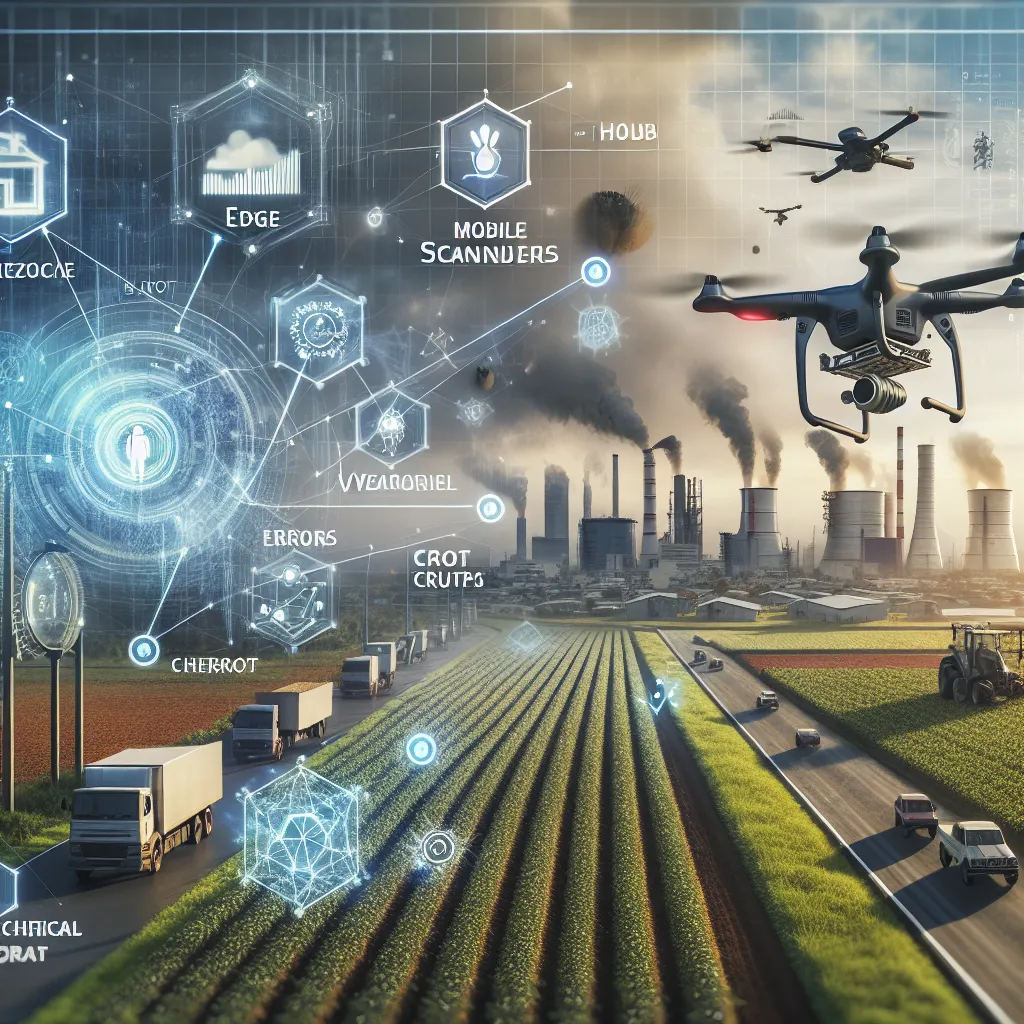
Most AI tools are built for the browser—not the factory, warehouse, or clinic. FieldSynth lets companies build, deploy, and monitor AI models embedded in the physical world—on edge devices, mobile scanners, wearables, or IoT hubs. It supports local inferencing, integrates with hardware, and captures real-world feedback loops (voice, motion, errors) to retrain models over time. Why now? Coatue emphasizes the moat of physical feedback—digitally native startups can’t easily enter these environments. For example, a large agricultural firm could use FieldSynth to deploy a vision model on drones to detect crop diseases and automatically suggest chemical treatments based on terrain and historical weather patterns.
Description
No additional description provided.
The Pitch
In an era where artificial intelligence (AI) primarily thrives in the digital sphere, its integration into physical environments remains a largely untapped frontier. The demand for AI solutions that seamlessly blend into the physical world is growing rapidly, urging the development of robust tools that cater to industries beyond the conventional tech domain. This discussion outlines the journey from recognizing the need for such tools to implementing FieldSynth, a comprehensive platform designed to bridge this gap.
### Understanding the Challenge
While the tech industry rides the wave of evolving AI technologies, sectors like agriculture, healthcare, logistics, and manufacturing struggle to leverage AI effectively due to their reliance on physical environments. These industries require AI solutions that not only process data but also operate on-site, interacting with various physical elements and devices. The limitation lies in the fact that most existing AI tools are developed with a focus on browsers and digital platforms, leaving a significant gap in real-world applications.
### Introducing the Solution: FieldSynth
FieldSynth addresses this gap by providing a versatile platform where industries can build, deploy, and monitor AI models tailored for their unique physical contexts. FieldSynth supports local inferencing and integrates with a multitude of hardware, such as edge devices, mobile scanners, wearables, and IoT hubs. This integration allows businesses to collect real-time data and create feedback loops—which are crucial for retraining and refining AI models over time. By doing so, FieldSynth supports continual improvement and adaptation, ensuring models remain effective in ever-changing environments.
### Product Details
FieldSynth is designed with key features to accommodate varying industrial needs:
1. **Local Inferencing:** Ensures that AI models can make decisions on-site without the need for constant internet connectivity, crucial for remote locations.
2. **Comprehensive Hardware Integration:** Offers seamless integration with numerous devices such as drones, wearables, and IoT systems, enabling data collection and model deployment in real-time.
3. **Real-World Feedback Loops:** Captures diverse input types, including voice, motion, and errors, allowing for dynamic model retraining and optimization.
4. **Scalability and Flexibility:** Built to scale according to business needs, allowing for expanding capabilities as operations grow or adapt.
### Tools for Easy MVP Launch
To simplify the process of launching a minimum viable product (MVP) with FieldSynth, potential builders can leverage the following tools:
- **Cloud-Based Development Kits:** Provide a sandbox environment to experiment with models before deploying them in the field. - **Pre-Configured Edge Devices:** Streamline initial setup and deployment processes. - **Sample Data Sets and Models:** Offer a baseline for developing customized solutions without starting from scratch. - **Integration APIs:** Facilitate easy connections with existing systems and hardware.
### Go-To-Market Strategy
The go-to-market (GTM) strategy for FieldSynth involves the following phases:
1. **Targeted Outreach:** Focus on industries where AI application in physical environments can dramatically enhance operations, like agriculture and logistics.
2. **Partnership Building:** Collaborate with hardware manufacturers and service providers to create robust ecosystems that enhance field operations.
3. **Pilot Projects:** Develop pilot projects with early adopters to generate case studies and testimonials, building credibility and showcasing tangible benefits.
4. **Educational Campaigns:** Conduct workshops and webinars to educate potential users on the advantages of integrating AI into their operations.
### Business Model
FieldSynth operates on a subscription-based model, offering tiered pricing based on the scale and complexity of deployment needs. Additional revenue streams include professional services for customization, training, and ongoing support to ensure successful implementation and maintenance.
### Conclusion
FieldSynth is uniquely positioned to transform industries by embedding AI within the very fabric of their operations. By offering solutions that are deeply integrated into physical environments, FieldSynth not only fulfills an unaddressed need but also creates a strategic advantage that is difficult for digitally native competitors to replicate. As industries increasingly recognize the value of real-world AI applications, FieldSynth is poised to lead the charge in this exciting frontier.