Farmers Markets: Launchpad for Creative Entrepreneurs
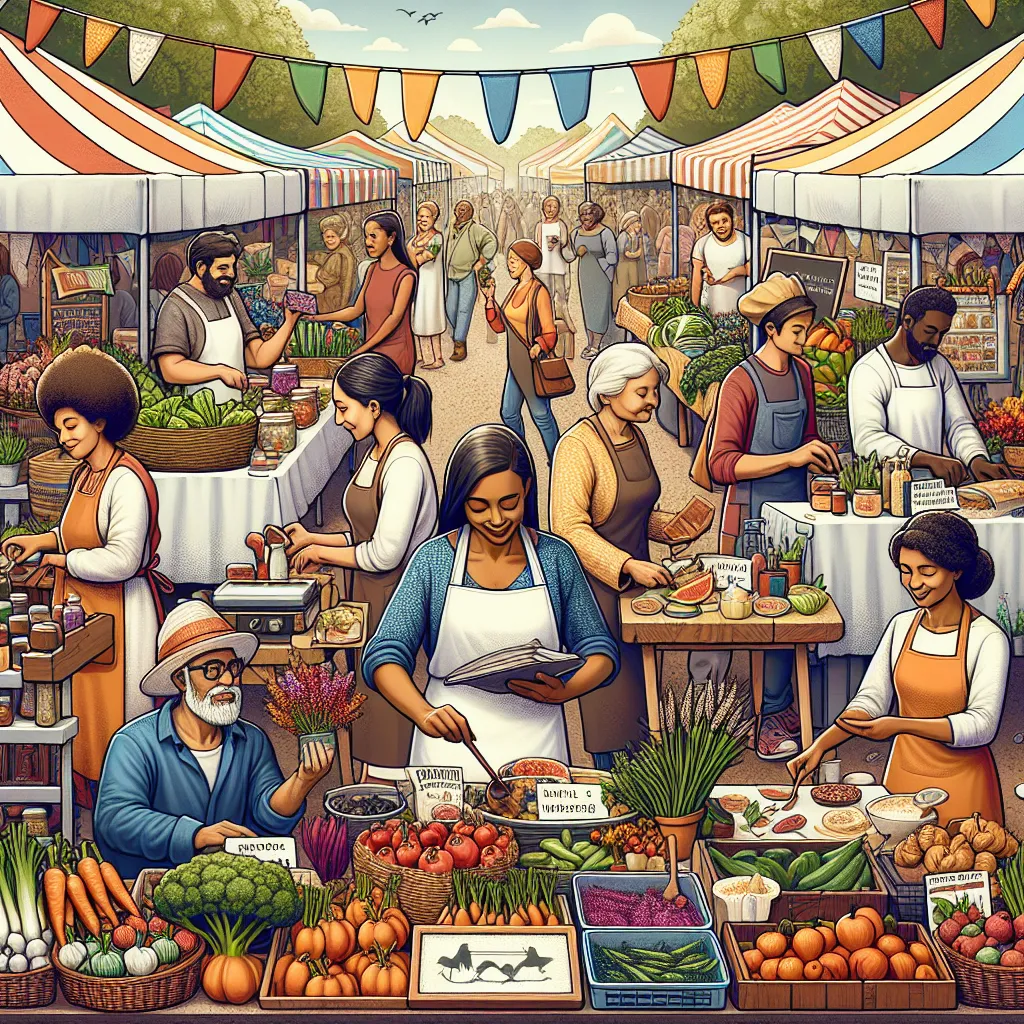
Many aspiring food or craft entrepreneurs struggle to find cost-effective, low-risk ways to test products. Farmers markets offer direct access to customers, instant feedback, and strong profit margins without the need for a storefront. With minimal startup costs and flexible hours, this is a proven path for people looking to turn hobbies or skills into income. It’s a hyper-local business model and a great weekend side hustle, especially for creatives or makers.
Description
No additional description provided.
The Pitch
In today's entrepreneurial landscape, many aspiring food and craft enthusiasts face significant challenges in bringing their ideas to life. A common hurdle is finding a cost-effective and low-risk method to test their products in the market. Traditional retail requires significant investment and commitment, which can be daunting for new entrepreneurs. Farmers markets present an ideal solution that addresses these barriers, offering a platform to validate ideas, engage with customers directly, and achieve profitability with minimal upfront costs.
Backstory
For many individuals with a passion for creating unique food items or handmade crafts, the dream is to transform their skills into a sustainable business. However, limited resources and the uncertainty of customer interest often deter them from taking the next step. Traditional retail approaches require securing a storefront, managing high overhead costs, and navigating complex logistics—all significant risks for someone just starting out. Farmers markets, however, provide an accessible entry point. They offer an established venue where entrepreneurs can showcase their products, engage face-to-face with customers, and receive instant feedback, all while bypassing the financial strain of a permanent retail location.
Problem
The primary challenge for new entrepreneurs is the inability to efficiently test and validate their products due to financial constraints and market uncertainties. Launching a product without direct customer interaction can be costly and risky, often leading to significant trial and error.
Solution
The solution lies in leveraging the unique environment of farmers markets. They offer a low-risk, high-interaction platform for product testing and customer engagement. Entrepreneurs can set up stalls on weekends, allowing them to pursue their ventures as a side hustle, without interrupting their primary occupation. This environment nurtures creativity and innovation, providing real-time insights into customer preferences and product appeal.
Product Details
Farmers markets are not one-size-fits-all; each offers a unique opportunity tailored to the local community. Entrepreneurs can participate in different markets to reach varied customer bases. The setup process is straightforward and typically involves renting a booth space, which is a fraction of the cost compared to long-term retail leases. Vendors have the autonomy to design their stalls, showcase their brand personality, and test multiple product lines without the financial burden of mass production.
Tools for Launching as an MVP
1. Product Development: Use small-batch production techniques to keep costs low while refining the product based on customer feedback. 2. Branding: Create a simple brand identity using tools like Canva for designing logos, banners, and marketing materials that align with the products' unique selling proposition. 3. Payment Solutions: Utilize point-of-sale systems such as Square or mobile payment options to streamline transactions and manage sales efficiently. 4. Feedback Collection: Implement easy survey tools like Google Forms or simple feedback cards to gather customer opinions and improve products continuously.
GTM Strategy
1. Market Research: Identify local farmers markets, understand their demographics, and choose ones that align with the target audience. 2. Pre-launch Marketing: Leverage social media platforms to build anticipation by showcasing the product journey, sneak peeks, and launch announcements. 3. Networking: Connect with fellow vendors and local influencers to build community support and extend reach through word-of-mouth promotion. 4. First-sale Strategy: Offer launch-day specials or free samples to attract initial customers and create buzz around the stall.
Business Model
This venture operates primarily as a direct-to-consumer model, eliminating intermediaries and enhancing profit margins. Revenue comes from direct sales to customers, allowing for the flexibility to adjust pricing based on real-time market feedback. Success depends on building strong relationships with customers, fostering repeat business through loyalty programs or exclusive market-day offers. Expansion opportunities include entering multiple local markets, scalable product lines, and even transitioning to a broader e-commerce platform once validated and refined.
Conclusion
Farmers markets offer a dynamic platform that bridges the gap between a hobbyist’s dreams and tangible entrepreneurial success. This model effortlessly accommodates the desire to experiment, learn, and grow on a small scale, making it an ideal starting point for anyone ready to venture into the world of food and crafts. By minimizing financial risks and maximizing customer engagement, farmers markets are a compelling avenue for aspiring entrepreneurs to realize their vision and generate meaningful income.