Family Screen-Time Marketplace: Earning and Trading Minutes
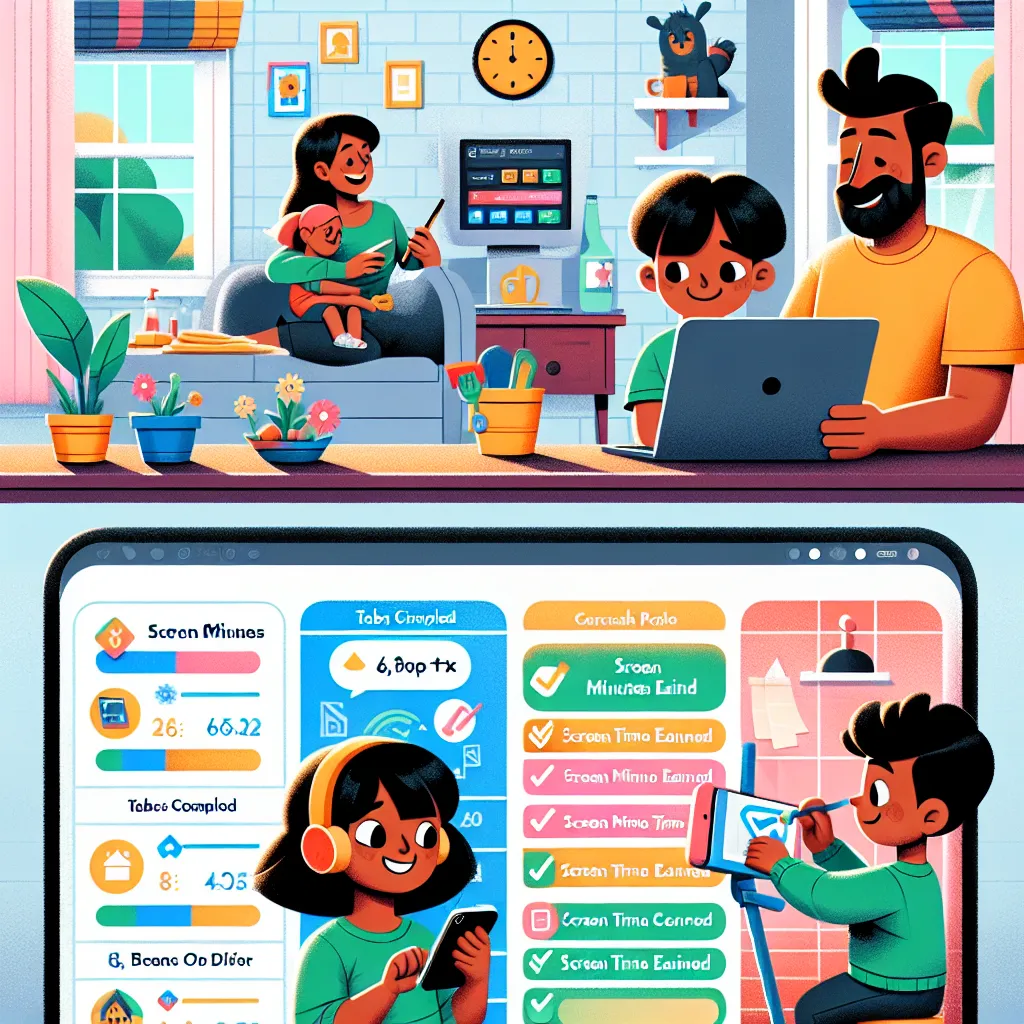
Every parent has rules about screen time — few have systems. A family “screen-time marketplace” lets kids earn, trade, and bank screen minutes by doing chores, reading, or exercising. Instead of a strict allowance, kids earn screen “credits” through real-world actions, and parents get an easy dashboard to assign and approve. This brings economics into parenting: time becomes a currency, not a fight. With fintech gamification normalizing digital allowances (e.g. Greenlight cards), the same concept can apply to attention management. Picture siblings negotiating: “I’ll clean your room if you transfer me 10 minutes of Roblox time.” Suddenly, discipline turns into a market — and everyone learns opportunity cos
Description
No additional description provided.
The Pitch
In our digital age, the question of screen time allocation is a frequent topic of discussion in households with children. Parents are often faced with the challenge of managing screen time effectively without causing daily conflicts. While rules exist, the lack of structured systems leads to inconsistencies and sometimes, disputes. Enter the concept of a family screen-time marketplace – an innovative way to balance screen use with personal responsibility, transforming how families navigate this modern-day dilemma.
**Backstory**
As digital devices become integral to everyday life, children’s engagement with screens has skyrocketed. Parents often find themselves struggling to impose limits, leading to recurrent debates about screen usage. This not only affects family relationships but also impacts the development of important life skills in children, such as time management, responsibility, and financial literacy.
**Problem**
The lack of a structured system to manage screen time creates a complex environment for families. Rules are often arbitrary and can lead to tension between parents and children. Moreover, children miss out on learning crucial life skills such as negotiation, prioritization, and trade-offs when no system is in place to imbue these elements in their daily routines.
**Solution**
A family screen-time marketplace offers a structured, gamified approach to screen management. By transforming screen time into a currency, children can earn screen minutes through real-world actions like chores, reading, or exercising. Parents can then allocate and monitor screen time using a straightforward dashboard, eliminating the need for constant negotiations.
**Product Details**
1. **Dashboard for Parents**: Provides an intuitive interface where parents can assign tasks, approve completed ones, and allocate screen time credits to each child.
2. **Kid-Friendly App**: Designed for children to view tasks, track their progress, earn screen credits, and manage their time. It encourages them to engage in activities to earn their desired screen time.
3. **Family Ledger**: A shared platform that shows screen time transactions, teaching children the basics of earning, saving, and spending time just like money.
4. **Trading System**: Allows siblings to negotiate and trade screen credits with each other, promoting collaboration and understanding the basic principles of a marketplace.
5. **Behavioral Insights**: Parents receive insights into their children’s activities, helping them understand preferences and encourage productive habits.
**Tools for MVP Launch**
1. **Task Management Software**: Use tools like Trello or Asana to outline the core functionalities needed.
2. **No-code Platforms**: Leverage platforms like Bubble or Adalo to quickly create prototypes without extensive development resources.
3. **Gamification Plugins**: Incorporate gamification tools from platforms like Bunchball to enhance engagement.
4. **Feedback Systems**: Integrate tools such as SurveyMonkey or Typeform for gathering initial user feedback.
**GTM Strategy**
1. **Target Audience**: Focus on families with children aged 6-14, emphasizing the value of balanced screen time management.
2. **Partnerships**: Collaborate with parenting organizations, schools, and digital wellness groups to reach a larger audience.
3. **Social Media Campaigns**: Utilize platforms like Instagram and Facebook to create awareness and engage with potential users.
4. **Influencer Collaborations**: Partner with family and parenting influencers to promote the product and share personal success stories.
5. **Educational Content**: Develop blogs, webinars, and workshops on digital wellness and the benefits of structured screen time.
**Business Model**
1. **Freemium Model**: Offer a basic version for free with essential features, while providing a premium version with advanced features and analytics at a subscription fee.
2. **Family Subscription Plans**: Offer monthly or yearly subscriptions for extended family usage and additional premium functionalities.
3. **In-App Purchases**: Allow purchases of additional features like custom themes, advanced analytics, and more task templates.
4. **Partnership Deals**: Develop partnership models with educational and tech companies to offer bundled services.
By creating a marketplace for screen time, families can navigate digital consumption with ease and equity, turning what was once a contentious issue into an opportunity for learning and growth.