Family OS: Unified Emotional Memory Platform
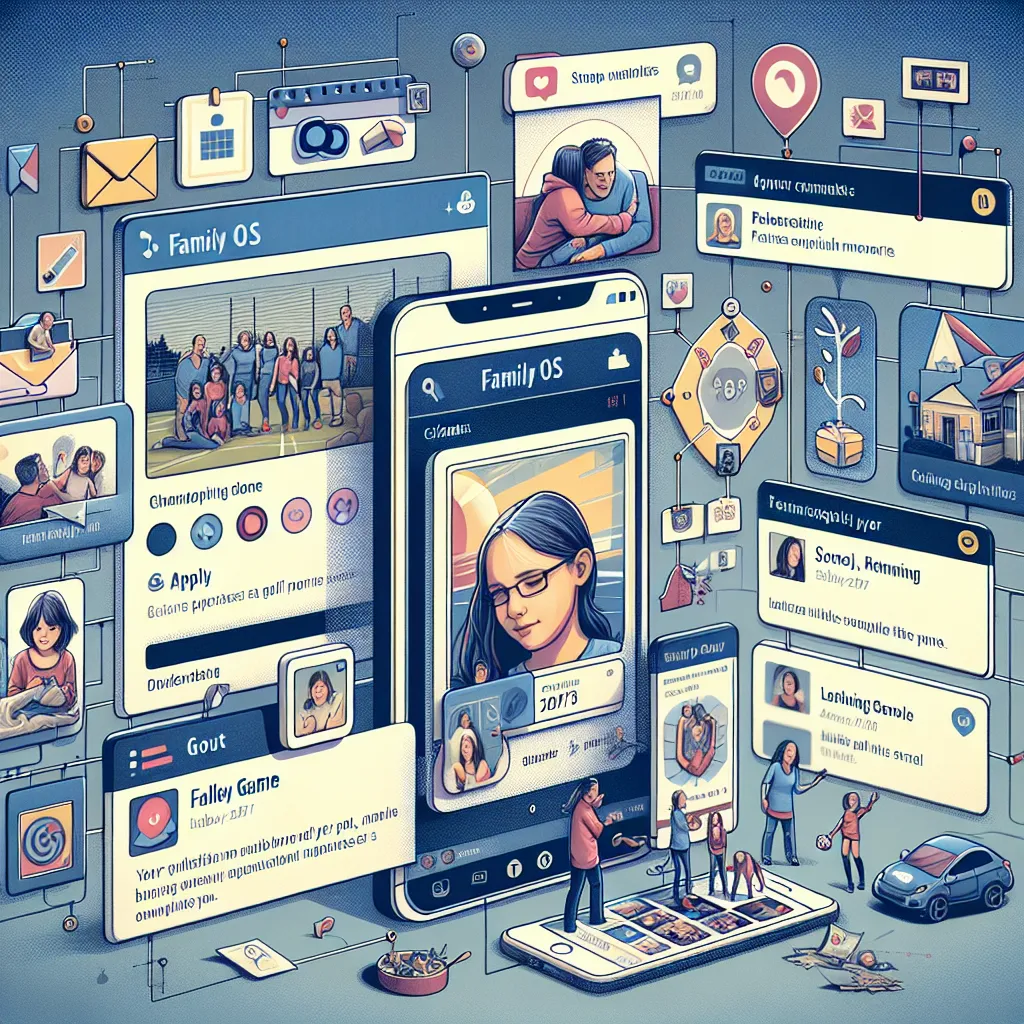
Modern families run on fragmented tools—group texts, calendars, photo apps, school emails—and someone inevitably becomes the “human operating system” responsible for remembering everything. The problem isn’t scheduling; it’s maintaining shared context about what’s happening in everyone’s lives. Family OS would be a lightweight digital layer that captures small moments—photos, notes, updates, milestones—and uses them to surface memories, patterns, and simple prompts that help families reconnect. As families become increasingly distributed across devices, schools, activities, and work schedules, the need for a shared emotional memory system grows. Imagine opening an app that quietly reminds you that your daughter has a big game this week, surfaces a photo from last year’s game, and suggests carving out time for a family dinner afterward.
Description
No additional description provided.
The Pitch
Families are facing the challenge of staying connected amidst a myriad of digital tools and fragmented communication channels. Group texts, calendars, and photo-sharing apps are all part of the mix, yet they often lack a cohesive structure that helps maintain a shared context among family members. This disconnection often places a heavy burden on one individual to act as the human operating system, managing information flow and coordination.
The Problem: The primary issue is not just managing schedules, but cultivating a shared understanding of what’s happening in each person’s life. With family members often spread across various locations, schools, activities, and work schedules, maintaining emotional and contextual connectivity becomes increasingly complex.
The Solution: Family OS is proposed as a lightweight digital platform designed to bring families closer together. It captures small, meaningful moments such as photos, notes, updates, and milestones. By leveraging this collection, the platform can surface memories, identify patterns, and provide simple prompts that encourage family members to reconnect on deeper levels. This system becomes more than just an organizer—it turns into a family’s emotional memory bank.
Product Details: 1. **Core Features**: - Integrated calendar and scheduling tool that syncs with existing calendars. - Photo and note sharing capabilities to document and share moments. - Milestone tracking for significant events like anniversaries, birthdays, and achievements. - Memory surfacing that reminds users of past family moments with suggestions for new interactions.
2. **User Experience**: - Intuitive interface designed for ease of use for all age groups. - Personalization options based on individual family preferences. - Seamless sync across all devices, ensuring accessibility and convenience.
Tools for MVP Launch: To get started with an MVP, one can leverage existing tools and frameworks to expedite the process: - Use platforms like Flutter or React Native for cross-platform app development. - Leverage Firebase for backend solutions, including authentication and data storage. - Integrate with public APIs for calendar services like Google Calendar. - Employ simple AI and machine learning tools to analyze user data for personalized prompts.
Go-To-Market Strategy: 1. **Target Audience**: Focus initially on tech-savvy families looking for better digital solutions to stay connected. 2. **Strategic Partnerships**: Collaborate with schools and community centers to reach families and demonstrate the value of Family OS. 3. **Marketing Channels**: Utilize social media marketing, family-oriented blogs, and online parenting communities to generate interest. 4. **Referral Programs**: Encourage word-of-mouth by implementing a referral program with incentives.
Business Model: 1. **Freemium Model**: Offer basic functionality for free, with premium features available through a subscription model. 2. **In-App Purchases**: Introduce additional features, such as curated memory packs or personalized prompts, available for purchase. 3. **Data Insights for Partners**: Provide anonymized data insights to schools or community programs to enhance family-related initiatives.
Conclusion: Family OS aims to bridge the gap in family communication by functioning as an inclusive digital hub that fosters emotional connection. By developing a product that captures and curates family moments, the platform not only simplifies logistics but enriches family bonds across distances and busy schedules. Implementing a well-structured GTM strategy will ensure that this intuitive digital resource reaches families in need of a cohesive, shared memory system.