FairShare: Empowering Users to Monetize Data
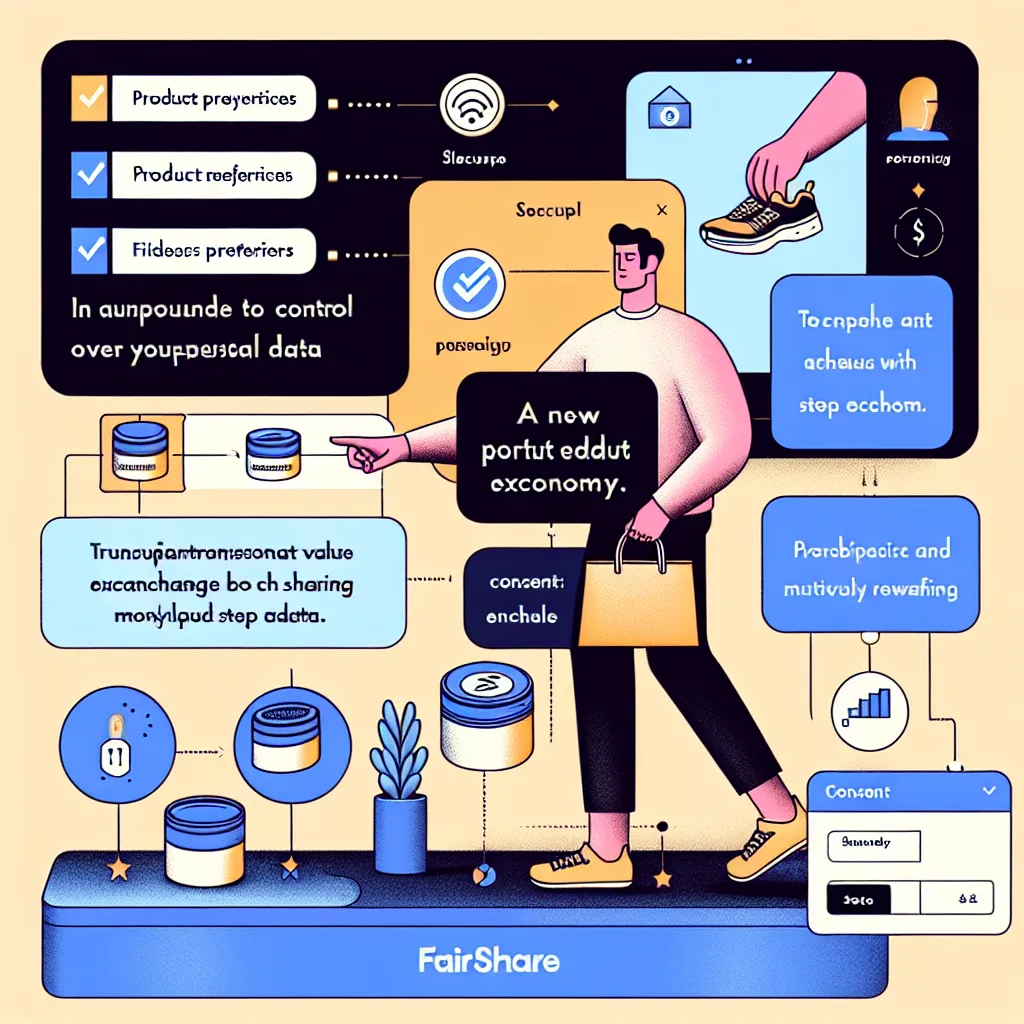
Today’s users understand their data has value—but they rarely see a direct benefit. “62% of people feel they have become the product,” the report notes, and many are uncomfortable with opaque data monetization. FairShare gives users control over what data they share and lets them monetize it ethically through partnerships with trusted brands. Through a personal dashboard, users choose what data to share—like product preferences or fitness habits—and receive perks like discounts, early access, or even small payments in return. For example, a wellness brand might offer users 10% off if they share anonymized step data for audience research. FairShare flips the consent model: instead of passive exploitation, it offers transparent value exchange. It creates a new economy where consent is not just ethical, but mutually rewarding—and puts power back in the hands of users.
Description
No additional description provided.
The Pitch
In today’s digital ecosystem, users have grown increasingly aware of the value inherent in their personal data. Despite this awareness, many individuals feel they have little control over how their data is utilized, often likening themselves to mere products in a vast data economy. To address this unease, FairShare introduces a revolutionary approach to data sharing—one where users maintain control, transparency prevails, and equitable value exchange is the norm.
Background:
As data collection practices have expanded, so too has public concern over privacy and consent. A significant portion of users feel apprehensive about opaque data practices and the notion of becoming commodified products. The current state of affairs calls for a paradigm shift—a way to recognize and reward individuals for contributing their data, thereby restoring trust and establishing ethical standards.
Problem Statement:
Many companies exploit user data without proper consent or adequate compensation. This not only leads to user dissatisfaction but also erodes trust between consumers and brands. There exists a pressing need for a system that provides clarity, control, and direct benefits to those who share their personal information.
Solution:
FairShare presents an innovative solution that empowers users to take charge of their data. Through a user-friendly platform, individuals can manage what information they choose to share and with whom. This system ensures that users are compensated in a meaningful way, creating a transparent and collaborative data economy.
Product Details:
FairShare operates through a personal dashboard where users can manage their data-sharing preferences. Users select specific data points to share, such as product preferences or fitness habits, in exchange for tangible benefits from trusted brand partners. For example, sharing anonymized fitness data could yield discounts, exclusive access, or even monetary compensation.
The platform is designed to be intuitive and engaging, providing users with clear insights into how their data is used and the benefits they receive. FairShare partners with reputable brands committed to ethical data practices, ensuring that user trust is maintained throughout the process.
Tools and Technologies:
To expedite the launch of FairShare as a Minimum Viable Product (MVP), the following tools and technologies can be utilized:
1. Cloud Services: Utilize AWS or Google Cloud for scalable infrastructure. 2. Data Analytics: Implement tools like Google Analytics or Mixpanel to monitor user engagement and data sharing trends. 3. Security Frameworks: Employ robust standards like OAuth for secure user authentication and data protection. 4. User Interface Design: Use platforms like Figma or Adobe XD for designing an intuitive user experience.
Go-To-Market (GTM) Strategy:
1. Education Campaigns: Launch initiatives to inform the public about the value of ethical data sharing and the benefits of using FairShare. 2. Strategic Partnerships: Collaborate with brands known for their commitment to ethical practices to enhance platform credibility. 3. Early Access Programs: Offer early access to select user groups in exchange for feedback, building a base of advocates who can provide testimonials and referrals. 4. Social Media Engagement: Leverage platforms like Twitter, Instagram, and LinkedIn to engage with potential users and share success stories.
Business Model:
FairShare operates on a dual-revenue model:
1. Subscription Fees: Brands pay a subscription fee to access the FairShare platform and engage with users through ethical data-sharing practices. 2. Commission on Transactions: FairShare earns a commission based on transactions facilitated between users and brands, rewarding successful data-sharing exchanges.
Conclusion:
FairShare reimagines the data economy by placing users at the center of the consent and monetization process. By ensuring transparent value exchange and putting control back in the hands of individuals, FairShare not only fulfills a critical need but also sets a new standard for ethical data interactions.