Facial Liveness Verification Platform for Digital Trust
AI-generated video and synthetic identities are rapidly eroding trust in digital interactions, making it harder for platforms to verify that a real human is present. Existing facial verification systems often struggle to distinguish between real users and sophisticated deepfake or AI-generated video attacks. A developer platform focused on facial liveness verification would provide infrastructure and APIs that allow companies to reliably confirm human presence during authentication. This layer would become critical for financial services, recruiting platforms, marketplaces, and content platforms where identity fraud is increasing quickly. Imagine every app—from banking to job interviews—being able to confirm in seconds that the person on camera is physically present and not an AI-generated impersonation.
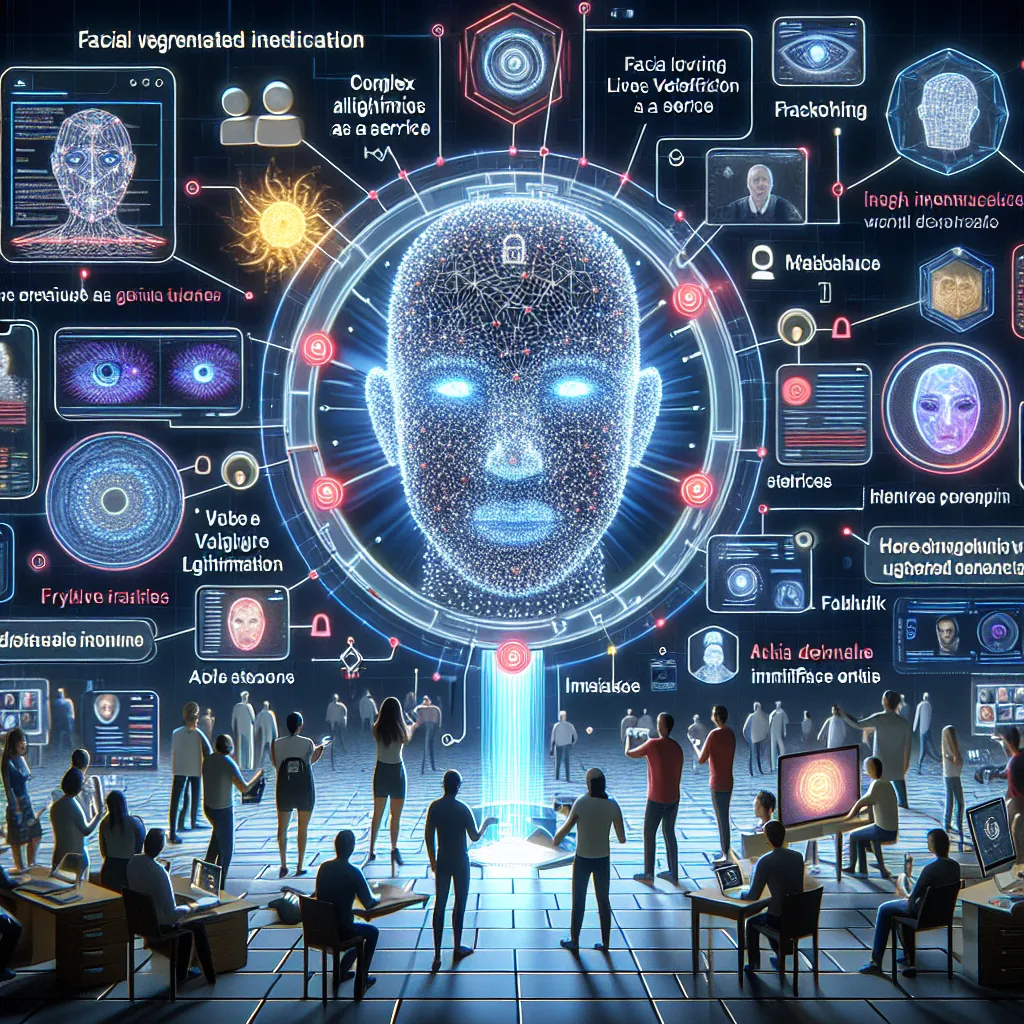
Description
No additional description provided.
The Pitch
In the contemporary digital landscape, the proliferation of AI-generated video content and synthetic identities poses a significant threat to the integrity of online interactions. These advancements have made it increasingly challenging for platforms to verify the presence of genuine human users, which is pivotal in a variety of sectors. Traditional facial verification systems frequently fall short when confronted with the complex and evolving techniques employed in deepfake or AI-generated video attacks. This shortcoming is not just a minor inconvenience—it is a pressing issue that impacts numerous industries, including financial services, recruitment, digital marketplaces, and content platforms where identity fraud incidents are on the rise.
Problem Statement: The core problem is the inability of current verification systems to effectively distinguish between actual human users and sophisticated AI-driven impersonations. Identity verification methods that rely solely on basic facial recognition or static image analysis are no longer adequate, leaving platforms vulnerable to fraud and security breaches. This vulnerability undermines user trust, which is essential for the sustainability and growth of any digital service that requires secure identification processes.
Proposed Solution: To address this growing concern, the creation of an advanced developer platform focused on facial liveness verification is proposed. This platform would offer infrastructure and APIs designed to enable companies to authenticate human presence efficiently and reliably during digital interactions. By leveraging cutting-edge technologies such as real-time behavioral analysis, biometric authentication, and AI-driven anomaly detection, this solution would serve as a robust defense against identity fraud.
Product Details: The platform would consist of several key components:
1. Real-Time Liveness Detection: Utilizing in-depth analysis of facial gestures and micro-expressions to verify genuine human presence.
2. Behavioral Biometrics: Tracking user behaviors that are challenging for AI to replicate, such as natural eye movement and subtle facial dynamics.
3. Anomaly Detection: AI algorithms that identify unusual patterns indicative of deepfake or synthetic content.
4. Easy Integration: Comprehensive APIs and SDKs that allow seamless integration into existing platforms, with support for a wide range of programming languages and frameworks.
5. Security and Privacy Compliance: Ensuring adherence to global standards and regulations on data protection and user privacy.
Tools for Easy MVP Launch: For the initial launch of this platform as a Minimum Viable Product (MVP), several tools and technologies could be employed:
- Cloud Infrastructure: Services like AWS or Azure for scalable computing and storage resources. - Machine Learning Frameworks: Libraries such as TensorFlow or PyTorch for developing sophisticated AI models. - API Management: Platforms such as Postman or Swagger for designing and testing APIs effectively.
Go-to-Market (GTM) Strategy: The GTM strategy for this platform would involve several tactical steps:
1. Strategic Partnerships: Collaborating with tech companies and service providers in target industries to enhance credibility and reach.
2. Early Adopters Program: Encouraging technology enthusiasts and innovators to adopt and test the platform, providing feedback for continual improvement.
3. Educational Content: Developing webinars, whitepapers, and case studies to communicate the value proposition and educate potential customers on the benefits of advanced facial liveness verification.
4. Pricing Model: Implementing a tiered subscription-based pricing structure to cater to diverse customer needs, from small enterprises to large organizations.
Business Model: The business model would revolve around offering a subscription-based service, with potential options for enterprise licensing. Different pricing tiers could be established based on factors such as usage volume, level of support, and additional features tailored to specific industry needs. This approach ensures a steady revenue stream and allows for scalability as more businesses recognize the need to incorporate robust human verification processes into their operations.
By addressing a critical gap in digital security and fraud prevention, this platform has the potential to become an indispensable tool for companies across various sectors, fostering a safer and more trustworthy digital ecosystem.