Experiential Retail Revolution: Transforming Shopping into Interactive Destinations for Enhanced Engagement and Loyalty
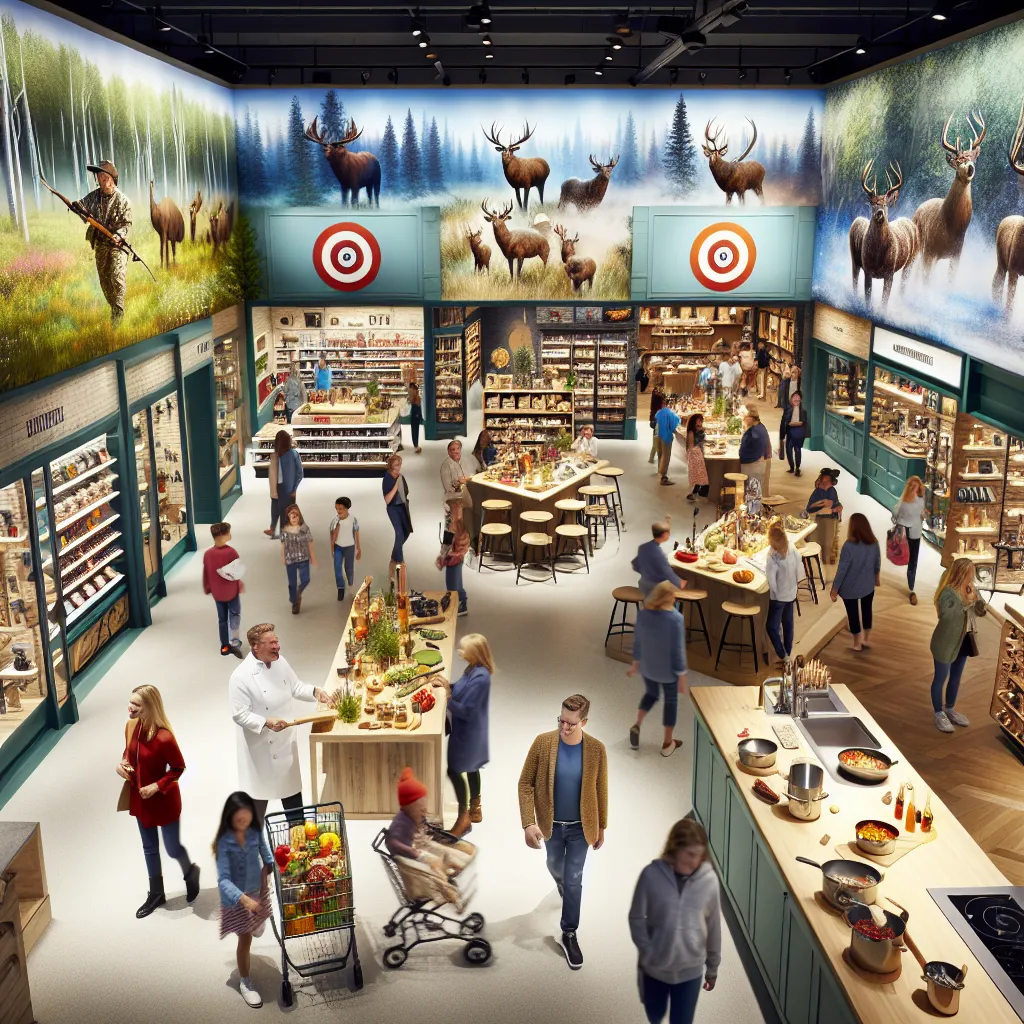
Description
Reimagines traditional retail by transforming stores into immersive, experience-driven destinations where customers actively engage with products. For example, an outdoor store might offer simulated hunting trips and survival training, while a culinary store could host cooking classes with professional chefs and provide demo kitchens for customers to try out cookware. These stores blend shopping with interactive, educational, and entertainment elements, offering themed experiences, hands-on workshops, and community events. The model integrates revenue from product sales, paid experiences, memberships, and events, creating a holistic shopping experience that fosters deeper customer connections and brand loyalty.
The Pitch
Traditional brick-and-mortar stores face increasing competition from online retailers who offer convenience and often lower prices. Conventional retail models struggle to attract foot traffic and maintain customer interest, leading to declining sales and store closures.
Solution Overview: Our model transforms traditional retail spaces into immersive, experience-driven destinations that merge interaction, education, and entertainment. Each store is tailored to its specific product niche, such as outdoor activities or culinary arts, providing themed experiences that actively engage customers with the products. For example, an outdoor store might simulate hunting trips and survival training sessions, while a culinary store could offer cooking demonstrations by professional chefs and interactive kitchen stations where consumers can test products.
Target Audience: The primary audience consists of experience-seekers and hobby enthusiasts. These include millennial and Gen Z consumers who favor experiential shopping over traditional methods and are interested in enhancing their skills or indulging their hobbies while shopping for related products. This model also targets families and educational groups looking for engaging learning experiences in a commercial setting.
Value Proposition: Our approach provides a unique shopping journey that blends product discovery with unforgettable experiences. This not only enhances customer satisfaction and engagement but also incites higher spending per visit and fosters brand loyalty. Furthermore, by offering hands-on experience with products before purchase, we reduce the uncertainty often associated with online shopping, while adding value through educational content.
Market Analysis: The global experiential retail market is poised for growth, with a projected increase as consumers increasingly favor experiences over products alone. Our research indicates a growing demand for experiential and interactive learning in retail, particularly in areas related to personal hobbies and lifestyle enhancements. Several leading retailers have already successfully integrated experiential components, demonstrating increased foot traffic and revenue growth.
Implementation Plan: 1. Pilot Program: Launch themed experience stores in high-traffic urban areas with a diverse demographic. 2. Partnership Development: Collaborate with industry experts and influencers to design authentic and engaging experiences. 3. Technology Integration: Use VR, AR, and other digital tools to enhance the realism and immersion of experiences. 4. Staff Training: Employ knowledgeable staff who are passionate about their specific product areas to facilitate workshops and guide customer interactions. 5. Feedback Loop: Establish mechanisms to gather customer feedback for continuous improvement of the experiences and product offerings.
Monetization Strategy: Revenue will be generated through multiple streams: - Direct product sales from integrated retail spaces. - Fees for premium experiences, such as specialized workshops or celebrity-hosted events. - Memberships offering exclusive benefits such as discounts, early access to events, and members-only workshops. - Partnership and sponsorship opportunities with brands aligned with the experiential themes of the store.
Impact Assessment: The expected impacts include: - Increased foot traffic and extended visit durations compared to traditional retail models. - Higher conversion rates and average spend per customer due to the experiential engagement. - Customer acquisition and retention growth thanks to enhanced brand loyalty fostered by positive and memorable experiences. - Positive broader impacts on local economies as experiential stores can become destinations that attract tourists and visitors.
With a strategic roll-out and focus on high-quality, engaging experiences, this retail model will redefine shopping by making it a richly rewarding, personal journey, leading to profound impacts on customer satisfaction and business profitability.