Expanding U.S. Childcare to Support Night Workers
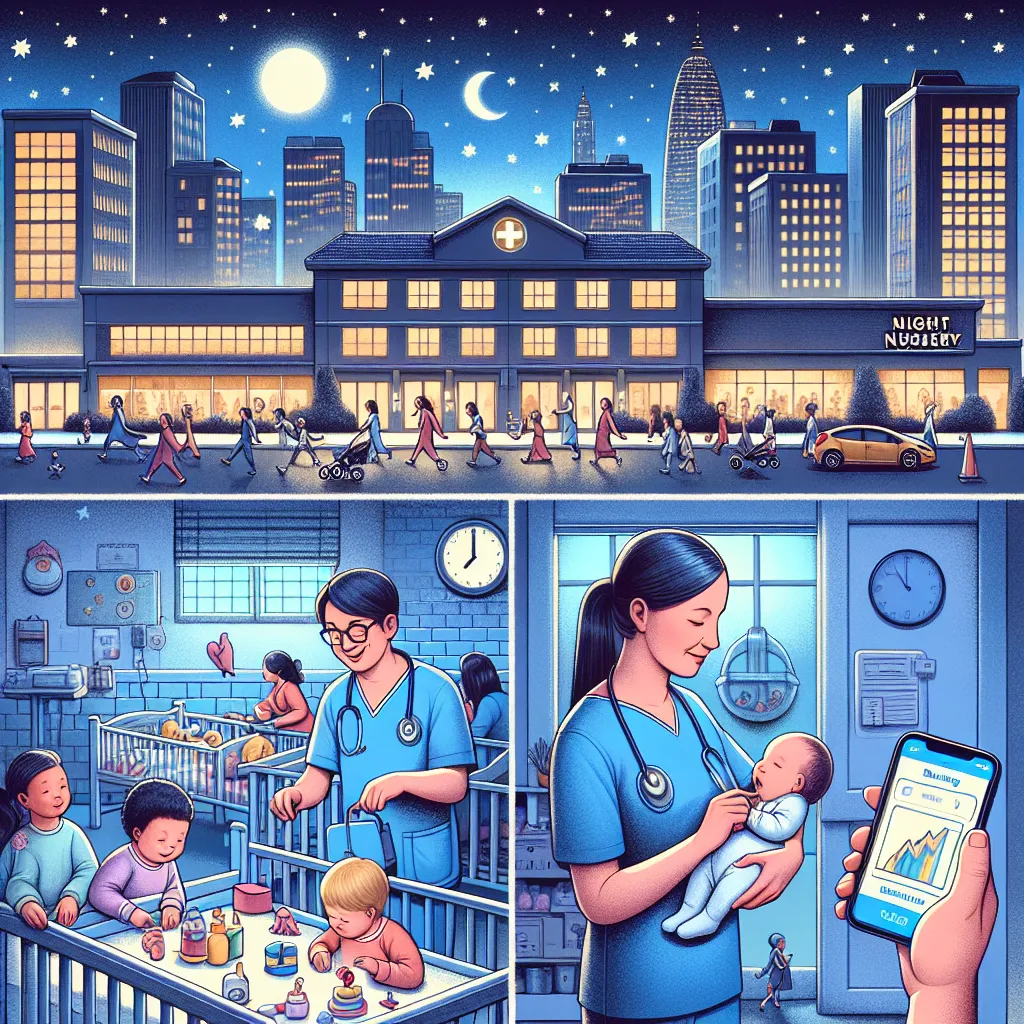
American childcare barely covers 9–5, but millions of workers run on night shifts. In France and the Netherlands, “night nurseries” and flexible childcare networks offer evening and overnight care for parents working in healthcare, retail, or transportation. Municipalities subsidize these services, and parents book online as easily as a babysitter. In Paris, 24-hour childcare centers are common near hospitals. In the U.S., the mismatch between work schedules and daycare hours is one of the biggest barriers for working parents. A scaled nighttime childcare model could unlock workforce participation.
Description
No additional description provided.
The Pitch
As the landscape of work continues to evolve, one persistent issue presents significant challenges for working parents: the limited availability of childcare services during nontraditional hours. While traditional 9-to-5 daycare services are the norm, millions of workers in healthcare, retail, transportation, and other sectors operate on night shifts or irregular schedules. This document outlines an opportunity to address this gap by providing flexible, nighttime childcare solutions that might enhance workforce participation and support working families.
## Backstory
In countries like France and the Netherlands, the concept of “night nurseries” and flexible childcare networks is well-established. These services are designed to cater to parents who work outside of regular hours, providing safe and reliable care for children during evenings and overnight. With municipal support and easy online booking systems, these services have become an integral part of work-life balance in areas with high nighttime economic activity. In cities like Paris, 24-hour childcare centers are commonly found near hospitals and large employers, underscoring the demand and utility of such offerings.
## Problem
In the United States, the mismatch between standard daycare hours and the schedules of nontraditional workers poses a significant barrier for parents. Many cannot find affordable and reliable childcare during the hours they need it most, hindering their ability to fully participate in the workforce. This lack of accessible childcare outside typical business hours limits economic opportunities and exacerbates challenges for families who must navigate these scheduling conflicts.
## Solution
To address the needs of these families, a scaled nighttime childcare model is proposed. By creating a network of 24-hour childcare centers strategically located near major employers and transportation hubs, this initiative could provide the necessary support for parents working night shifts. The service would offer a mix of evening, overnight, and weekend care, readily accessible through a digital booking system similar to popular babysitter platforms.
## Product Details
- **Childcare Centers**: Facilities offering secure, engaging, and nurturing environments for children during their parents' nontraditional working hours. - **Staffing**: Qualified caregivers trained in overnight child supervision, emergency protocols, and child wellness. - **Locations**: Centers situated near hospitals, airports, retail districts, and industrial parks for convenience. - **Booking System**: An intuitive mobile and web platform enabling parents to schedule care, view caregiver profiles, and receive real-time updates. - **Flexible Packages**: Options for single reservations, recurring bookings, and membership plans catering to varied needs and schedules.
## Tools for MVP Launch
- **Booking Platform**: Develop using tools like Squarespace or Wix for initial website creation, integrating booking APIs such as Calendly or Bookeo. - **Communication**: Employ services like Twilio for SMS updates, and Mailchimp for email marketing. - **Payment Systems**: Integrate Stripe or PayPal for seamless and secure transactions. - **Customer Feedback**: Use SurveyMonkey or Google Forms to gather insights from early users.
## GTM Strategy
1. **Pilot Programs**: Launch in regions with high concentrations of nighttime workers, such as urban healthcare districts or key transit areas. 2. **Partnerships**: Collaborate with large employers and local governments to offer subsidized rates or employer-sponsored programs. 3. **Marketing**: Utilize social media, community events, and partnerships with parenting organizations to build awareness. 4. **Influencer Engagement**: Partner with parent bloggers and social media influencers to discuss the benefits and convenience of the service.
## Business Model
- **Subscription Services**: Offer flexible monthly plans catering to recurring childcare needs, providing stability for both users and the business. - **Pay-per-use Options**: Allow one-time bookings for occasional needs, priced competitively. - **Corporate Packages**: Tailored plans for employers looking to provide added benefits to employees. - **Government Grants and Subsidies**: Pursue funding opportunities to reduce costs for lower-income families and make services accessible to all.
By addressing the gap in nighttime childcare, this model not only supports working parents but also enhances workforce participation and economic productivity. With the right combination of infrastructure, technology, and partnerships, this initiative could redefine childcare accessibility for millions.