Executable Contracts: Transforming Agreements with AI
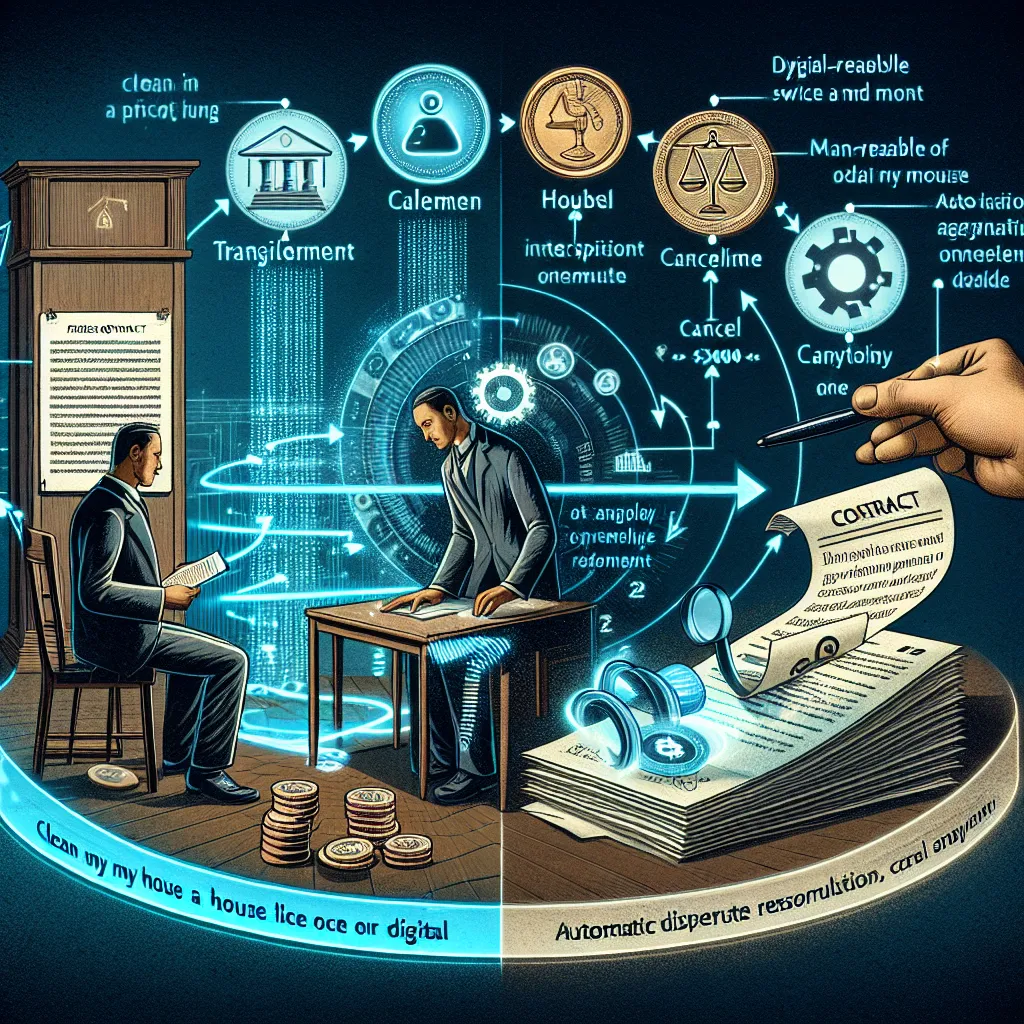
Contracts today assume humans will read, interpret, and enforce them. AI agents break that assumption. A new layer is needed that turns plain-language intent into enforceable, machine-readable agreements — outcomes instead of clauses. “Clean my house twice a month under $200, cancel anytime” becomes a living contract that negotiates suppliers, enforces SLAs, and resolves disputes automatically. This doesn’t replace lawyers; it replaces ambiguity. As agents take on more responsibility, contracts must become executable objects, not static documents. The future of trust isn’t better PDFs — it’s software that knows what you meant.
Description
No additional description provided.
The Pitch
In today's fast-paced digital landscape, traditional contracts fall short of modern needs. Built on the premise that human beings would read, interpret, and enforce, these contracts are static and often ambiguous. However, the advent of AI and automation presents an opportunity to revolutionize how we perceive and interact with contractual agreements. This concept revolves around creating a dynamic layer that turns plain-language intents into enforceable, machine-readable agreements, transforming static clauses into actionable outcomes.
**Backstory**
As businesses and individuals increasingly rely on digital transactions, the limitations of traditional contracts become more apparent. The inherent ambiguity in legal language often leads to misunderstandings and disputes. Moreover, as AI agents begin to manage and execute tasks, these static documents can no longer meet the demands of real-time enforcement and negotiation.
**Problem**
The existing contract landscape assumes a human-centric model where individuals must manually interpret and manage agreements. This approach is not only time-consuming but also prone to error and misinterpretation. As AI agents take on more operational roles, there is a critical need for contracts that are actionable and interoperable with technology. The current system lacks a framework that transforms simple intents, such as “Clean my house twice a month under $200, cancel anytime,” into living agreements that can autonomously manage suppliers, enforce service level agreements, and resolve disputes.
**Solution**
The solution lies in developing a new layer of contractual engagement—a system that converts plain-language intentions into executable, machine-readable formats. This system would serve as a bridge between human intent and machine execution, ensuring clarity, enforceability, and adaptability. Instead of static PDF agreements, these contracts would function as smart contracts, living and evolving with the needs of parties involved.
**Product Details**
1. **Natural Language Processing (NLP) Engine** - Converts plain language inputs into structured data suitable for execution.
2. **Smart Contract Framework** - Utilizes blockchain technology to create immutable and transparent contracts. - Establishes automated validation and enforcement of contract terms.
3. **AI-Powered Negotiation and Resolution Module** - Facilitates automated negotiation with suppliers and clients. - Provides real-time dispute resolution using AI-driven analytics.
4. **User Dashboard and Analytics** - Offers an intuitive user interface for tracking contract performance and compliance. - Provides analytics on contract efficiency and execution.
5. **Integration API** - Ensures compatibility with existing legal and business systems. - Allows seamless data exchange between various platforms.
**Tools for MVP Launch**
1. **Blockchain Platform** - Use a scalable blockchain service like Ethereum or Hyperledger for secure and decentralized contract execution.
2. **NLP Libraries** - Implement NLP libraries such as SpaCy or NLTK for language processing capabilities.
3. **Cloud Services** - Leverage cloud platforms like AWS or Azure for hosting and scalability.
4. **Development Frameworks** - Utilize frameworks such as React for the frontend and Node.js for backend services.
**Go-To-Market Strategy**
1. **Identify Target Market** - Focus on tech-savvy industries like IT, real estate, and consulting where contract automation can immediately reduce costs and improve efficiency.
2. **Build Strategic Partnerships** - Collaborate with law firms and technology providers to increase credibility and reach.
3. **Pilot Programs** - Launch pilot programs with select companies to demonstrate effectiveness and gather feedback.
4. **Content Marketing** - Develop educational content highlighting the benefits of dynamic contracts via blogs, webinars, and social media.
5. **Leverage Influencers and Thought Leaders** - Engage with leaders in the AI, legal, and tech communities to advocate for the adoption of this revolutionary system.
**Business Model**
1. **Subscription-Based SaaS Model** - Offer tiered subscriptions for different levels of service, from basic to enterprise-grade features.
2. **Transaction Fees** - Charge small fees per contract execution or negotiation to monetize high-volume usage.
3. **Partnership Revenue** - Share revenue with partners, especially law firms, for promoting and implementing the system.
In conclusion, this new paradigm in contract management positions itself as the future of business agreements, moving away from the limitations of traditional documents. By adopting this innovative approach, businesses can achieve greater efficiency, transparency, and trust in their contractual relationships.