Evolving Journaling App with ChatGPT Integration
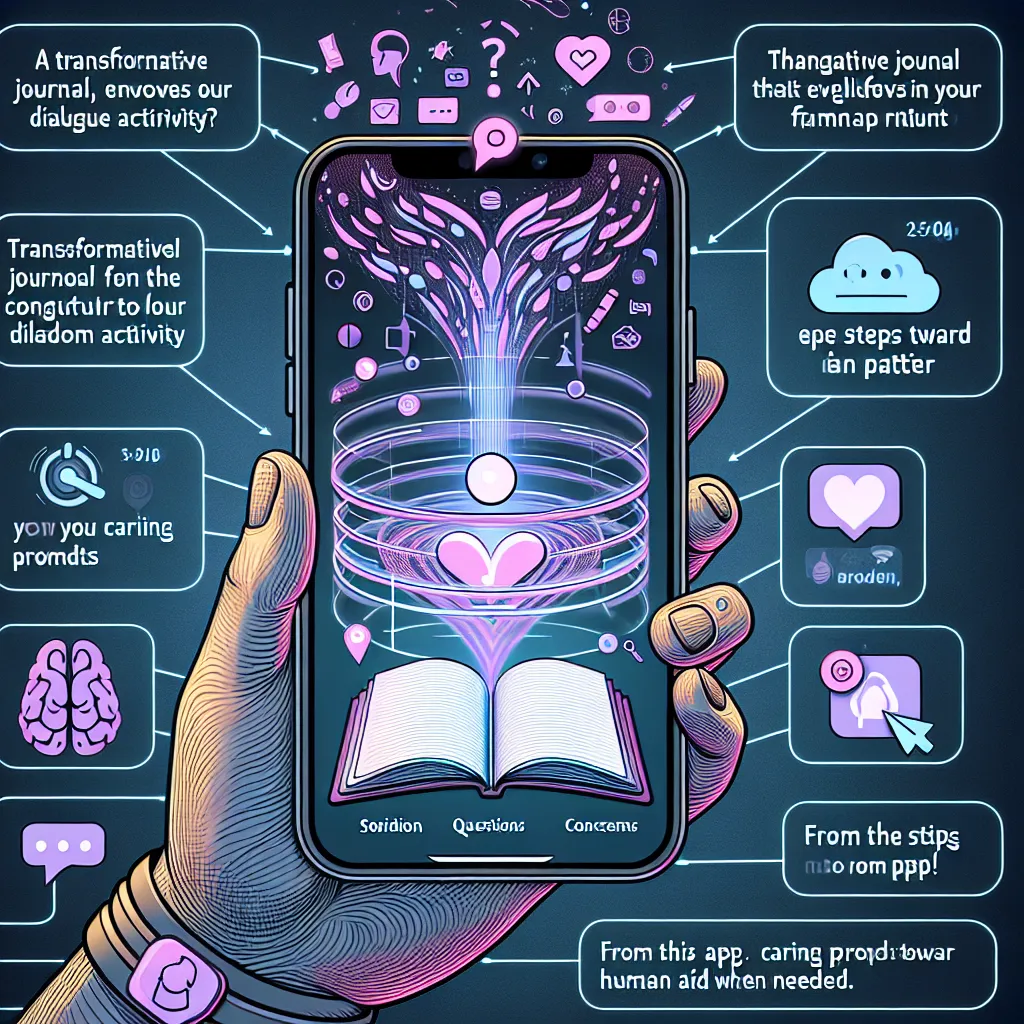
Most mental health apps treat journaling as a static input. They don’t bring in past behaviors or understand your tone deeply. This idea creates a journal that evolves by syncing with your ChatGPT activity—questions you ask, concerns you voice, even your writing style. By signing in via ChatGPT, the app gets real-time insights into your emotional tone, cognitive load, and recurring patterns. This is now possible because ChatGPT is becoming a cross-platform memory agent. For example, someone struggling with burnout might ask ChatGPT questions about career change or sleep problems. This app would identify those patterns and nudge the user toward helpful reflection prompts or even escalate to human care when needed.
Description
No additional description provided.
The Pitch
Journaling has long been recognized as an effective tool for mental health improvement, offering individuals a way to articulate thoughts and feelings in a tangible manner. Traditional journaling methods, whether paper-based or digital, allow users to document experiences and emotions but often remain static in their depth and adaptability. With the advent of advanced AI technologies, particularly large language models like ChatGPT, there is an opportunity to revolutionize the journaling process. By integrating insights from users' interactions with ChatGPT across various platforms, a more dynamic and responsive journaling system can be established.
2. **Problem:** Most existing mental health applications treat journaling as a mere repository for notes, failing to adapt to the unique behaviors or psychological cues of the user. They do not analyze past behaviors or tone intricacies which can provide crucial insights into the user's mental state. As a result, the journaling experience remains one-dimensional, lacking the personalized engagement that could significantly enhance mental well-being interventions.
3. **Solution:** The proposed solution is a dynamic journaling application that evolves with the user by integrating seamlessly with their ChatGPT interactions. This app will use data such as questions the user asks, concerns expressed, and changes in writing style to generate real-time insights into the emotional and cognitive states of the user. The app will identify recurring themes, emotional tones, and potential stressors, offering personalized reflection prompts and suggesting interventions when appropriate. For example, it could identify signs of burnout when a user frequently queries about career changes or sleep issues and offer tailored guidance or escalation to professional support if needed.
4. **Product Details:** - **Integration with ChatGPT:** Users can log in via their ChatGPT account, allowing the app to access relevant interactions and extract insights. - **Emotion and Tone Analysis:** The app will analyze the user's language and interaction patterns to detect emotional cues and cognitive load. - **Pattern Recognition:** Using AI algorithms, the app will identify patterns in user behavior and thoughts, offering suggestions or alerts accordingly. - **Customized Prompts and Suggestions:** Based on the insights gathered, the app will provide individualized journaling prompts, tips for reflection, or recommend actions. - **Escalation to Human Care:** When the app detects critical emotional distress, it can initiate alerts to mental health professionals or suggest reaching out for human intervention.
5. **Tools for MVP Launch:** - **AI and Language Processing:** Leverage existing APIs from OpenAI to access ChatGPT data. - **Emotion and Tone Analysis Tools:** Use NLP libraries for sentiment analysis, such as NLTK or spaCy, tailored for emotional detection. - **App Development Frameworks:** Consider platforms like Flutter for cross-platform mobile app development. - **Backend Infrastructure:** Opt for cloud providers like AWS or Google Cloud for scalable backend support.
6. **Go-To-Market (GTM) Strategy:** - **Target Audience Identification:** Focus on tech-savvy individuals interested in self-improvement, mental health advocates, and users already engaged with AI tools. - **Partnerships with Mental Health Organizations:** Collaborate with therapists and counselors to validate app efficacy and gain endorsements. - **Content Marketing and SEO:** Launch a blog with articles on AI in mental health, encouraging organic traffic and app visibility. - **Beta Testing and Feedback Loops:** Engage communities in tech and mental health for beta testing, using feedback to refine the product. - **PR and Media Exposure:** Use press releases and media outreach to spotlight the innovative aspects of the app setup.
7. **Business Model:** - **Freemium Model:** Offer basic features for free with premium features like advanced analysis, therapist features, or personalized coach interactions as paid subscriptions. - **Subscription Tiers:** Design tiered pricing plans catering to different user needs, from casual check-ins to comprehensive wellness tools. - **Licensing and B2B Opportunities:** Consider licensing the underlying technology to other mental health platforms or corporate wellness programs. - **Data Analytics as a Service:** Provide anonymized insights and reports to mental health professionals under strict data privacy agreements.
This dynamic journaling application not only responds to user entries but also leverages AI advancements to create a compelling, evolutional journaling experience, potentially elevating both individual mental health outcomes and overall market presence in digital health applications.