Everyday Products Enhanced with Functional Benefits
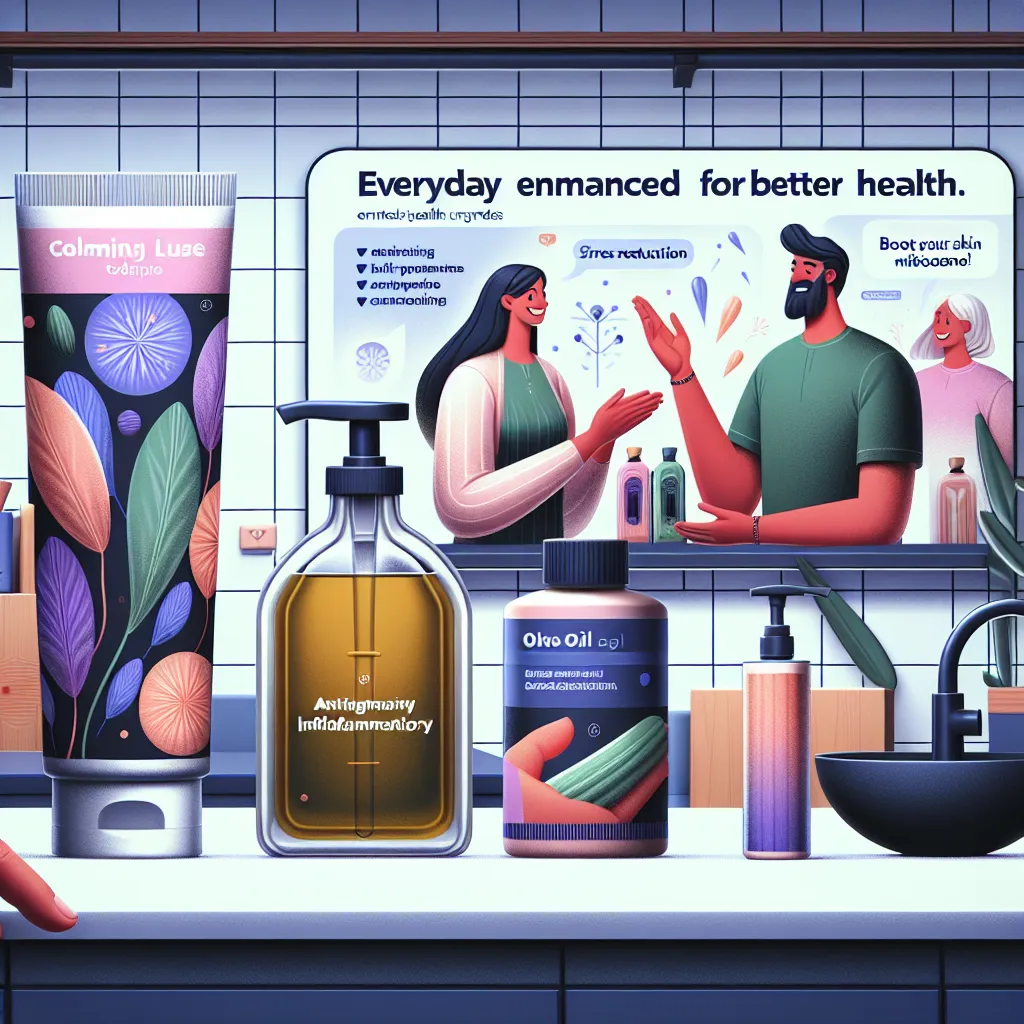
Consumers are fatigued by powders, pills, and routines that don’t stick. But they still want the benefits—focus, calm, energy, immunity. What they need is convenience without compromise. The opportunity is to embed functional ingredients—adaptogens, nootropics, prebiotics—into the everyday items people already use. Imagine a line of toothpaste that supports stress reduction, or olive oil that reduces inflammation, or hand soap that boosts skin microbiome health. These aren't add-ons; they’re upgrades to daily habits. By layering longevity into routines that already exist, it removes friction and increases adherence. In a market flooded with “better for you” snacks and drinks, the next wave will be “better for you” everything—turning passive habits into daily health interventions.
Description
No additional description provided.
The Pitch
In the wellness industry, consumers are increasingly overwhelmed by the myriad of options promising health benefits, from powders and pills to complex routines. Despite the variety, many struggle to maintain these routines due to their complexity and the effort required to integrate them into daily life. Yet, the desire for enhanced focus, calm, energy, and immunity remains strong. This signals a need for convenient solutions that seamlessly fit into existing lifestyles without compromise.
**Problem**
The current market is saturated with health supplements and wellness products that demand time, effort, and a change in routine from consumers. This often leads to low adherence and product fatigue. Consumers want the benefits of these products but in a form that does not disrupt their daily life. The challenge lies in embedding functional health benefits into routine activities, reducing the friction between wellness intentions and actions.
**Solution**
The solution is to develop a line of functional everyday products that incorporate beneficial ingredients directly into items people use daily. By incorporating adaptogens, nootropics, and prebiotics into essential items—such as toothpaste, olive oil, and hand soap—we can transform passive habits into proactive health interventions. This approach ensures that consumers receive health benefits without altering their daily routines.
**Product Details**
1. **Toothpaste for Stress Reduction**: Enriched with adaptogens like ashwagandha and Rhodiola, this toothpaste aims to promote calmness and reduce stress with every brush.
2. **Anti-Inflammatory Olive Oil**: Infused with curcumin and omega-3 fatty acids, this olive oil supports inflammation reduction and enhances joint health.
3. **Microbiome-Boosting Hand Soap**: Contains prebiotics and probiotics to enhance skin microbiome health, providing protection and nourishment with every wash.
**Tools for MVP Launch**
1. **Formulation and Testing**: Use platforms like NutraScience Labs for product formulation, ensuring that all functional ingredients are effectively incorporated and tested for efficacy.
2. **Design and Branding**: Partner with designers via 99designs to create a compelling brand presence that communicates the benefits and functionality of the products.
3. **E-commerce Setup**: Launch an online store using Shopify to reach a wide audience with minimal upfront cost, employing plugins that streamline inventory and customer management.
4. **Digital Marketing Tools**: Leverage social media platforms and tools like Hootsuite for targeted advertising campaigns, emphasizing the everyday convenience of the product line.
**Go-To-Market (GTM) Strategy**
1. **Targeted Launch**: Start with a soft launch in wellness communities and gather feedback to refine the product offerings.
2. **Partnerships and Influencers**: Collaborate with fitness and wellness influencers to build credibility and reach.
3. **Educational Content**: Create content such as blog posts and videos that illustrate how these products seamlessly integrate into daily life, emphasizing the convenience and effectiveness.
4. **Sampling Campaigns**: Offer free samples through online subscription boxes or at wellness events to solicit public feedback and build brand awareness.
**Business Model**
1. **Direct-to-Consumer (DTC)**: Primarily operate online to maintain control over customer interactions and data. Implement a subscription model to improve retention by ensuring customers consistently receive their preferred products.
2. **Retail Partnerships**: Once brand credibility is established, partner with health-focused retail chains and specialty stores for wider distribution.
3. **Cross-Selling Opportunities**: Develop bundled packages that encourage the purchase of multiple product categories, enhancing the overall consumer experience.
By embedding beneficial ingredients into everyday products, the business addresses a significant consumer need for convenience in wellness routines. Building a brand centered around these enhanced daily items not only positions it as an innovator in the market but also opens up opportunities in the expanding field of functional consumer products.