Everyday Negotiation Skills: Gamified Learning Platform
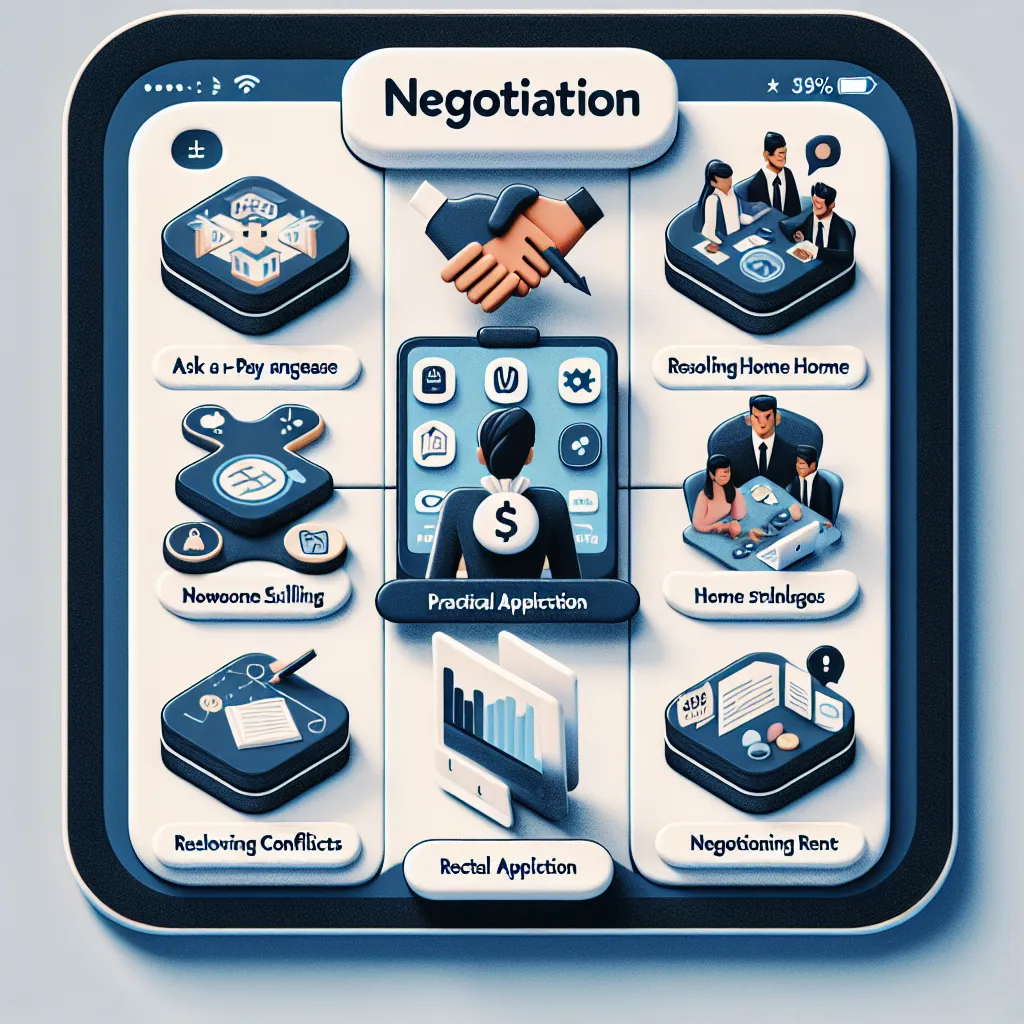
Most people negotiate daily—whether with coworkers, customers, partners, or kids—yet few have formal training. Existing courses often target executives or sales pros, ignoring the broader population who need these skills in real life. A platform should exist that teaches negotiation the way Duolingo teaches language—through micro-lessons, real-world prompts, and gamified challenges. It would focus on practical applications, like asking for a raise, resolving conflicts at home, or negotiating rent. This doesn't just make people better negotiators; it makes them better communicators. Right now, there's nowhere that regular people can go to truly learn the art of negotiation without enrolling in a business course or watching hours of YouTube. That gap needs to close.
Description
No additional description provided.
The Pitch
In everyday life, negotiation is an essential skill that influences our interactions with everyone around us. Whether it's discussing a project deadline with a colleague, haggling prices with a vendor, or convincing your child to do their chores, negotiation touches all aspects of our lives. Despite its importance, many individuals lack formal training in negotiation, leaving a significant portion of the population ill-equipped to handle such interactions effectively.
Typically, negotiation courses are tailored for executives or sales professionals, thereby excluding a wider audience who encounter negotiation in multiple contexts. This gap creates a demand for a platform that democratizes negotiation training, similar to how language-learning apps make language acquisition accessible and engaging for all.
Imagine a platform that teaches negotiation through brief, engaging lessons that fit conveniently into a busy schedule. This learning tool could employ real-world scenarios and gamified challenges to transform negotiation into a skill that feels natural and intuitive. Users might practice asking for a raise, resolving domestic disagreements, or navigating rental negotiations. By focusing on practical, day-to-day negotiations, the platform would not only help individuals become better negotiators but also enhance their overall communication skills.
The current lack of easily accessible and practical negotiation education is a problem begging for a solution. Filling this gap requires a fresh approach—one that blends educational psychology with game design to ensure both comprehension and retention.
For those interested in building this innovative platform, there are several steps to consider. Begin by identifying the core skills most relevant to everyday negotiations. Next, design a user-friendly interface that offers short, interactive lessons and instills a sense of achievement through badges or points.
To ease the path to launching a minimum viable product, leverage tools like no-code platforms for app development, which can significantly reduce the time and resources required. Platforms such as Adalo or Glide can facilitate the creation of a prototype that can be tested and refined based on user feedback.
The go-to-market strategy should focus on targeting communities that would benefit most from improved negotiation skills, such as young professionals, parents, freelancers, and students. Build partnerships with educational institutions and professional organizations to offer the product as part of their learning ecosystem.
Adopt a freemium business model to capture a wide audience by providing basic content for free while offering premium features for a subscription fee. This might include personalized coaching sessions, advanced modules, or certification programs.
In summary, the need to make negotiation skills accessible and engaging to all is crucial. By drawing on educational technology and innovative teaching methods, we can empower individuals to navigate their daily negotiations with confidence and skill.