Evaporative Cooling Fabrics for Extreme Heat
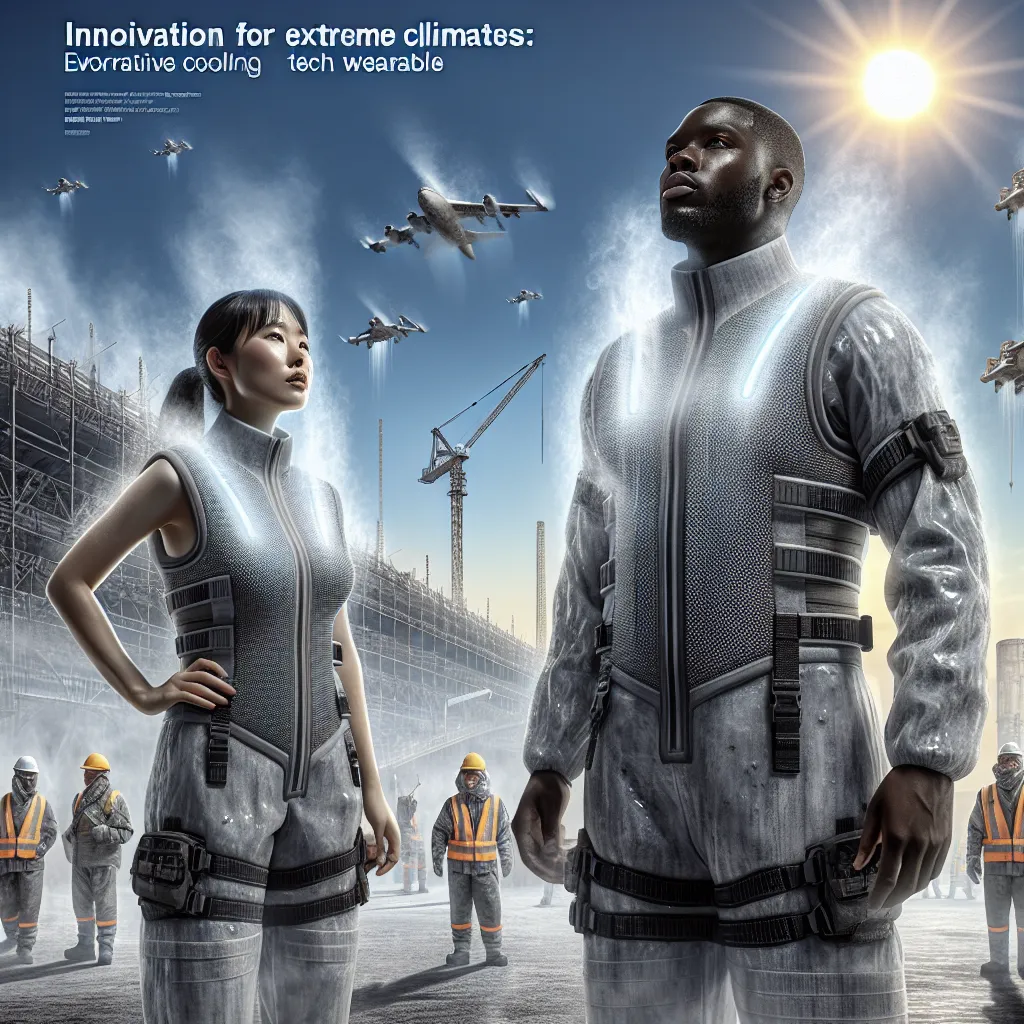
Current wearable cooling products—like moisture-wicking shirts or ventilated gear—offer limited relief in extreme climates, especially for outdoor workers or soldiers. This startup would create evaporative cooling fabrics using a cement-polymer blend that mimics the “sweating paint” technology, releasing moisture in a controlled fashion to cool the body. By combining radiative materials and moisture reservoirs, the fabric would actively reduce surface temperature without power or fans. While textile-based cooling tech has seen progress in labs, it hasn’t been commercialized at scale. Now, with climate-related heat deaths rising and wearable tech going mainstream, the timing is right. A construction company in Dubai, for instance, could outfit workers with vests that passively drop skin temperature by 5–10°F, improving safety and endurance. No apparel brand currently offers passive, evaporative cooling with this science—making this both urgent and white space.
Description
No additional description provided.
The Pitch
As global temperatures rise, individuals exposed to extreme heat, such as outdoor workers and military personnel, face increased health risks. Current solutions, like moisture-wicking clothing, provide limited respite in harsh conditions. However, advances in material science offer a new opportunity to create more effective cooling solutions. By leveraging innovative technologies, there's potential to design fabrics that can actively reduce body temperature in a sustainable and energy-efficient manner, addressing a growing need in the market.
The Problem
People working in high-temperature environments are susceptible to heat-related illnesses, which can severely compromise safety and productivity. Traditional cooling methods, including air conditioning and fans, are not always practical or accessible in outdoor situations. Moreover, existing wearable cooling products only provide mild relief, failing to adequately address extreme heat scenarios. This gap highlights the urgent need for a portable, efficient, and scalable solution.
The Solution
This venture proposes the development of evaporative cooling fabrics by utilizing a cement-polymer blend inspired by sweating paint technology. By combining radiative materials with moisture reservoirs, these fabrics would be capable of passively and actively regulating surface temperatures. Unlike current textile-based cooling applications, this concept would prioritize accessibility and scalability, ensuring a wide array of potential users benefit from the technology.
Product Details
1. Fabric Composition: The fabric will integrate a cement-polymer mixture, allowing it to mimic natural sweating processes that release moisture judiciously to cool the wearer.
2. Temperature Reduction: Designed to decrease skin temperature by 5–10°F, the cooling fabric targets thermoregulation without reliance on external power sources.
3. Applications: The primary user base will include construction companies, military operations, and outdoor event coordinators. Each version of the product can be customized according to specific use-case requirements.
Tools for MVP Launch
1. Material Research and Development: Partner with material science laboratories to refine the cement-polymer blend and test durability and effectiveness.
2. Prototyping: Utilize 3D knitting technology to design flexible and functional fabric models.
3. User Testing: Conduct field trials with construction workers and soldiers to gather feedback and refine product features based on real-world use.
GTM Strategy
1. Targeted Partnerships: Collaborate with construction firms, military suppliers, and first responder organizations to secure contracts and initial large orders.
2. Direct B2B Sales: Focus on business customers who can integrate the cooling fabrics into uniforms or apparel collections.
3. Awareness Campaigns: Leverage digital marketing and participate in industry trade shows to expose the technology to a broader audience and attract investment.
4. Pilot Programs: Launch pilot programs in high-temperature regions to demonstrate efficacy and gather user testimonials for further promotion.
Business Model
1. Sales Revenue: Primary revenue stream through direct sales to businesses and institutions. Volume-based pricing strategies can be used to attract larger contracts.
2. Licensing: Explore licensing agreements with apparel brands to widen market reach and provide an additional revenue stream.
3. Custom Solutions: Offer customization services for clients needing specific applications, unlocking a premium pricing tier.
In conclusion, the convergence of cutting-edge material innovations with a clear market need presents a compelling business opportunity. By carefully executing the go-to-market strategy and establishing strategic partnerships, this venture could effectively introduce a novel product that enhances safety and comfort in extreme temperature environments.