EV Fleets as Mobile Energy Infrastructure
Electric vehicles contain massive battery capacity that sits idle most of the time. Mobile EV grid services coordinate fleets to provide peak shaving, frequency regulation, and energy arbitrage across time and location. This only works once EV adoption reaches critical mass and vehicles support bidirectional charging. A delivery fleet could earn revenue overnight by stabilizing the grid, then operate normally during the day, turning transportation assets into energy infrastructure.
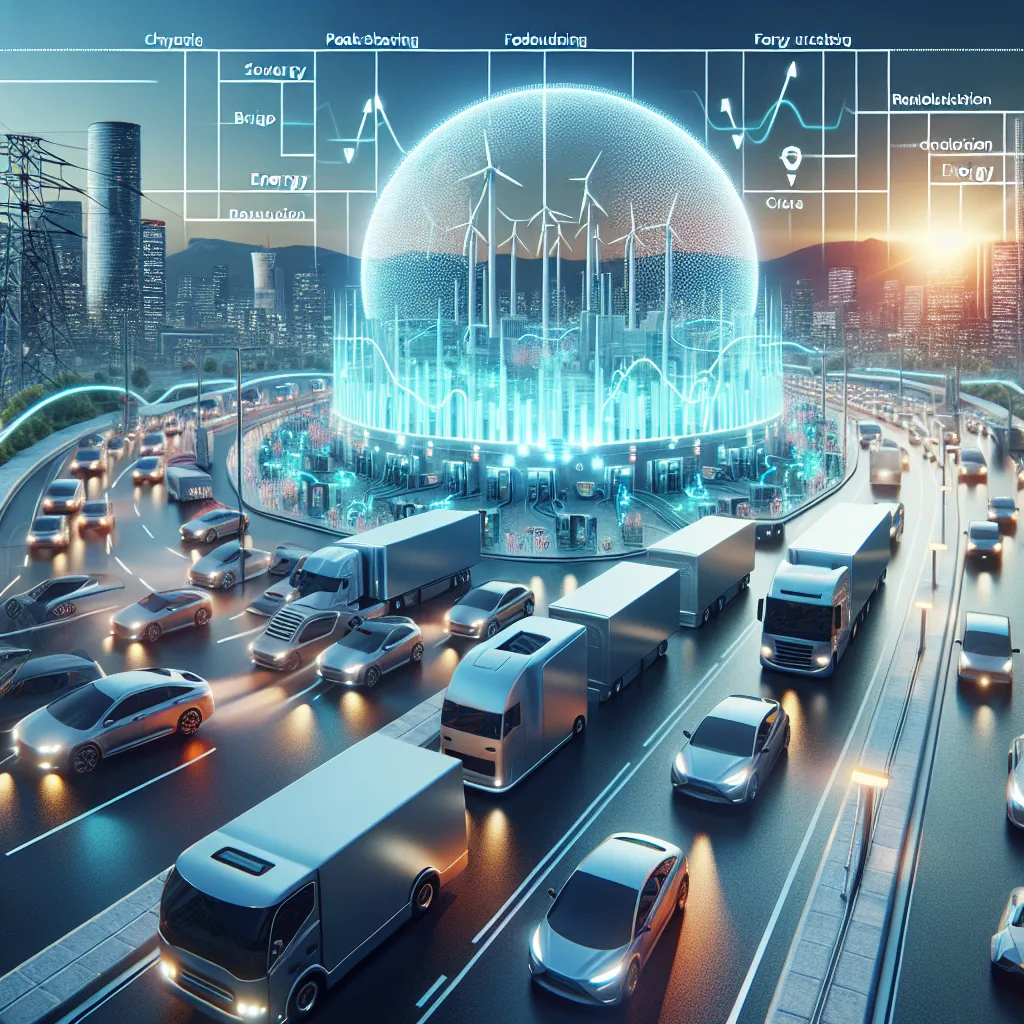
Description
No additional description provided.
The Pitch
The rapid adoption of electric vehicles (EVs) has introduced new opportunities to optimize energy consumption and create new revenue streams. As EVs become more prevalent, their immense battery capacity, often underutilized, presents a unique opportunity for energy management. This document outlines a vision for transforming vehicle fleets into dynamic energy assets that can provide essential grid services, thereby turning transportation resources into dual-purpose investments.
Backstory: The energy sector is experiencing a significant shift towards renewability and sustainability. Simultaneously, the number of electric vehicles on the road is steadily increasing. Despite these vehicles' potential, the vast battery reserves in EVs often remain idle, representing untapped potential. Once a critical mass of electric vehicles is reached and bidirectional charging becomes widely available, fleets can play a pivotal role in energy distribution and grid stability.
Problem: Currently, electric vehicles largely remain consumers of energy, charging during off-peak hours but not contributing back to the grid. Energy providers face challenges such as peak demand, frequency regulation, and energy arbitrage. The problem lies in efficiently integrating EVs as active components in grid management, a concept that is not yet fully realized or optimized.
Solution: Mobile EV grid services present a solution by leveraging EV fleets to support energy demands. By coordinating EV fleets, we can provide essential grid services such as peak shaving, where energy is stored during low-demand periods and released during high-demand times. Fleet vehicles can also participate in frequency regulation by dynamically absorbing or supplying energy to maintain grid stability. In essence, these services can turn a fleet of EVs into a decentralized and agile energy resource.
Product Details: The proposed solution involves developing a platform that integrates with fleet management systems and energy providers to facilitate bidirectional charging and energy arbitrage. Key features include: - Real-time monitoring and control of battery charge and discharge cycles. - Predictive analytics for better energy management and optimization. - Integration with grid systems for automated demand response. - Compliance with regulatory requirements for grid services.
Tools for MVP: To launch a minimum viable product (MVP), consider utilizing the following tools: - IoT and telematics for monitoring vehicle and energy usage. - Cloud platforms for data processing and analytics. - APIs for integration with existing fleet and energy management systems. - Machine learning algorithms for predictive modeling of energy supply and demand.
Go-to-Market Strategy (GTM): - Start with pilot programs in collaboration with fleet management companies and energy providers. - Target municipalities and large enterprises with existing EV fleets. - Foster partnerships with EV manufacturers to enable built-in bidirectional charging capabilities. - Educate stakeholders on the financial and environmental benefits of grid services.
Business Model: The business model centers on creating value through energy savings and revenue generation from grid services. Fleet operators can enroll in service agreements, earning income by participating in energy trading and grid stabilization, while reducing their overall energy costs. A subscription model for the platform, along with performance-based incentives, will ensure sustainable revenue.
Conclusion: The convergence of electric mobility and energy management offers an exciting opportunity. By transforming vehicle fleets into energy assets, this initiative not only promises enhanced grid resilience but also provides a lucrative business avenue for fleet operators. Through strategic collaboration and innovative technology, we can unlock the untapped potential of electric vehicle fleets in the energy landscape.